Potranco Dental office

Categories
Dental care

Dental Anxiety: How to Overcome Your Fear of the Dentist

It Doesn’t Always Feel Like “Fear” at First

Most people don’t call it fear. It’s quieter than that. You delay an appointment without making a big decision about it. It just doesn’t happen this week, then not the next either. Something else takes priority, and it keeps getting moved. Even after you book it, there’s this small tension in the background that doesn’t really go away.

That’s usually where dental anxiety tips start to matter. Not because of panic, but because of that steady discomfort. The kind that makes something simple feel heavier than it should.

Why Dental Visits Feel Harder Than They Should

It can feel like it’s just your experience. But it’s not. This has been looked at quite a bit. Some research, including work published in the Journal of Dental Research, suggests that around 30–40% of adults experience some level of dental anxiety. Around 10–15% deal with it more intensely.

You wouldn’t really guess that by looking around. People don’t show it. But in a waiting room, a fair number are probably feeling at least a bit uneasy. It just stays unspoken.

Where This Anxiety Usually Comes From

It usually isn’t random. For many, it starts with a single experience. Something that didn’t feel right when it happened. Maybe it was painful. Or just something you weren’t used to. Even years later, it stays somewhere in the background. For others, it’s not about the past as much as what they expect might happen.

The sound of the drill. That pause before something starts. The feeling of not being in control. Not knowing what’s coming next. Even the smell of a clinic can bring it back without much warning.

That’s usually where the fear of the dentist builds from. Not always from pain itself, but from what you expect might happen.

Avoiding the Dentist Feels Easier (At First)

Skipping an appointment can feel like a break. You avoid the stress, so it feels like the right call at that moment. But the actual issue doesn’t go anywhere. It just stays there in the background. Then over time, it builds quietly. You don’t always notice it happening until it feels a bit bigger than expected.

And when you finally go back, it feels like more than it should have been. That’s where dental anxiety tips come in, because it’s not about discipline. It’s just a pattern that repeats unless something changes.

How to Overcome Dental Phobia Without Forcing Yourself

Trying to “just deal with it” sounds like it should work, but most of the time it doesn’t. It just adds more pressure. And that usually makes things feel worse, not better.

So when you think about how to overcome dental phobia, it often starts with something smaller than people expect. Not treatment right away. Just a visit. Sit down, talk to the dentist, ask what you need to ask, and leave if that’s all you want to do.

That first step does more than it seems. It makes the setting familiar. And once something feels familiar, it’s a little less unpredictable. That’s usually where the shift begins.

Communication Changes More Than You’d Expect

This is one of the simplest things, and also one of the most ignored. A lot of people don’t tell their dentist they’re anxious. They just sit through it and hope it ends quickly. But once you say it out loud, the whole approach can change. Dentists can slow down. Explain what they’re doing. Check in more often.

Studies by PMC show that lack of control is one of the main drivers of dental anxiety, so restoring even a small amount of it helps.  It doesn’t remove the anxiety completely. But it lowers it enough to make the experience manageable.

What Actually Helps in the Moment

Once you’re in the chair, the goal isn’t to eliminate anxiety. It’s to reduce it. Simple approaches usually work better than complicated ones. Slow breathing settles your body, and music helps shift your focus elsewhere. Some people prefer closing their eyes so they’re not anticipating every movement.

There’s also something surprisingly helpful about having a signal. Agreeing with your dentist that you can raise your hand if you need a pause gives you a sense of control. And that alone can make a noticeable difference. These are small things. But they work in real time.

Dental Anxiety Treatment Isn’t Always What You Expect

The word “treatment” can make it sound more serious than it needs to be. In reality, dental anxiety treatment often begins with small, practical steps rather than anything clinical. Gradual exposure is one of them. So is learning simple ways to relax and being able to communicate openly during a visit.

When the anxiety feels stronger, CBT is something people often turn to. It’s not immediate, but in the long run, it can change how those moments feel. There’s research on this too. Studies listed on PubMed suggest CBT can reduce dental phobia by changing how people react to certain triggers, making them feel more manageable.

There are also clinical options when needed. Sedation methods – mainly nitrous oxide – can help take the edge off. You stay aware, but the whole experience feels easier to handle. So it’s not one single solution, it’s a mix that builds gradually over time.

Why Control Matters More Than Anything Else

If you really think about it, it’s often about control. Or the sense that you don’t quite have it in that moment. You’re in the chair, and you’re not fully sure what comes next. That uncertainty stays in the background.

That’s why small adjustments help more than expected. Talking through things. Taking a pause. Even simple dental anxiety tips, like a hand signal. It’s not about solving all of it. Just making it feel a little easier.

Tips for Anxious Dental Patients That Actually Help

Not everything works for everyone, but some things tend to help consistently:

  • Book appointments earlier in the day so you don’t spend hours anticipating them
  • Let the dental team know you’re anxious before anything starts
  • Use headphones. Play music to stay distracted
  • Agree on a break signal so you feel more in control
  • Focus on one visit at a time instead of thinking ahead

These tips for anxious dental patients aren’t complicated. But they’re practical.

A Few Numbers That Put This Into Perspective

  • Around 30–40% of adults experience dental anxiety
  • About 10–15% have dental phobia
  • Behavioral approaches like CBT have been shown to significantly reduce anxiety levels

These numbers don’t make the feeling disappear. But they do remind you that it’s not unusual.

FAQs

  1. What actually helps when dental visits feel stressful?
    Start simple. Just let the dentist know how you’re feeling. Even slowing things down helps.
  2. Why do people feel anxious about going for the visit?
    It’s often from past experiences. Or just not knowing what’s going to happen.
  3. How do you make it easier over time?
    You don’t fix it all at once. You just go step by step. Each visit feels a bit easier.
  4. What kind of support is usually offered?
    It depends. Some people just need a calmer approach. Others might need more help to relax.

Conclusion

It doesn’t go away overnight. Dental anxiety is a real issue that a lot of people face. Some days feel easier, others don’t. That fear of the dentist can still be there, just not as strong as before.

If you’ve been putting things off, don’t try to think through the entire process. That’s where it gets overwhelming. Keep it very simple and start with one thing. Maybe go through a few dental anxiety tips. And prefer a clinic that is nearby.

You don’t have to fix everything today. Just move a step forward. Book a consultation, or even plan when you might. That first move matters. It’s small, but it changes more than you expect.

Categories
Dental care

The Link Between Oral Health and Heart Disease: What Research Says

Most people separate things in their heads. Teeth are one category. Heart health is another. One feels small and local. The other feels like a bigger issue altogether. So you don’t really think of them together unless someone brings it up. And even then, it sounds a bit stretched at first.

But the link between oral health and heart disease has been studied for years now, and while it’s not as simple as “one causes the other,” the relationship is strong enough that researchers keep coming back to it. Not because it’s obvious. Because it keeps showing up in data.

Where This Connection Actually Begins

It doesn’t begin in the heart. It usually begins much earlier, in the gums. When this topic comes up, it’s often in the context of periodontitis and cardiovascular disease, not just mild gum irritation. Periodontitis is a progressive condition. The gums start to get irritated first. Then slowly, the support around the teeth isn’t as strong as it used to be. It doesn’t stay limited to one spot after that.

That’s the part that matters. Chronic inflammation doesn’t stay contained in one place. It can enter the bloodstream in small, repeated ways. After that point, it’s not just limited to the mouth. The body responds more broadly, which is why it’s studied beyond just what’s happening in the gums. The concern isn’t a single episode. It’s the long-term presence of inflammation, and how consistently it shows up.

Gum Disease and Heart Disease: What Researchers Have Found

You’ll see the phrase “gum disease and heart disease” come up quite a bit. It sounds straightforward, but it’s not meant to say one directly leads to the other. It’s more about something researchers have kept noticing over time.

People with gum disease seem to show up more often in groups that also have heart-related issues. That’s been seen in different studies, not just one. Even large reviews, including ones discussed by the American Heart Association, have pointed out this link, especially with conditions like atherosclerosis.

It doesn’t prove cause. But when the same pattern keeps appearing in different places, it stops being something you ignore. It becomes something you keep looking at more closely.

How Oral Health Affects the Heart (The Mechanism Isn’t Straightforward)

This is where it gets a bit less straightforward. There isn’t just one explanation for how oral health affects heart function. It’s usually described as a mix of things rather than a single cause.

One idea has to do with bacteria. The mouth naturally carries a lot of it, and most of the time that’s not an issue. But when the gums are inflamed or start bleeding, it creates a way for some of that bacteria to move beyond the mouth. It doesn’t happen in a dramatic way.

More like a small, repeated entry into the bloodstream over time. And once it’s there, it may play a role in how blood vessels respond, especially in terms of inflammation.

Then there’s the inflammation itself. When it becomes ongoing in the gums, it doesn’t always stay limited to that area. The body tends to respond as a whole. That broader response is what researchers pay attention to.

So it’s not a direct link. More of a chain of small things adding up.

The Mouth and Heart Connection Feels Subtle, But It Adds Up
Individually, the effects might seem small. A bit of inflammation. A bit of bacterial presence in the bloodstream. But over time, they can build into something larger, like plaque developing in the arteries.
That’s where the idea of the mouth and heart connection becomes more meaningful. It’s not about one moment. It’s about accumulation.

Periodontitis and Cardiovascular Disease – A Closer Look

As gum disease progresses into periodontitis, it starts to show up differently in research. Not louder, exactly. Just more consistently.

People with periodontitis tend to appear more often in data involving heart conditions. That’s been seen in multiple studies. Alongside that, there’s another detail researchers keep pointing out. The same inflammatory signals found in gum disease cases are sometimes present in people dealing with cardiovascular issues, too. Not perfectly matched, but close enough to raise questions.

It still doesn’t prove one causes the other. That part remains unclear. But when the same link keeps appearing, it doesn’t get dismissed either. It becomes something both sides, dental and medical, keep coming back to and examining further.

What Large-Scale Studies Say

This isn’t something based on a few small studies. It’s been looked at again and again, in different ways, with different groups. The findings differ a bit. But the overall direction is similar
The CDC has pointed out a link between gum disease and conditions like heart disease and stroke. They don’t frame it as a clear cause.

More like something that shows up often enough to take seriously, while still leaving room for more research.

So the takeaway isn’t certainty. It’s the fact that the same link keeps appearing. Different places, different data, but a pattern that doesn’t really go away.

Why This Doesn’t Mean One Directly Causes the Other

This is where it’s easy to jump to conclusions. The idea of oral health and heart disease being linked can sound more direct than it actually is. It doesn’t mean one automatically leads to the other.

You can have gum disease and never develop heart issues. You can have heart disease without it starting in the mouth. That’s the part that often gets missed. The connection exists, but it’s not that simple.

A lot of it comes down to shared risk factors. Smoking, what you eat, and the habits you carry every day. The kind of things that affect the body over time. They don’t act on just one condition. They show up in both.

So the link is real. Just not straightforward.

What This Means in Real Life (Not Just Research)

Even without a direct cause, the connection still matters. It shifts the way oral health is seen. Not just cavities or gum issues. It becomes part of something bigger, your overall health. Taking care of your gums doesn’t just protect your teeth. It may also reduce factors that contribute to other conditions.

What You Can Actually Do

This doesn’t require anything extreme. Basic habits matter more than anything else. Brushing regularly. Cleaning between your teeth. Paying attention to signs like bleeding gums instead of dismissing them. Getting routine dental checkups so early changes don’t go unnoticed. These are simple things. But they prevent bigger issues from developing.

A Few Things That Put This Into Perspective

Periodontal disease affects a significant portion of adults worldwide
Individuals with gum disease may have a higher likelihood of cardiovascular conditions
Inflammation is a shared factor in both oral and heart health issues
These numbers don’t prove direct causation. But they do point to something worth paying attention to.

FAQs

Why is oral health linked to heart issues?

Mostly because of inflammation. It doesn’t always stay limited to the gums.

Does gum disease cause heart problems?

Not directly proven. But it shows up more often alongside heart issues.

How can the mouth affect the heart?

Through inflammation. Sometimes bacteria can enter the bloodstream, too.

What is the mouth–heart connection?

It’s about how issues in the mouth can reflect elsewhere in the body.

Conclusion

You don’t really notice the connection between oral health and heart disease while going about your day. It’s not obvious. It doesn’t feel urgent, so it gets left alone. Then you hear about the mouth and heart connection again somewhere, and it just stays in your head a bit longer.

You don’t need to switch everything up overnight. Just start small. Notice your gums. Notice if something feels different. And if it does, don’t leave it sitting there. Book a checkup. Even just asking about it helps. It doesn’t seem like much. But it really does matter.

Categories
Dental care

Comparing Dental Crown Types: Which Material Works Best?

Most people don’t walk into a dental visit thinking about crown materials. They’re usually there because something already happened. A tooth cracked, maybe a filling failed, or a root canal left the tooth weaker than before. The first part is simple — you’re told you’ll need a crown. That part is easy enough to follow. What comes next can feel a little unclear.

Because now there isn’t just one crown. There are different types of dental crowns. Different materials, same general purpose, but not exactly the same in how they work. At first, nothing really stands out. You notice the difference later, in how it looks and how it feels when you bite. Even in how long it holds up.
So the choice isn’t just about getting a crown, but picking one that works for you.

Why Crown Materials Even Matter In The First Place

It can seem like a crown is just a cap over a tooth, so the material wouldn’t matter much. But the mouth isn’t uniform. Front teeth deal with visibility. Back teeth deal with pressure. And sometimes those two needs don’t overlap neatly. That’s why there are different types of dental crown materials instead of one universal option.

Dentists usually think in terms of balance. Strength on one side, appearance on the other, and then somewhere in between is what actually works. The American Dental Association describes crowns as restorations that bring back shape, size, and function while also improving appearance. That last part—appearance—matters more in some places than others, and that’s where material starts to matter.

Metal Crowns And Why They’re Still Around

Metal crowns don’t get talked about as much anymore, mostly because they don’t look natural. But they haven’t disappeared. There’s a reason for that.

They’re quite durable. Not easy to chip, and they don’t wear down fast either. They handle chewing pressure well, so they’re often used for molars. Those teeth sit further back, so they’re not really visible when you smile, and appearance matters less there. Because of that, strength tends to matter more in this area than how natural the crown looks.

Not everyone goes for it. Some people just don’t like the idea of a crown that doesn’t match their natural teeth. Even if it’s in the back. So, metal crowns are one of the older types of dental crowns. But they’re still used pretty regularly.

Porcelain Crowns And The Push For A Natural Look

Porcelain crowns sit on the other end. They’re mainly used when you want something that blends in. The color can be matched closely to your natural teeth, and the way they reflect light is quite similar too. That’s part of why they’re often used for front teeth, where even small differences tend to stand out.

But here’s where it gets slightly uneven. They look better, but they don’t always handle pressure the same way metal does. That doesn’t mean they fail easily. Just that they’re not always the first choice for back teeth, where chewing force stays constant.

When you compare types of dental crowns, porcelain leans more toward appearance. It’s not really about strength first, even though it still holds up well in the right situation.

Porcelain-Fused-To-Metal And The Middle Ground

This option tries to bridge the gap. You’ve got metal underneath for strength, and porcelain on top for appearance. It seems like a balanced setup. And for many people, it works that way. It’s strong enough for chewing and still looks reasonably natural.

But over time, something small can show up. A faint line near the gum. Not always, but often enough that dentists mention it beforehand. It’s not a failure, just a side effect of how the materials are layered. Even with that, this type still sits comfortably among the most commonly used types of dental crowns because it solves more than one problem at once.

Zirconia Crowns And How They’re Used More Now

Zirconia has been getting more attention lately. Not just because it’s newer. It handles pressure well, as metal does, but it doesn’t stand out as much visually. That combination makes it useful in more situations. Not just front or back, sometimes both. It’s not perfect in every case, but it does reduce the trade-offs people usually think about.

There’s research from the U.S. National Library of Medicine that points to zirconia holding up well over time, with strong resistance to fractures under pressure. That’s part of why it keeps coming up more often in conversations about different types of dental crown materials. It doesn’t replace everything else. But it does shift the conversation a bit.

Resin Crowns And Where They Fit In

Resin crowns aren’t usually chosen for something permanent. But they’re still part of the picture. They are cheaper. That’s why they’re used more in temporary situations. Or when a long-term option isn’t possible right away. Sometimes they’re used as a placeholder while a permanent crown is being made.

The trade-off is durability. They wear down faster and don’t handle pressure as well over time. So while they do fall under types of dental crowns, they’re not usually the first choice for something long-term.

What The Numbers Say About Crown Lifespan

Crowns are built to last, just not forever. It’s often somewhere around 10 to 15 years. Sometimes more. It really depends on care and habits. Things like grinding and biting hard objects can end up affecting how long they last. Even uneven bite pressure can have its effect.

Clinical data suggest success rates of around 90% or higher over a 10-year period for many crown types. That doesn’t mean they all fail after that point. It just shows longevity varies, depending on the material and how it’s used. So the choice at the start tends to carry forward.

How Dentists Narrow Down The Choice

The location of the tooth tends to narrow things down early. Then the condition of the tooth matters more—how much structure is left and how much support it needs. After that, it becomes more of a discussion.

Some people focus more on how it looks. Others just want something that lasts without thinking about it again. Most fall somewhere in between.

So even with different types of dental crown materials, it usually comes down to one or two options.

Why There Isn’t A Perfect Choice

This is the part people expect a clear answer for. Which one is best? But that answer doesn’t really exist on its own. A crown that works perfectly on a front tooth might not last as well on a molar. A material that looks ideal might not handle heavy chewing over time.
So instead of one best option, there are better fits depending on the situation. That’s usually how dentists approach it.

FAQs

1. When people say types of dental crowns, what do they mean?

Most of the time, the options mean: Metal. Porcelain. Porcelain fused to metal. Zirconia. And occasionally resin. That’s where the options usually sit.

2. Which type is stronger?

Metal and zirconia, generally. They handle chewing pressure better than others.

3. What about porcelain for front teeth?

That’s often where it’s used. It blends in better with natural teeth.

4. For how many years can they keep up?

Usually around 10–15 years. Sometimes more, if they’re well taken care of.

Conclusion

Looking at types of dental crowns can feel confusing in the beginning. There are a few options. They can seem almost the same in the beginning. It’s not always clear right away.

But it usually comes down to your tooth. Where it is, what it needs, how it’s used day to day. That’s what starts to narrow things down.
If you’ve been told you need a crown, don’t just move past it. Ask your dentist, talk it through, and make sure you know why a certain option is being suggested.

Categories
Dental care

What Is a Panoramic Dental X-Ray and Why Would Your Dentist Order One?

Dental visits tend to follow a rhythm that becomes easy to get used to. You’re in the chair, they check your teeth, and maybe clean them. Every now and then, those quick X-rays. Nothing unusual. It’s something that feels like a routine to you.

Then one visit feels slightly different. Then your dentist brings up a panoramic dental X-ray, and things feel a bit different. The setup changes. The machine is bigger, it moves around your head, and it’s not quite like the usual quick step you’re used to. That’s usually when it makes you pause a bit. Not in a worrying way, just because it’s not something you’re used to. You start thinking about why it’s needed now.

What A Panoramic Dental X-Ray Actually Shows

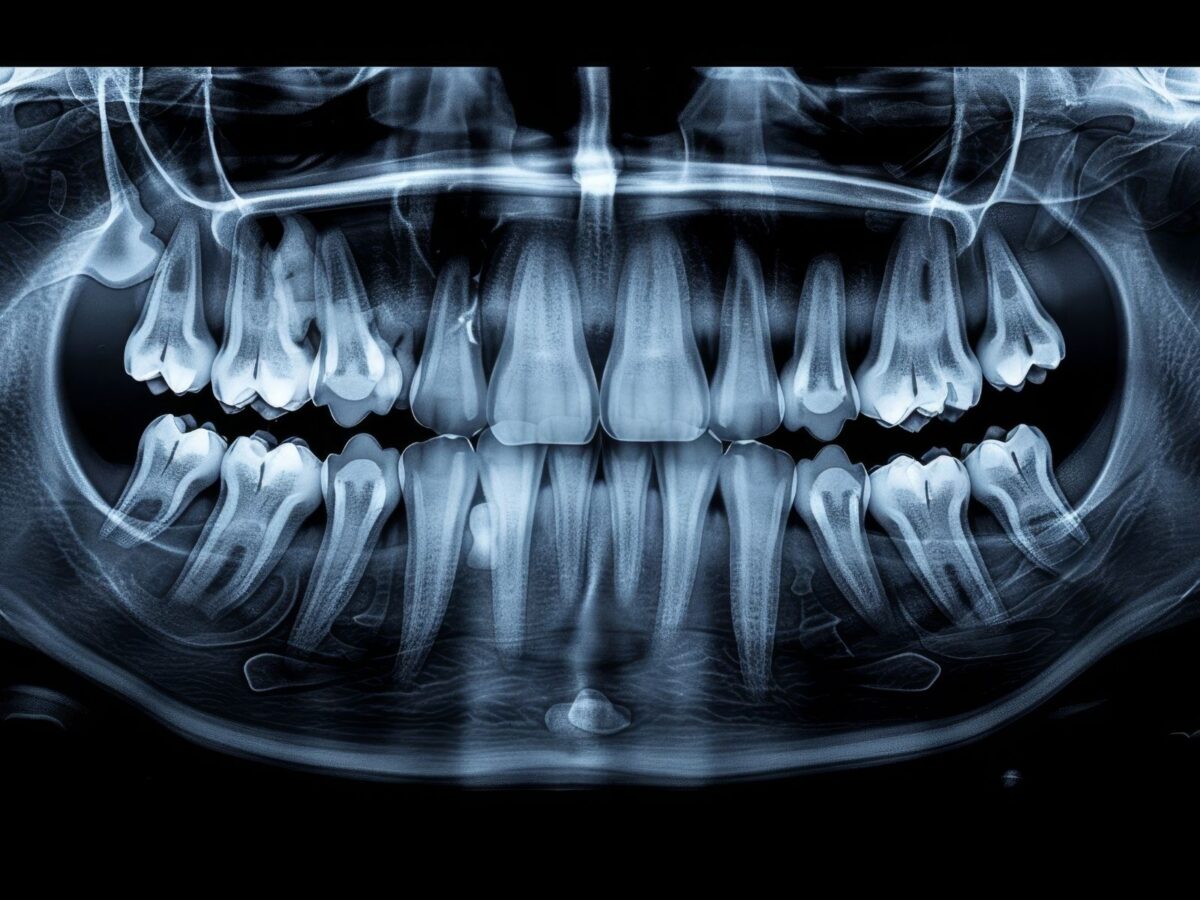
A panoramic dental X-ray isn’t really about zooming in on one small detail. It’s more about seeing everything together, all in one image. Not just a few teeth, but the full mouth. Both jaws show up, all the teeth, and even areas around them, like the sinuses and jaw joints.

That kind of wider view changes how things are looked at. A small X-ray might clearly show a cavity, but it won’t explain how your teeth sit overall or how the jaw lines up. This fills in that missing part by stepping back a little.

So it’s not really about being better or worse than regular X-rays. It’s just looking at things a bit differently.

Why Dentists Don’t Use It For Every Visit

If it shows more, it seems logical to use it all the time. But most dental visits don’t actually need that level of overview. When the concern is something small, like checking for decay between teeth, the usual X-rays are enough and actually more precise for that purpose.

A dental panoramic X-ray is usually suggested when the dentist needs a broader view. Not just a detail in one spot. It often comes up during planning, or when things don’t really point to a single tooth. The American Dental Association notes that it helps assess overall structures, including how the jaws relate and how teeth are developing.

So it comes into the picture when the situation is a bit broader.

When You’re Most Likely To Need One

There are certain situations where this type of X-ray becomes more useful. Wisdom teeth are probably the most common example, especially when they haven’t fully come in yet. Since they sit at the back and sometimes below the gum line, a wider image helps show their angle and position clearly.

It’s also used in orthodontics. If teeth are going to be moved, it’s not just about one tooth. The dentist or orthodontist needs to see how everything fits together first. That’s where a panoramic X-ray becomes part of planning rather than just diagnosis.

Sometimes it’s used before implants too, just to check bone structure and spacing. So it’s not tied to one reason. It depends on what needs to be seen at that moment.

What The Process Actually Feels Like

Even though the machine looks more complex, the experience itself is simple. You’re asked to stay still while the machine moves around your head. It goes slowly, nothing sudden. There’s no pressure or discomfort. It’s over pretty quickly, usually under a minute.

In some ways, it’s easier than the smaller X-rays because there’s no need to bite down on anything or adjust your position multiple times. You just stay still and let the machine do the work.

So while it looks different, it doesn’t feel like a bigger procedure.

What To Know About The Safety Of A Panoramic Dental X-Ray

People do think about this sometimes. It mostly happens when the machine looks bigger than expected. It’s easy to assume that means more exposure. But it doesn’t really work like that in practice.

Dental X-rays use low levels of radiation. That includes panoramic dental X-rays too. The U.S. Food and Drug Administration considers them safe when they’re used properly, with modern equipment and standard protective measures in place.

Still, they’re not something dentists use casually. They’re usually recommended when the extra information actually helps, not just for the sake of doing another scan or adding unnecessary steps during a routine visit.

What A Panoramic X-Ray Can Catch Early

This is where it becomes more valuable than it first seems. Some issues don’t show up during a regular exam because they’re happening below the surface. There can be things like impacted teeth or changes in the bone that don’t really show up as symptoms. Even cysts can go unnoticed for a while. A panoramic dental X-ray helps bring those into view.

There’s also research from the National Institute of Dental and Craniofacial Research that talks about this. Imaging can pick up things that don’t show in a regular check. So even if nothing feels off, a scan might still catch something small. That’s usually the reason for it.

Why It Can Feel Unnecessary At First

If nothing hurts, it’s easy to question why an X-ray is even being brought up. Most people connect dental problems with pain, so without that, everything seems fine. That’s how it usually seems. But it’s not always the whole picture.

Some issues stay quiet for a while. No clear signs, nothing obvious at first. And by the time anything shows up, it’s often harder to deal with. So a panoramic dental X-ray isn’t always about confirming something is wrong. Sometimes it’s just checking what can’t really be seen yet. Or catching something early before it becomes more of an issue.

How Often Do You Actually Need One

This isn’t something done regularly for everyone. Most people only have panoramic scans occasionally, depending on their dental history and what’s being checked at the time.

For some, it might be during orthodontic planning. For others, when wisdom teeth are being evaluated. Sometimes it’s done before a procedure that needs a better understanding of bone structure. So it doesn’t follow a fixed schedule. It’s more situational than routine.

What The “Bigger Picture” Really Means

Over time, dental care has shifted slightly. It’s not just about fixing problems after they appear. There’s more focus now on understanding structure early, before decisions are made. That’s where imaging fits in.

A panoramic X-ray isn’t only about spotting what’s wrong. It also gives a better sense of how everything is sitting and what that could mean going forward.

So it’s not always about finding something. Sometimes it’s about making sure nothing is being missed.

FAQs

1. Why is this type of X-ray used?

It’s basically a full-mouth image. Everything shows up together, teeth and jaw. Even the surrounding areas are shown, instead of separate pieces.

2. Why would a dentist suggest this type of X-ray?

Usually, when one area isn’t enough on its own. Sometimes things just don’t show clearly in smaller images, so a wider view helps them piece it together.

3. Is this type of X-ray safe?

Yes, it’s considered safe. The radiation is kept low, and it’s not something used without a reason.

4. Is it a long process?

Not long. A few moments, really. The machine rotates, and that’s about it.

Conclusion

A panoramic dental X-ray isn’t something that comes up at every visit. That’s usually why it feels a bit different when your dentist suggests it. It’s not just done out of habit. Most of the time, it’s because they need a wider look at what’s going on, something regular images don’t fully show.

If a dental panoramic X-ray is suggested and you’re not completely sure what it’s for, say something right then. You’re not expected to just understand it immediately. Most explanations are pretty straightforward once you hear them properly. It’s just not always explained in a way that clicks the first time. And if it still feels a bit off or incomplete, ask again. It’s completely fine to take a minute and go through it properly.