Potranco Dental office

Categories
Dental care

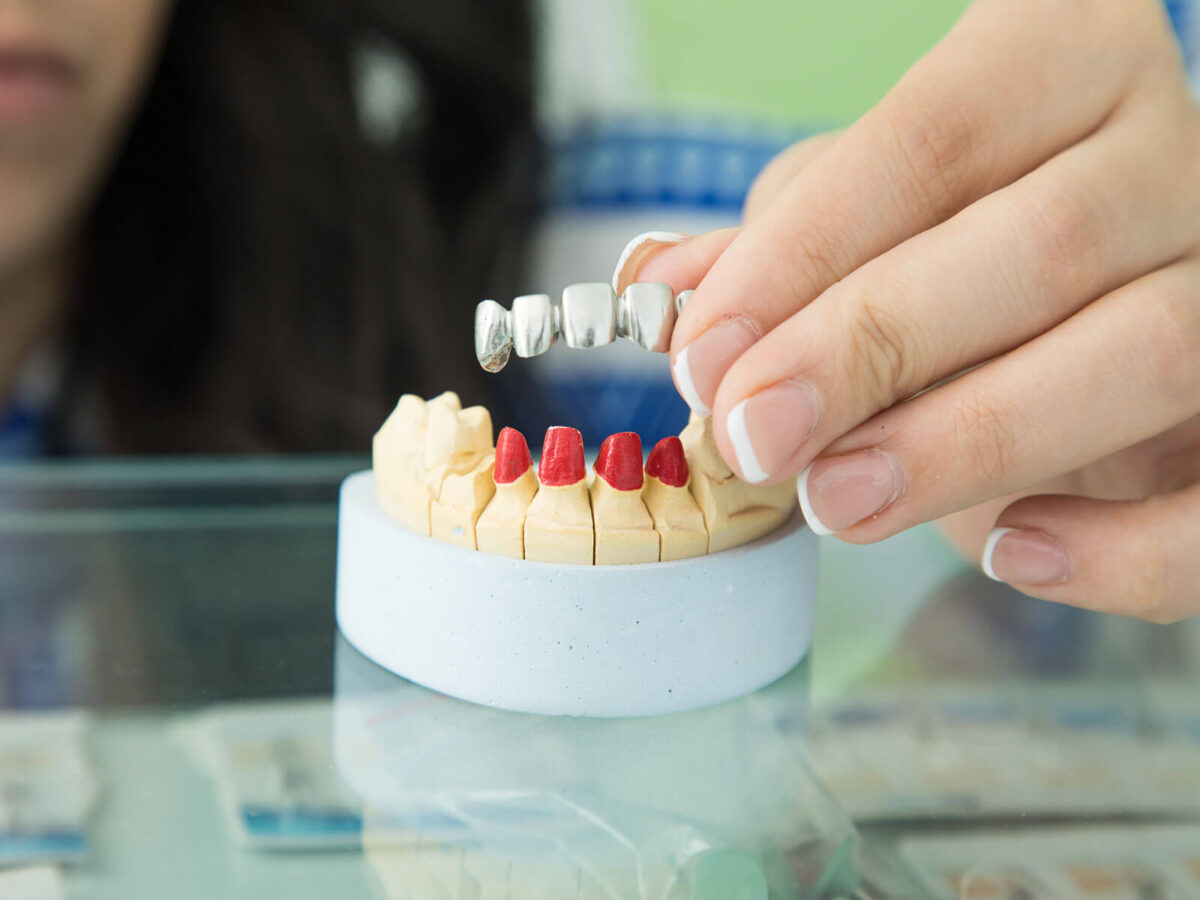
The Advantages of Porcelain Bridges For Missing Teeth

Tooth loss can significantly impact both dental health and overall well-being. Fortunately, modern dentistry offers various solutions to this issue, with porcelain bridges being a popular and effective option. Porcelain bridges not only appear natural but also offer several advantages that contribute to their widespread use in restorative dentistry.

Advantages of Porcelain Bridges:

Aesthetic Excellence:

  • Porcelain bridges excel aesthetically as they closely resemble the appearance of natural teeth. Made from ceramic material, porcelain mimics the translucency and shine of natural enamel. 
  • Dental professionals can customize the color, shape, and size of the porcelain to match the patient’s existing teeth, resulting in a cohesive and attractive smile. This aesthetic appeal boosts patient confidence and enhances facial aesthetics.

Durability and Longevity:

  • Known for their strength and resistance to wear, porcelain bridges can withstand the daily stresses of biting and chewing. With proper care and maintenance, they can last for many years, providing a reliable and long-lasting solution for those with missing teeth. 
  • This durability is beneficial as it minimizes the need for frequent replacements, adding to the treatment’s cost-effectiveness.

Stable and Fixed Solution:

  • Porcelain bridges offer a stable and fixed solution for replacing missing teeth. Unlike removable dentures, which can shift or cause discomfort, porcelain bridges are securely cemented onto adjacent natural teeth or dental implants. 
  • This permanence alleviates concerns about slippage, allowing individuals to eat, speak, and smile with confidence. The stability of porcelain bridges leads to increased comfort and convenience in daily life.

Preservation of Adjacent Healthy Teeth:

  • When addressing tooth loss, it’s crucial to consider the impact on adjacent healthy teeth. Some dental prosthetics might require alteration of neighboring teeth for support, potentially compromising their integrity. However, porcelain bridges do not necessitate the removal of healthy tooth structure. 
  • They are supported by crowns placed on the neighboring natural teeth, preserving their strength and function. This conservative approach enhances overall dental health while minimizing the impact on adjacent teeth.

Restoration of Functionality:

  • Beyond aesthetic benefits, porcelain bridges are instrumental in restoring crucial dental functions that are compromised by missing teeth. Biting and chewing are essential for proper digestion and overall health. 
  • Porcelain bridges enable individuals to enjoy a varied and nutritious diet, contributing to their well-being. Moreover, restoring a full set of teeth improves speech clarity, addressing any issues associated with missing teeth.

Prevention of Teeth Shifting:

  • The absence of a tooth can lead to the gradual shifting of surrounding teeth into the empty space. This movement can result in misaligned teeth and other dental complications. 
  • Porcelain bridges act as a preventive measure by filling the gap and maintaining the alignment of adjacent teeth. This preserves dental function and contributes to the overall stability of the oral structure.

Enhanced Oral Health:

  • Porcelain bridges aid in improving oral health by eliminating gaps between teeth where food particles and bacteria can accumulate. If left unaddressed, these areas can lead to decay and gum disease. 
  • By filling the space left by missing teeth, porcelain bridges promote a more hygienic oral environment, reducing the risk of dental complications and supporting optimal gum health.

Boost in Confidence and Self-Esteem:

  • The impact of tooth loss extends beyond the physical, affecting a person’s confidence and self-esteem. Porcelain bridges play a vital role in restoring a complete and natural-looking smile, positively influencing the patient’s self-image. 
  • The resultant boost in self-esteem often leads to improved social interactions and overall quality of life.

Conclusion:

Porcelain bridges are a comprehensive and advantageous solution for individuals dealing with tooth loss. From their visual appeal to their functional and preventive benefits, porcelain bridges aid in restoring oral health and overall confidence. 

It is essential to consult with a dentist to determine the suitability of porcelain bridges based on individual circumstances, ensuring a personalized and successful approach to tooth replacement.


 

Categories
Dental care

Can you drop a spouse from health insurance at any time?

You cannot remove your spouse or ex-spouse from the health insurance plan immediately. However,  with limited exceptions, to make a change in group health plans until the qualifying event. The  following is applicable for the Affordable Care Act marketplace and employer coverage plans. 

The below-mentioned qualifying events permit changes outside of the open enrollment, including removing your spouse from the coverage so that you do not get stuck with unnecessary bills.  

  • Marriage 
  • Adoption or birth of a child 
  • Legal separation/divorce 
  • Death of spouse or  dependents 
  • Change in dependents eligibility status (e.g- changed due to age, marriage, or independence)
  • Change in employment status of Self/spouse’s/dependent 
  • Changes in hours affecting the benefits eligibility 
  • Relocation 
  • Any additional coverage ends 
  • Changes in entitlement about Medicaid or Medicare 

The above legitimate reasons will help you remove your spouse from the policy in the middle of the plan year. The removal from the health plan must happen within  30 days from the date of the qualifying event. Otherwise, you’ll have to wait for the next open enrollment period to make any changes.  

The annual enrollment periods often occur between mid-october till mid-december. Employers usually have it in the fall or winter. The Affordable Care Act open enrollment period occurs between  Nov.1 to Dec.15 in most states. 

No longer dependent on spouse’s health insurance plan 

If your spouse drops you from the plan, and you have multiple health coverage options, you can still stay and have the same coverage through COBRA (Consolidated Omnibus Budget Reconciliation Act). It is for a limited time and considered as a safety net to keep the benefit and coverage. Although, the health insurance plan and the provider network will offer the same benefits. However, the same is not applicable to the employer that can even cause out-of-pocket insurance costs.  

In addition, you can have an ACA health insurance marketplace plan in which it offers subsidies based on your income, which will help you pay for coverage. ACA marketplace has multiple options and companies to choose from in your post-dissolution needs. 

Another option is to get short-term health insurance. It is common in most states at lower rates with limited offers. It is annual with twice renewal. It is a short-term health coverage option that cannot replace the long-term plan, and therefore, some states forbid or have stricter time limits. 

How to drop an ex-spouse from the plan? 

After the legal separation, a spouse is no longer eligible, dropping within 60 days of the divorce,  followed by the change form and copy of the first and last page of the final settlement. Keeping a  divorced spouse under the plan is deceitful, so the coverage ends on the month of the qualifying event. COBRA offers coverage options to ex-spouses for 36 months, post that they have to pay full for the rendered services. However, for dependent or ineligible spouse that’s active on the plan post 60 days of the qualifying event period window leads to paying the higher premium until the year ends.


Categories
Dental care

Why Are My Gums Swollen With Braces?

Dealing with swollen gums while wearing braces can be a common yet discomforting experience. Understanding the causes and finding effective remedies is crucial for maintaining oral health during orthodontic treatment. This article explores the primary reasons behind gum swelling with braces and offers insights into various conditions that can lead to this issue, along with helpful home remedies for managing gum tenderness.

Causes For Swollen Gums

Swollen gums during orthodontic treatment can be attributed to several factors:

  • Poor Oral Hygiene: Braces can trap food and dental plaque, leading to gingivitis, an inflammation of the gums caused by bacteria in plaque.
  • Tooth Movement: Orthodontic adjustments can cause minor inflammation around the teeth, and a decrease in bacteria concentration could exacerbate gingivitis.
  • Underlying Health Conditions: Patients with conditions like diabetes or obesity may experience more pronounced gum inflammation.

Diseases that can lead to Swollen Gums

Certain gum conditions and diseases can result in tenderness and swelling:

  • Gingivitis: This early stage of gum disease is characterized by swollen and tender gums. It can be exacerbated by the small spaces that temporarily open up between teeth during orthodontic treatment, creating a haven for bacteria.
  • Gum Disease: Caused by plaque buildup, gum disease is an infection of the gums that can lead to swelling.
  • Gingival Hyperplasia: This condition, characterized by overgrown gum tissue around the teeth, can be triggered by gum irritation and plaque buildup. It usually subsides after braces are removed, but severe cases might require surgical intervention.

Home Remedies For Swollen Gums

To alleviate gum tenderness at home, consider the following remedies:

  • Salt Water Rinse: Rinsing with warm salt water several times a day can soothe swollen gums.
  • Anti-inflammatory Medication: Over-the-counter anti-inflammatory drugs can help reduce swelling and pain.
  • Soft Diet: Avoid tough-to-chew foods when experiencing gum tenderness.
  • Effective Flossing: Regular flossing, possibly with the aid of a Waterpik, can help reduce gum inflammation.

Conclusion

Maintaining excellent oral hygiene is crucial for preventing gum swelling with braces. Regular brushing and flossing, especially after meals, are essential. Swelling is common after getting braces or following adjustments but should subside within a week. If swelling persists or is caused by gingivitis, consult your dentist for appropriate care. Home remedies, combined with routine dental cleanings and thorough hygiene practices, can effectively manage gum swelling associated with braces.