It is important to get dental care nowadays, and with advanced technologies, you can find a great number of procedures to have a beautiful and healthy smile. A good example of the measures used in the dental procedure is the use of dental sealants. However, they have their strengths and weaknesses, like other dental operations, which are to be discussed below. Before concluding, it is important to look at the pros and cons of dental sealants to make better decisions.
Here in this article, we will show you the advantages and possible disadvantages of having dental sealant to give you a better understanding of whether or not this is the best dental procedure for you. However, if you still need an authoritative opinion you can always turn to your Potranco Road Dentist TX.
What Are Dental Sealants?
Dental sealants are thin protective layers that are applied on the tooth surface where you bite, particularly the posterior teeth and especially the molars and premolars. Moreover, these teeth at the back have grooves and pits where the food particles and germs can sit, exposing these teeth to cavities. As a coating over the tooth surface, sealants also shield the interior portion of tooth enamel against acids and deleterious microbes associated with tooth decay.
The process is simple and fast and does not cause any discomfort to the patient. Although it is recommended for kids, this option can also be beneficial for adults depending on the condition of their teeth.
Pros of Dental Sealants
1. Prevent Cavities
The first benefit of Dental sealants is that they help prevent cavities which is very important. It works by painting a sealant over the depressions in your teeth which helps discourage germs and food deposits from settling in those areas.
The preventive efficacy of sealants reaches up to 80 percent within the first two years after application. This is desirable for kids particularly because they may not be able to use the correct brushing procedure all the time.
2. Painless Application
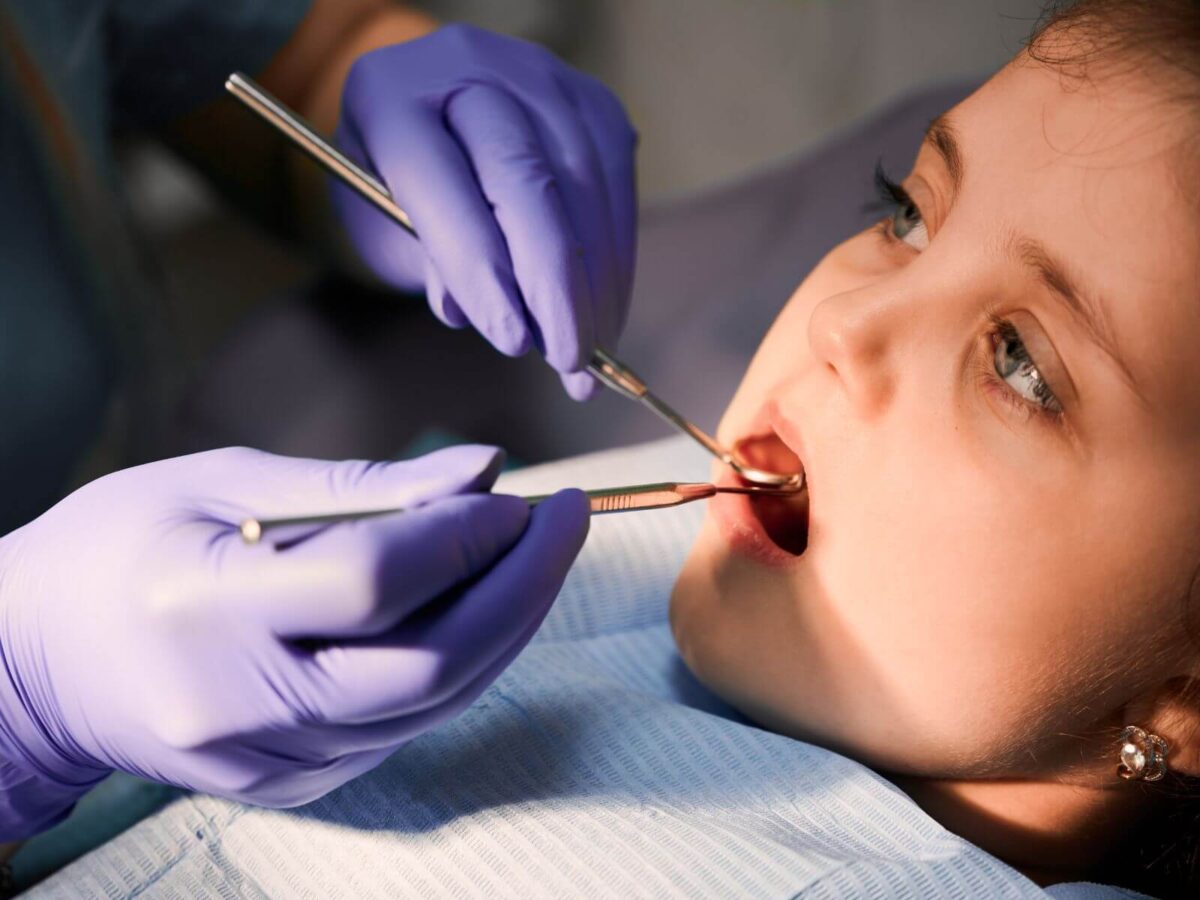
Dental sealants can be applied completely painlessly; there is no discomfort at all. It would not be necessary to drill on the tooth in question as you would if placing a filling or crown, and sealants are painted onto the surface of the tooth and then allowed to harden. There is no requirement for anesthetic or numbing and each tooth may often be restored rapidly, in several minutes.
This makes sealants desirable to those who fear dentists or to children who might be scared by more complex procedures.
3. Cost-Effective Prevention
Dental sealants are a rather inexpensive way to prevent much more serious oral issues in the future. In as much as family dentistry may be concerned with the cost of conducting cavities fillings, a root canal, or any other dental concerns that may arise from failure to attend to decaying teeth, sealants are very cheap.
It is also cheaper to use as a family dental sealant due to the coverage policies given to insurance companies, especially for children. If you are interested in getting sealants, talk to your Potranco Road Dental Office in TX about your coverage and the cost associated with the procedure.
4. Long-Lasting Protection
Dental sealants themselves are very tough if cared for appropriately and can commonly last for many years. However, they are not expected to last indefinitely they often provide long-term protection against charring for periods of up to five to 10 years.
Visiting the dentist for regular checkups gives him or her an opportunity to check on the sealants and even paint them where necessary. This is true because of the long-lasting ability of sealants and for this reason, they are a relied-on technique in cavity prevention.
5. Great For Children’s Teeth
Dental caries affect children mostly due to wrong brushing methods and frequent consumption of sweet products. Children are normally encouraged to get the sealants especially when the permanent molars are present. Given this, sealants are on the surface of a tooth surface that is hard to clean and hence, they assist in reducing the chances of caries during the ages when parents may not be able to ensure proper dental hygiene.
Cons of Dental Sealants
1. Limited To Certain Teeth
Molars and premolars benefit a lot from sealants; however, they do not apply to front teeth or any teeth that aren’t probably deeply grooved. This means that they are unable to arrest cavities on all five surfaces and only afford a certain degree of safeguarding. This is why you would be required to practice good oral hygiene throughout the rest of your life to preserve the rest of your teeth.
2. Adverse Effects, Including Allergic Reactions
From time to time, people may have an allergic reaction to the contents that go into a tooth sealant. However, the existing flowable composites and other restorative materials are biocompatible and safe for the human body in most cases, you should consult your dentist in case of any problems this is especially relevant for those people who have allergies.
In case where sealants may not be the right option for you, your dentist will suggest some other remedies. It is always wise; therefore, you should consult your dentist at Potranco Road Dental Office TX before proceeding further.
3. No Substitute For Routine Oral Care
One should not forget that dental sealants do not eliminate the need for daily brushing flossing and professional cleaning. The flat biting surface of the posterior teeth is the only area of the teeth that sealants can protect from the action of plaque and ensuing tooth wear.
A few people might get the wrong impression that they cannot suffer from cavities when they have sealants, which leads them to neglect other aspects of oral hygiene.
Conclusion
Most importantly for children or those who have very deep grooves on their molars, dental sealants are advisable to prevent you from experiencing cavities on your teeth. They should be used in preventive dental care because of their effectiveness, cost efficiency, and non-invasive attributes. Speaking of the ways one may save one’s teeth in the future, the best method is to be active now, while dental sealants may be a great solution for keeping the mouth healthy and free from cavities!