People rely intensively on advanced tools and devices these days. The advancements in modern medical technology have developed additional advantages that complement personal life technologies. The dental experience occurs when people need to see doctors and dentists regularly.
During the past decades, professional dentistry has started adopting patient-centered approaches alongside the adoption of numerous modern dental instruments that dentists now use. Family dentists incorporate these concepts with technological enhancements to improve their patient’s dental care and treatment productivity.
What is Dental Technology?
The advanced technology tools and procedures enhance oral health with systematic care and therapeutic methods for detecting conditions and delivering enhanced patient outcomes.
Digital imaging and 3D printing technology transformed dental practice and established an exciting dentistry study area.
The dental technicians apply their advanced abilities to manufacture custom-made dental devices at dental laboratories with assistance from dentists for individual patient requirements.
Why is Dental Technology Important?
The preservation of dental health depends on dental technicians, according to thousands of significant factors.
Nondisclosure of dental technology would result in significant difficulties in manufacturing bridges and crowns, dentures, and orthodontic devices. Due to this development, dental professionals have faster collaboration, which ultimately reduces patient waiting times.
Dental practices implementing advancements in their industry produce expert patient oral healthcare services alongside customized solutions for their dental practitioners.
Contemporary technologies have revolutionized the dental sector to reach higher operational efficiency standards in healthcare delivery systems.
Current dental technology employs three central innovations to optimize patient support and reduce procedure times.
Digital Impressions and 3D Printing
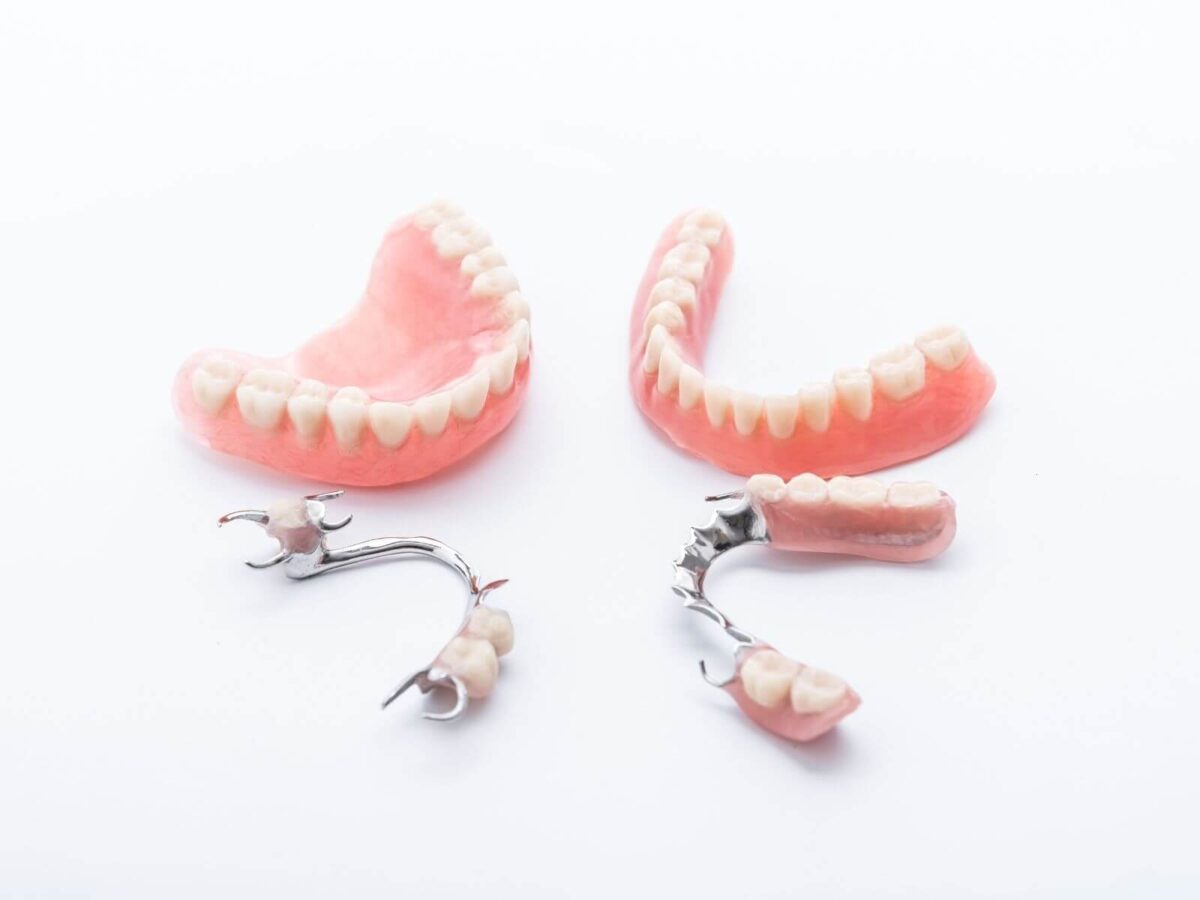
This technology allows dental professionals to manufacture dental prosthetics such as crowns, bridges, and dentures with improved accuracy and speed. Dental impression procedures force patients to endure unpleasant mold-making methods that result in discomfort.
Digital impressions are a modern dental technology that has replaced all traditional operative approaches. Dentists’ current dental scanners create detailed, precise digital copies of patient teeth. This technology enables the production of crowns and bridges and the fabrication of transparent aligner materials.
The dental field has undergone significant developments because of the implementation of 3D printing technology.
Teledentistry
The digital era enables patients to use teledentistry services for easy access to dental care treatment. Virtual consultations made possible through teledentistry decrease the necessity of office visit appointments for patients to receive care. Teadent provides efficient capabilities to share treatment information and enables oral health education and remote tracking of treatment assessments.
Laser Dentistry
Since the arrival of laser-based technologies, the dental industry has undergone an absolute transformation. Lasers function today as medically approved equipment for treating gum disease along with procedures that diagnose cavities and whiten teeth. Dental treatments equipped with lasers introduce minimal procedural invasiveness along with reduced pain sensations and the potential to avoid total anesthesia.
Cone Beam Computed Tomography (CBCT)
CBCT operates as a contemporary medical instrument that develops three-dimensional images from the structures of human craniofacial anatomy. With this technology, physicians can perform better examinations of dental implants and root canal assessments and conduct advanced diagnoses of dental issues. Dental experts benefit from CBCT technology by gaining enhanced body structure visibility during exact treatment practices.
Virtual Reality
Future dental patient care shows promise through virtual reality technology because dental practitioners will receive headsets with virtual reality and augmented reality solutions that function as treatment methods.
Psychological connections between dentists and patients derive from virtual reality utilization, which enhances dental treatments by minimizing pain sensations.
The virtual environment allows students to practice dental procedures, which helps them build skills and improve their movements and operational speed.
3D virtual reality simulation technology is an educational tool to help pre-clinical students transition from classroom studies to practical clinical responsibilities in specific universities. The simulation glasses that recipients wear reproduce 3D movie viewer devices to view virtual dental instruments while practicing hand movements inside a virtual mouth.
Augmented Reality (AR) for Patient Education
The augmented reality platform delivers educational content about oral health status and suitable treatment possibilities to patients. AR technology’s visual treatment options feature helps patients comprehend planned procedures more simply.
Intraoral Cameras
Intraoral cameras contain high-resolution equipment that provides dentists with multiple perspectives of oral cavity images. The imaging system displays precise live views of patient oral health on screen monitors. Patients who can view their dental conditions through intraoral cameras better understand their treatment options.
Dental Software Solutions
Modern dental office management software achieves two goals: consolidating administrative operations with scheduling functions while managing patient records. The digital tools implemented in dental practice lead to better patient experiences thanks to their ability to make procedures more efficient and lessen waiting time.
Eco-Friendly Dentistry
Dentistry practices attain environmental sustainability through contemporary technology devices that minimize environmental consequences. The dental practice uses digital records, energy-saving equipment, and water-saving systems to maintain its environmental focus.
The Internet of Things (IoT) in Oral Health
Dental healthcare accepts Internet of Things devices to develop its oral health approach. Patients can get immediate brushing evaluation through smart toothbrushes, enabling access to oral healthcare applications for improved dental hygiene.
Robot-assisted dental implant surgeries
The US Food and Drug Administration (FDA) granted Neocis, a Miami-based company, its initial approval to market the Yomi system as the first robot-assisted surgical device designed for dental implant surgeries.
The Yomi robotic system enables complete implant surgery to be completed in ninety minutes, whereas dual arch surgery requires two and a half hours. Robot-assisted implant surgery represents the future’s chief standard because it allows patients to have one-day procedures while taking less time and achieving higher accuracy and better efficiency through minimally invasive techniques.
The use of robot-assisted surgical machines for improved patient treatment delivery by dental school students exists in only a few educational institutions across the USA.
Artificial intelligence
AI adoption in dentistry is on the rise, and its use is becoming most apparent through diagnostic software systems. Artificial intelligence analyzes vast data points to create algorithms that make precise decisions based on available evidence.
Diagnosis software accurately assesses current patient symptoms. AI systems’ pattern recognition feature produces potential medical diagnoses based on current clinical circumstances.
Conclusion
Past studies show that AI-based diagnosis of dental caries cavities) through X-rays matches professionals more consistently than human dental practitioners. The system is also more accurate than medical professionals in detecting specific conditions.
Dental facilities now outperform human imagination because of innovative technological equipment. Not every technological development has attainable expenses in modern-day marketplace situations. Modern scientific clinics adopt clean technological answers to enhance their patient care standards. Dentists who need fulfillment in this marketplace need to hold recognition and possess readiness for variation.