Potranco Dental office

Categories
Dental care

Does Tea Stain Teeth, and How to Avoid It?

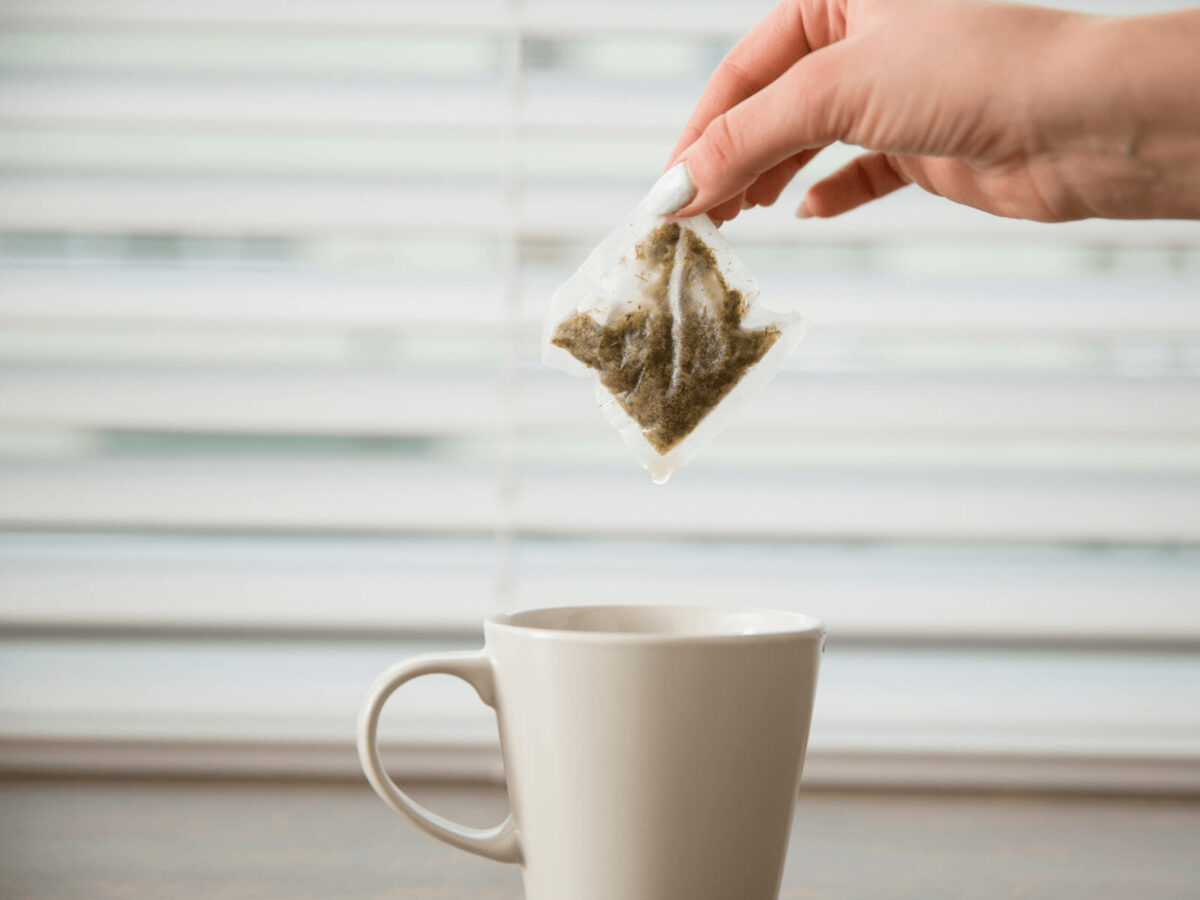
Ever notice your teeth look off, even when you brush every day? If you enjoy tea regularly, you’re not the only one. A lot of people don’t think twice about what tea might be doing to their smile. But over time, that favorite cup, especially black or green tea, can start to leave behind stains that don’t just rinse away. It’s one of those things that creeps up until you catch yourself wondering, Were my teeth always this color?

Thankfully, Tea stains on teeth removal is entirely possible, with the right habits and timely care.

Why Does Tea Stain Your Teeth?

Tea has these little compounds called tannins (they’re natural and plant-based). If you’re drinking tea a lot, especially the darker kinds, those tannins basically invite all the color in and let it stick to your enamel. Ever wonder if some teas are worse than others when it comes to stains?

Yeah, they totally are, and here’s how they stack up (roughly):

  • Black tea: Probably the worst. It’s got the most tannins, so the stains run deep.
  • Green tea: Less intense, but still a sneaky stainer, it can leave this weird grayish tint.
  • Herbal or white teas: Milder, yeah, but drink enough and they’ll leave their mark too.

Even brushing regularly may not prevent staining if you’re a frequent tea drinker.

What Tea Stains Look Like on Teeth

Recognizing tea stains early can make a big difference. These are common signs that your teeth are being affected:

  • Dull, yellowish, or brown discoloration
  • Uneven tooth color, especially on the front
  • Stains near the gum line or between teeth
  • A lack of brightness, despite regular brushing

Once these signs appear, consider Tea stains on teeth removal strategies to avoid deeper discoloration.

Smart Habits to Prevent Tea Stains

1. Rinse right after tea (seriously, it helps): Just swish some water around your mouth. It helps wash off the staining stuff before it sticks, and it freshens your breath, too.

2. If it’s iced, use a straw: Sounds silly, but it keeps the tea from hitting your front teeth. Especially smart if you’re sipping on tea all day like a habit.

3. Throw in a splash of milk: Especially with black tea, milk cuts down the tannins. It makes the tea less harsh on your enamel. Plus, hey, extra calcium.

4. Don’t brush right away: Tea makes your enamel a bit soft right after drinking. Give it 30 to 60 minutes before brushing so you don’t scrub away the good stuff.

5. Snack on crunchy stuff: Apples, carrots, and celery are all like nature’s toothbrush. They scrub your teeth, boost saliva, and protect enamel naturally.

Brushing and the Best Toothpaste for Tea Stains

Brushing is a key defense against tea staining, but not all toothpaste is created equal.

Let’s be real, brushing is the most basic thing we all do for our teeth.

But if tea’s part of your routine, you’ve gotta be a little more intentional with it.

  • Use a soft-bristled brush. It’s gentle and doesn’t wear down your enamel.
  • Brush twice a day, maybe even after lunch if you’ve been sipping tea all morning
  • Just don’t brush right after tea, wait for 30–60 minutes so you’re not brushing softened enamel

Picking a Toothpaste That Actually Works

Not all toothpastes are made the same, some are way better for dealing with tea stains than others. When you’re scanning the shelves, look for stuff that has:

  • Gentle abrasives (like baking soda) to lift surface stains without wrecking your enamel
  • Whitening ingredients, but the kind dentists actually recommend, not sketchy TikTok trends
  • Fluoride strengthens enamel and helps your teeth hold up long-term.

Using the Best toothpaste for tea stains consistently can lift surface discoloration and help maintain a brighter smile. Pair it with daily flossing and mouthwash for even better results.

When to Visit a Dental Office for Help

Sometimes, at-home methods only go so far. When tea stains become too stubborn or widespread, it’s time to consider professional support.

Signs You May Need Dental Help:

  • Stains persist despite brushing and rinsing
  • Teeth look uneven or patchy

A visit to a Potranco Road Dental Office, TX can lead to options such as:

  • Professional dental cleanings to remove plaque and surface stains
  • In-office whitening treatments for deep discoloration
  • Custom whitening trays for safe, controlled at-home use
  • Microabrasion for particularly tough surface stains

Can At-Home Remedies Work?

DIY stain removers can be tempting, but not all are safe. Some common tricks can harm your enamel if used carelessly.

Popular At-Home Methods:

  • Baking soda paste: Mildly effective, but abrasive if overused
  • Hydrogen peroxide: Only safe in very diluted amounts
  • Activated charcoal: Trendy, but may wear down enamel
  • Whitening strips: Effective for mild stains, but may cause sensitivity

Always consult a dental expert, like a Potranco Road Dentist TX, before trying new whitening methods.

Lifestyle Tips That Support Whiter Teeth

In addition to oral hygiene, your overall habits play a role in preventing stains.

Everyday Adjustments:

  • Drink more water throughout the day
  • Avoid smoking, which worsens staining
  • Limit other dark-colored drinks like red wine and cola
  • Stay consistent with dental checkups

Final Thoughts

Whether it’s waking you up in the morning or just something to sip while scrolling, tea kinda just fits into the day, you know? But it can be rough on your teeth if you’re not careful. The good news? You don’t have to give it up completely. Just a few changes and stay on top of your oral care, and your smile won’t have to suffer for your tea habit.

If your teeth still appear stained despite your best efforts, it’s time to take the next step. Visit Potranco Road Dentist TX to explore professional teeth stain removal that’s safe, effective, and personalized for your needs.
Categories
Dental care

Bad Habits That Harm Your Child’s Teeth

Children are naive while they are growing up. They might not adopt habits that are good for them. But they keenly follow their parents. Kids often repeat activities that they might find fun or interesting. This usually leads to bad habits. Some habits can damage their oral health. It will also disrupt their oral hygiene routine.

This article will help you understand which habits are bad for your child’s oral health. You can also learn how to protect your child’s health. You will explore these bad habits in detail and learn tips to avoid any damage. Let us dive into the details of bad oral habits for your child.

Thumb and Finger Sucking

Most infants suck their thumbs. It is a common oral habit that your child might outgrow. However it is persistent for their school year, and it becomes a concern. You need to observe your child’s habits. And also observe their thumbs and fingers. This will help you understand if they still suck their thumb or fingers.

Here are some common problems your child might get into if they continue to suck their fingers:

  • tipping of the lower incisors
  • misalignment of the permanent teeth after they emerge
  • open bite of the front teeth
  • flared upper incisors
  • deformities of the roof of the mouth

Other than these, some kids also have a habit of lip-sucking. However, it is not as problematic as thumb-sucking. It can lead to inflamed or chapped lips. But you need to ensure your child avoids it as a serious habit. If not, your child’s teeth might flare out, or the lower teeth might tilt towards the tongue.

Chewing Hard Objects Like Ice

Most kids love chewing things when they are teething. They might bite objects, even toys, during this period. But if your child has a habit of biting off things, it can be a serious problem. Your child might inhale plastic and even chip off their enamel.

Most oral injuries happen during childhood because of this habit. Cracked teeth, damaged soft tissue, and even oral infections. This is why you must watch out if your child chews stuff out of boredom. You must try to stop your child from biting ice as well; it can also be dangerous.

You can offer your child some other things to bite. It might include sugarless gums, veggies, or their favorite fruit. You must keep them distracted to ensure they do not start biting things again. Small efforts to change a bad habit always work.

Teeth Grinding

Pre-teens often have a habit of grinding or clenching their teeth. This is called bruxism. It is a common habit that most kids outgrow. But if your child continues to teeth grinding, it can affect their sleep. It also impacts their oral care. This habit is linked to anxiety, stress, and depression.

Most kids with this habit often complain of headaches and earaches. They also might experience jaw pain. You need to keep a check on your child’s anxiety and stress. It is a common cause that often leads to teeth grinding.

You can use a night guard to protect your child’s teeth. It also prevents further enamel damage. You can ensure your child can sleep properly if they use protection tools such as mouthguards. This will eventually lead to minimized symptoms of bruxism.

Missing Dental Appointments

Most parents do not find it necessary to take their kids to dental appointments. However, as per expert recommendations, visiting a dentist from a young age introduces them to the world of oral hygiene. They get familiar with their dentist. Children get comfortable over time and can share their problems with them appropriately.

Kids may have bad habits that affect their oral health. A dental exam can help them prevent upcoming problems in advance. Your dentist can suggest your child what to do and what to avoid. Over time, the child learns why dental appointments are great for oral health.

Eating Too many Candies

Who does not love eating candies? Maybe not now as adults, but we all loved having candies as children. But there is a limitation to things even if we love them. When stuck in hard-to-reach areas in the mouth, Candies can cause tooth decay. Too much sugar also invites bacteria overgrowth in the mouth. It can lead to infections, tooth decay and severe cavities.

As a parent, it is your duty to keep your child’s diet in check. You need to regulate their candy consumption. You must ensure that your child does not eat candy over a limit. However, one or two candies a day cannot do much harm. Just ensure they maintain oral hygiene to avoid the risk of tooth decay.

Using Teeth As a Tool

Kids who use their teeth to open packaging might find it cool, but it damages your teeth. You need to avoid using your teeth as a tool. You must consult your child to help them understand how it affects their oral health. It can lead to severe bleeding, damage to soft tissue, and even cause infections.

Too Much Toothpaste In Mouth

Fluoride consumption should be kept in check. Most parents introduce it in the form of toothpaste ingredients to their children. However, if consumed over a limit, it can be extremely harmful to your child. Too much fluoride content can lead to fluoride poisoning. You must educate your child about it. You need to supervise your child while they use such toothpaste.

Conclusion

Children take most habits from their parents. This is why you must make sure you introduce them to good habits. And become the right representative of better oral health. If your child adapts a habit to avoid boredom, you need to keep them distracted.

You can visit our experts at Potranco Road Pediatric Dentist to consult about your child’s oral health. You can explore how to avoid such bad oral habits. With effective tips, you can better manage your child’s oral health.