Potranco Dental office

Categories
Dental care

Choosing The Right Orthodontic Treatment For Your Teen

Teenage teeth and jaw alignment may impair confidence, dental health, and well-being. If mistreated, your child may be embarrassed for life. Braces and aligners have pros and cons for orthodontic treatment.

Knowing your teen’s orthodontic options will help you choose one that fits their needs and lifestyle. Here are some useful treatments you can opt for. Potranco Road Dentist TX also mentions their pros and cons for a better understanding.

Why Should Your Teen Need Orthodontics?

Due to oral development, teens need orthodontic therapy since their teeth are easier to straighten. Proper alignment benefits teens by allowing them to have a confident smile, better biting function, easier oral hygiene, and a lower risk of dental disorders.

If teeth aren’t lined up right, they could get gum disease, cavities, and trouble speaking. Teenagers who deal with these problems can smile with more health and confidence for the rest of their lives. Potranco Road Dentist TX suggests the given treatments for improved oral health.

Teen Orthodontic Treatments

Different orthodontic methods have different pros and cons. The best braces for teens include:

Metal Braces

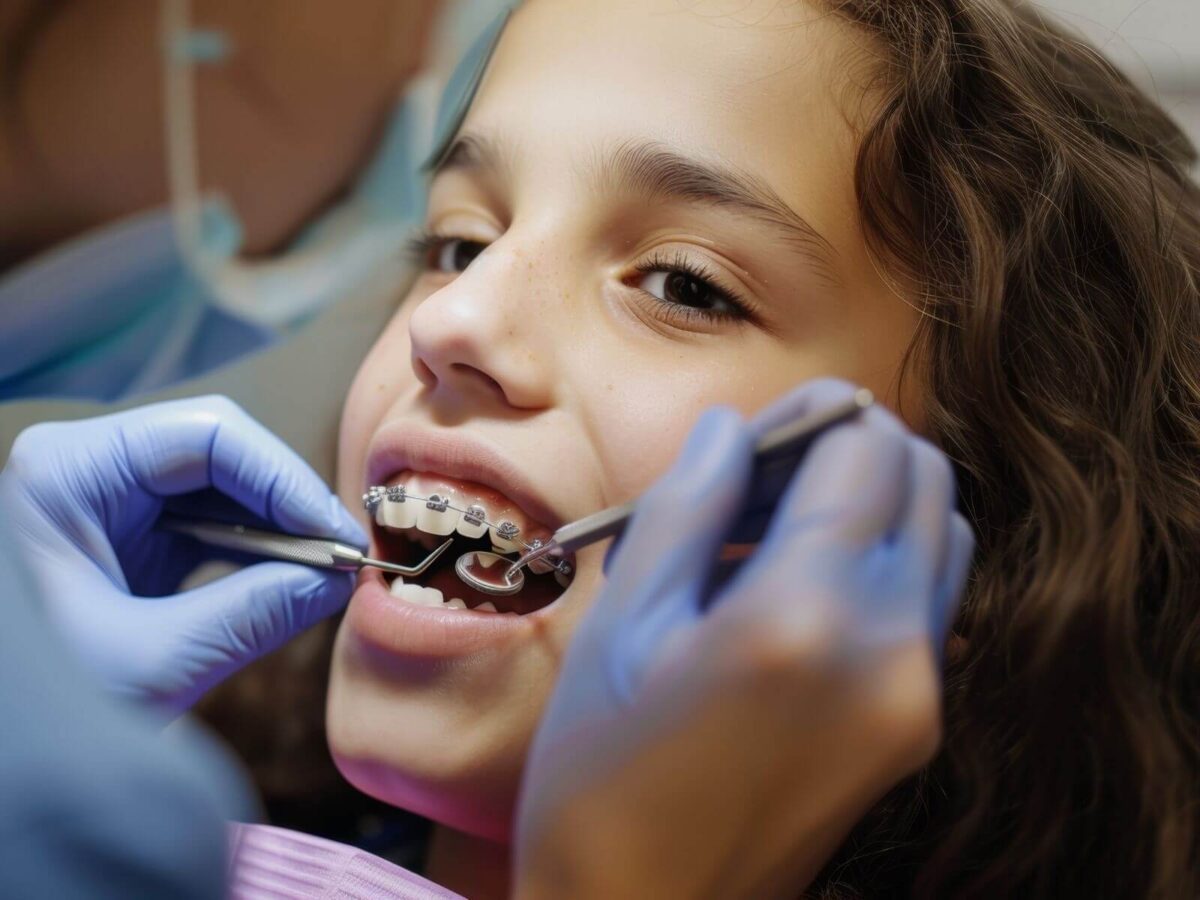
Each tooth has a metal bracket attached to it, which is linked by a wire and tightened periodically to move the teeth into place. They can correct dental issues such as misaligned teeth and terrible bites.

The longest-lasting and most affordable braces are made of metal. Teens who are self-conscious about their appearance may decide to wear metal braces. To prevent their teeth from becoming discolored or broken, they should make an effort to eat less and brush their teeth more frequently.

Ceramic Braces

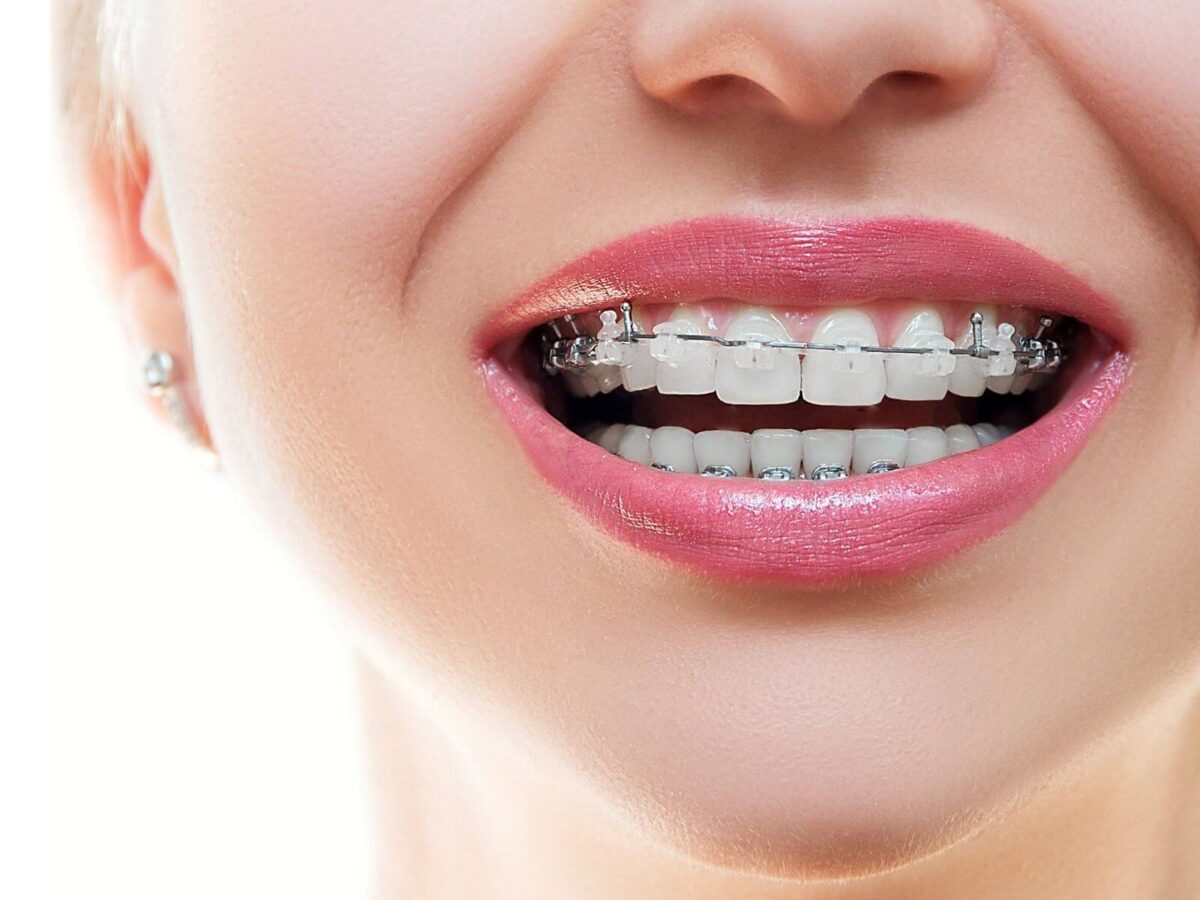
The wires and bands of these braces are either clear or the same color as your teeth. In this manner, they are less noticeable than metal braces. Braces made of metal and ceramic have the same appearance, but they serve the same purpose.

The metal clamps are more durable than the clay ones, which can break. Also, they might cost more than metal braces. You should only get these braces if you know how to take good care of them, says the Potranco Road Dentist in TX.

Lingual Braces

They are put on the back of the teeth so that they can’t be seen from the front. They don’t stand out as much as standard braces. They are hidden but work the same way as regular braces, making them good for kids who care about how they look.

Lingual braces might feel painful at first because they rub against the tongue. They also cost more and are more challenging to clean.

Clear Aligners

Clear aligners, like Invisalign, are clear trays that fit over teeth tightly and can be removed. Every two weeks, new custom-made braces are put on to move the teeth into place slowly. They are almost impossible to see, and you can take them out to eat or brush your teeth.

They also need fewer trips to the clinic. Clear aligners might not work for severe or complicated misalignments. Teenagers may find it hard to wear them for 20 to 22 hours a day, which requires self-control.

Advantages of Teen Orthodontic Treatment

Getting braces as a teen has many benefits:

  • If your teeth are straight, they are easier to clean, which means you are less likely to get cavities, gum disease, and other oral problems.
  • Teens feel better about themselves when they smile in a straighter, nicer way.
  • Taking care of alignment issues early on helps create good oral health for life, which lowers the need for future dental procedures.

Things to Consider When Choosing a Treatment

There are a lot of things to think about when picking the proper dental treatment for your teen:

  • Dental Issues
    Problems determine treatment. Metal braces work best for difficult bite difficulties, whereas clear aligners work for minimal to moderate issues. Potranco Road Dentist TX will carefully inspect their teeth and select the best treatment.
  • Cost or Budget
    Metal braces are the cheapest way to straighten teeth. Clear aligners and lingual braces cost extra. Patients can get payment plans or loans from several orthodontists. Long-term investment value is essential.
  • Treatment Duration
    Treatment duration depends on the method and severity of the dental problem. You must wear metal braces for 18–24 months. In certain cases, transparent aligners work for a year. Know the length of therapy so you and your child can set realistic goals.

Get Ready for Orthodontic Treatment

Before treatment, you need to get your kid ready and set realistic goals. If you have braces, you should brush and floss your teeth more often because food can get stuck in them. Results take time, but they are worth the wait, so bear with me.

If you stay positive and supportive, you can help your kid get better in treatment. Careful attention, the right food, and regular checkups with Potranco Road Dentist TX will keep treatment on track and get the best results.

Conclusion

Your teen’s orthodontic care will depend on their oral needs and lifestyle. Classic, ceramic, lingual, and clear aligners each have their perks. The best choice for them will depend on how bad their alignment problems are and how committed they are to getting better.

Potranco Road Dentist TX can help you figure out what the best option is for you. If you do things the right way, your teen can enjoy braces and get a healthy, happy smile that will last a lifetime.
Categories
Dental care

How To Put Rubber Bands On Braces

Attaching rubber bands to braces is difficult at first, but it becomes easy with the right technique. Orthodontic rubber bands (elastics) save the day for straightening teeth and resolving biting difficulties.

This detailed article explains the benefits of rubber bands with braces and how to put them on. The suggestions by Riverwalk Dental Potranco make the task easier and quicker.

What is the Significance of Rubber Bands?

Braces and rubber bands play an essential role in orthodontic treatment. They assist in correcting misalignments more effectively than braces alone by applying the necessary additional force to shift teeth and jaws into the proper position.

An orthodontist may recommend elastic arrangements to narrow spaces, realign your bite, or shift teeth. Wear these rubber bands as directed by your orthodontist for the best results rapidly.

Putting on Rubber Band over Braces

We will go over the processes suggested by Riverwalk Dental Potranco to help you correctly apply your rubber bands.

1. Rinse Your Hands
Before you start, make sure your hands are completely clean. Use a lot of water and soap. It will help keep bacteria out of your mouth and make it less likely that sickness will start near your teeth or gums.

2. Familiarize With Pattern
Your orthodontist will provide you with the recommended pattern for donning rubber bands. The arrangement is tailored to meet your specific orthodontic requirements. Here are a few typical setups:

  • The second class of orthodontic treatments involves repositioning the upper canines to meet the lower molars using elastics.
  • The elastics that run from the lower canines to the upper molars help to straighten underbites.
  • Crossbite and vertical elastics may need to be placed in a particular way in order to help certain bite disorders.

You can make the best things happen. When using orthodontic elastic bands, make sure to follow your orthodontist’s instructions properly.

3. Attach the Rubber Band
To attach the rubber band to your upper teeth, begin with one side and ensure it is on the correct bracket. A plastic hook or other tool provided by your orthodontist can make stretching and placing the band much easier.

4. Stretching the Rubber Band
Once you’ve secured the band to the upper bracket, be cautious as you draw it down to the bottom bracket that matches your braces. Start gently to avoid snapping the rubber band.

5. Repeat the Procedure
If you have elastics on both sides, just turn it over and do it again on the other side. Getting into the habit of wearing both elastics at the same time will improve your treatment.

How to Wear and Care For Rubber Bands

Putting on rubber bands could be a bit of a pain at first, but you’ll get the hang of it. A mirror makes checking the placement of the rubber bands easier. It is recommended that you complete this work in a well-lit mirror.

Always follow the instructions on how often to wear your rubber bands. If you wear them properly, the duration you’ll require braces may be reduced, which could affect the length of your therapy.

Rubber bands become less flexible over time. You might need to change them several times a day, so keep an extra set on hand.

Most orthodontists tell their patients to take off their rubber bands before they eat because they are more likely to break or wear out that way. Just put them back in right after eating to keep making progress.

Riverwalk Dental Potranco Tells You How to Avoid the Most Common Mistakes

1. Not Taking Any Days Off
You must wear the rubber bands every day for them to move your teeth correctly. This means that the length of treatment or growth may be slowed down. Follow the schedule your orthodontist gave you.

2. Doubling the amount
Don’t double up on rubber bands because you think they will speed up the process when they won’t. Excessive strain on your braces may result in injury to your lips or teeth, in addition to amplifying overall discomfort.

3. Disregarding the Size
Bands may come in various sizes and style alternatives. It is possible that the bands will not press your teeth adequately if they are either too big or too little. It may cause discomfort. Braces used with too strong force may harm teeth or lips. The suffering might be more.

4. Not Considering Scale
Rubber bands vary in size and form somewhat widely. If the bands are either too big or too small, they might not be able to exert enough pressure on your teeth, which may be uncomfortable.

Overcoming Challenges and Correcting Errors

If the rubber bands hurt or make it hard for you to put them on, you should talk to your dentist. They might know more about what tools to use or how to finish the application.

You may experience some discomfort in the initial few days. However, if this persists, it is advisable to consult your orthodontist to confirm that the treatment is proceeding according to plan.

If you follow your orthodontic treatment plan, including wearing the elastics as prescribed, you will see results. With speedier alignment and bite correction, braces can be removed sooner. Wearing your braces regularly reduces the risks and helps your teeth adjust smoothly.

Conclusion

Applying rubber bands to braces requires practice, but it’s easy once you do. Your orthodontist will tell you how to utilize elastics and straighten your smile. When in doubt, see Riverwalk Dental Potranco. Learn orthodontic care from them to align teeth and reduce pain. Working hard and practicing helps straighten your teeth quickly.