Potranco Dental office

Categories
Dental care

How Long Does Oral Thrush Last Without Treatment?

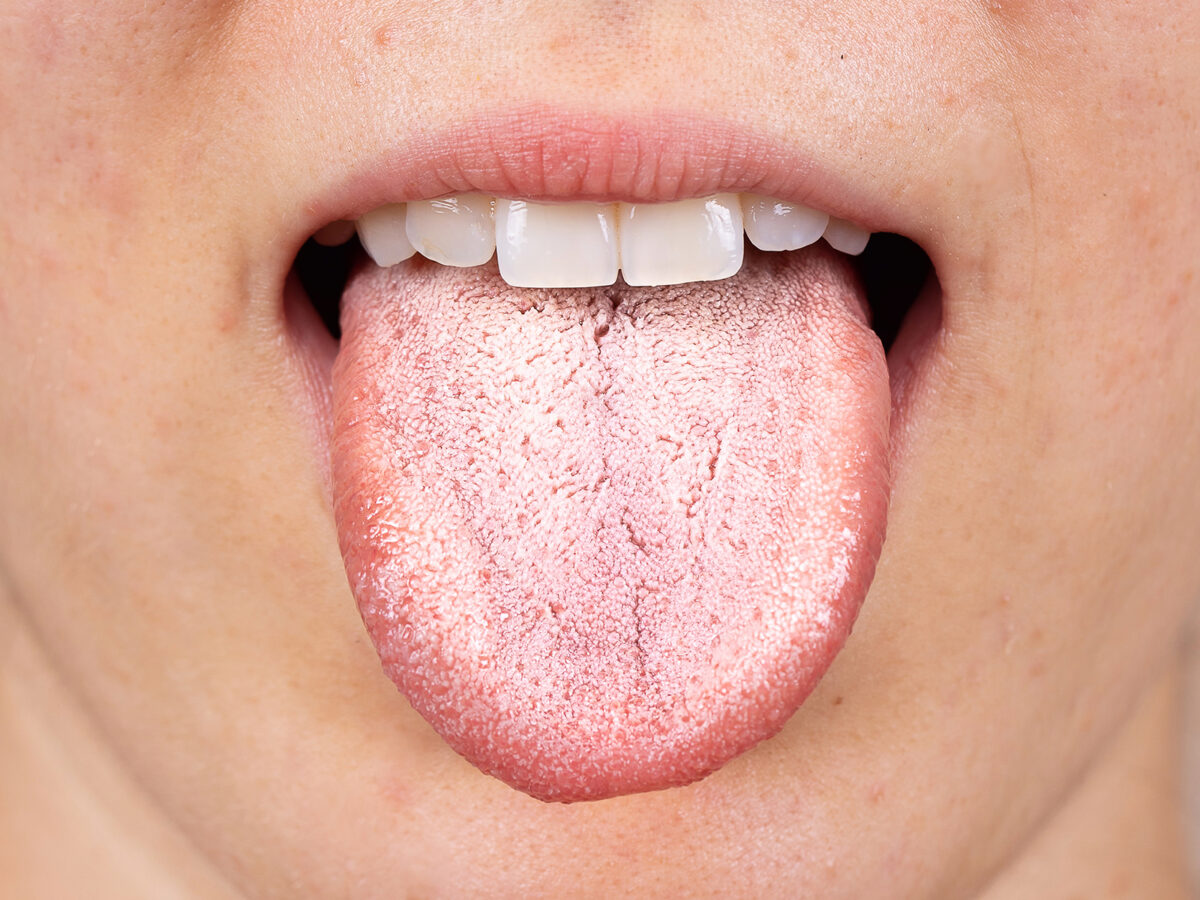
Oral thrush, also known as oral candidiasis, is a prevalent fungal infection caused by the Candida yeast. While it predominantly affects infants and the elderly, individuals with weakened immune systems are also susceptible. This condition can be both uncomfortable and painful, raising concerns about its persistence if left untreated. In this article, we’ll explore the symptoms of oral thrush, its duration, potential risks, and the importance of medical intervention.

Can Oral Thrush Resolve Without Medical Intervention?

The severity and duration of oral thrush can vary, even without medical treatment. In milder cases, the infection might naturally subside within a few weeks. However, several factors can influence its persistence:

  • Immune System Health: A robust immune system can often counteract Candida yeast overgrowth, leading to a faster resolution. Conversely, conditions like HIV, diabetes, or cancer that compromise the immune system can prolong the infection.
  • Hygiene and Habits: Regular oral hygiene practices, such as brushing, flossing, and cleaning dentures, can help prevent Candida overgrowth and expedite recovery.
  • Diet: A diet rich in sugar and refined carbohydrates can foster Candida growth. Without dietary adjustments, the infection might persist longer.
  • Underlying Health Conditions: Conditions like dry mouth, hormonal fluctuations, or the use of certain medications can create an environment conducive to Candida, potentially prolonging the infection.

Potential Complications and Risks of Untreated Oral Thrush

While oral candidiasis might seem benign, neglecting it can lead to complications:

  • Discomfort: The creamy white lesions characteristic of oral thrush can cause discomfort, complicating eating and swallowing.
  • Spread of Infection: The infection can extend to other parts of the mouth, throat, or even the esophagus without intervention.
  • Pain: Oral thrush can induce pain and irritation, hampering routine oral activities.
  • Nutritional Deficiencies: Pain-induced eating difficulties can lead to nutritional shortfalls, especially in vulnerable groups like infants and the elderly.
  • Weakened Immune Response: Chronic oral thrush can further debilitate the immune system, making the infection increasingly resistant to treatment.

When to Seek Medical Attention

While some mild cases of oral thrush might self-resolve, it’s crucial to seek medical attention in the following situations:

  • Persistent Symptoms: If symptoms persist or worsen after a couple of weeks, consult a healthcare professional.
  • Pain and Discomfort: Intense pain, swallowing difficulties, or lesion-induced bleeding necessitate immediate medical care.
  • Immunocompromised Individuals: Those with weakened immune systems should promptly seek medical advice, as their infections can be more severe and prolonged.
  • Infants and the Elderly: Given the potential complications in these demographics, immediate medical intervention is essential.

Medical Treatments for Oral Thrush

Antifungal medications are typically prescribed to combat oral thrush. Available in various forms, including oral solutions, tablets, and creams, these drugs inhibit Candida growth. A healthcare provider will determine the most suitable medication and treatment duration based on the infection’s severity and the patient’s overall health.

Conclusion

Oral thrush’s duration without treatment can vary significantly, influenced by factors like immune health, hygiene, diet, and underlying conditions. While some mild cases might naturally subside, untreated oral thrush can lead to discomfort, pain, and potential complications. It’s imperative to seek medical attention, especially for vulnerable groups. Healthcare professionals can offer appropriate treatments to alleviate symptoms, prevent complications, and ensure a speedy recovery. Good oral hygiene and addressing underlying health concerns are also pivotal in preventing future oral thrush episodes.

Categories
Dental care

How Much Tooth Is Needed For A Dental Crown?

Dental crowns can cover various restoration needs and are widely utilized in modern dentistry. They’re a great way to restore a tooth’s strength, protection, and appearance after injury. The question, “How much tooth structure is needed for a dental crown?” is prevalent when contemplating dental crowns. This article will highlight a crucial part of placing a dental crown: how much of the original tooth needs to be removed.

A Glimpse of Dental Crown and Tooth Requirement

Restoration dentists adhere strictly to conserving as much of the patient’s original tooth structure as feasible. The objective is to save as much of the natural tooth as possible while eliminating decay or damage. However, a dental crown may be required to restore the form, function, and strength of a tooth that has been considerably weakened, cracked, or has extensive decay.

  1. Dental crowns require the tooth to be prepared so that the crown fits securely and lasts as long as possible. Several criteria, such as the location and severity of disease or decay, the chosen crown material, and the patient’s aesthetic goals, determine how much of the natural tooth structure must be removed.
  2. When preparing a tooth for a dental crown, removing the same amount of tooth structure around the tooth is standard practice. This guarantees a snug fit, enough room for the crown material, and solid therapeutic support. Depending on the circumstances, the dentist may remove anywhere from 1.0 to 2.0 millimeters of tooth structure.
  3. When a tooth has suffered significant decay or fracture, a dental crown can offer the necessary strength and protection to restore the tooth’s function. The amount of healthy tooth tissue that needs to be extracted depends on the severity of the injury or decay. The old restorations may need to be removed to place a crown on a tooth with a large filling or many fillings.
  4. Teeth that are weak or have been cracked often need dental crowns to strengthen them and prevent further breakage. How much of a tooth has to be restored with a crown is determined by the nature and location of the damage. Having the crown covers the entire compromised area and provide enough support may require removing some extra tooth structure.
  5. The quantity of healthy tooth structure needed for a crown is also affected by the crown material selected. The amount of natural tooth that needs to be removed varies from one crown material to the next due to the thickness requirements. For instance:
  6. Because of the metal substructure required for porcelain-fused-to-metal (PFM) crowns, more natural tooth needs to be removed than all-ceramic crowns.
  7. Altogether ceramic caps: All-ceramic crowns have gained popularity as dental materials and technology have progressed. Compared to conventional PFM crowns, these crowns are much less invasive in tooth structure removal while providing great aesthetics.

How to Decide and Install a Dental Crown?

When deciding where to install a dental crown, aesthetics are just as important as function. Aesthetic goals may determine the extent of tooth reduction. More tooth structure removal may be necessary to get the desired aesthetic effect if the natural tooth displays extreme discoloration, deformity, or alignment difficulties. This is especially important for porcelain or all-ceramic crowns, which need extra room for the porcelain to be layered to look natural.

Minimally invasive procedures: contemporary dental practice prioritizes the protection of tooth structure and using the least intrusive procedures available. Improvements in dental adhesive bonding and other dental materials have made it possible to do less invasive tooth preparations in some patients. These conservative methods use as little of the patient’s tooth as possible but safeguard and strengthen the crown.

Conclusion:

A tiny bit of natural tooth structure must be removed to guarantee the dental crown fits appropriately, functions well, and looks well. The number of healthy teeth that must be removed, the type of crown material chosen, and cosmetic goals all play a role in determining how much tooth structure is needed for a dental crown. Crown preparations are required to restore the strength of the tooth and protect it from further deterioration in cases of significant damage or weakened teeth.

The best course of action for your individual dental needs can be determined after consulting with your dentist. They are trained to determine the best course of action for your tooth’s restoration, whether or not a dental crown is necessary, and how much of the natural tooth must be ground down to accommodate the crown.