Potranco Dental office

Categories
Dental care

Is All Fruit Healthy for Teeth?

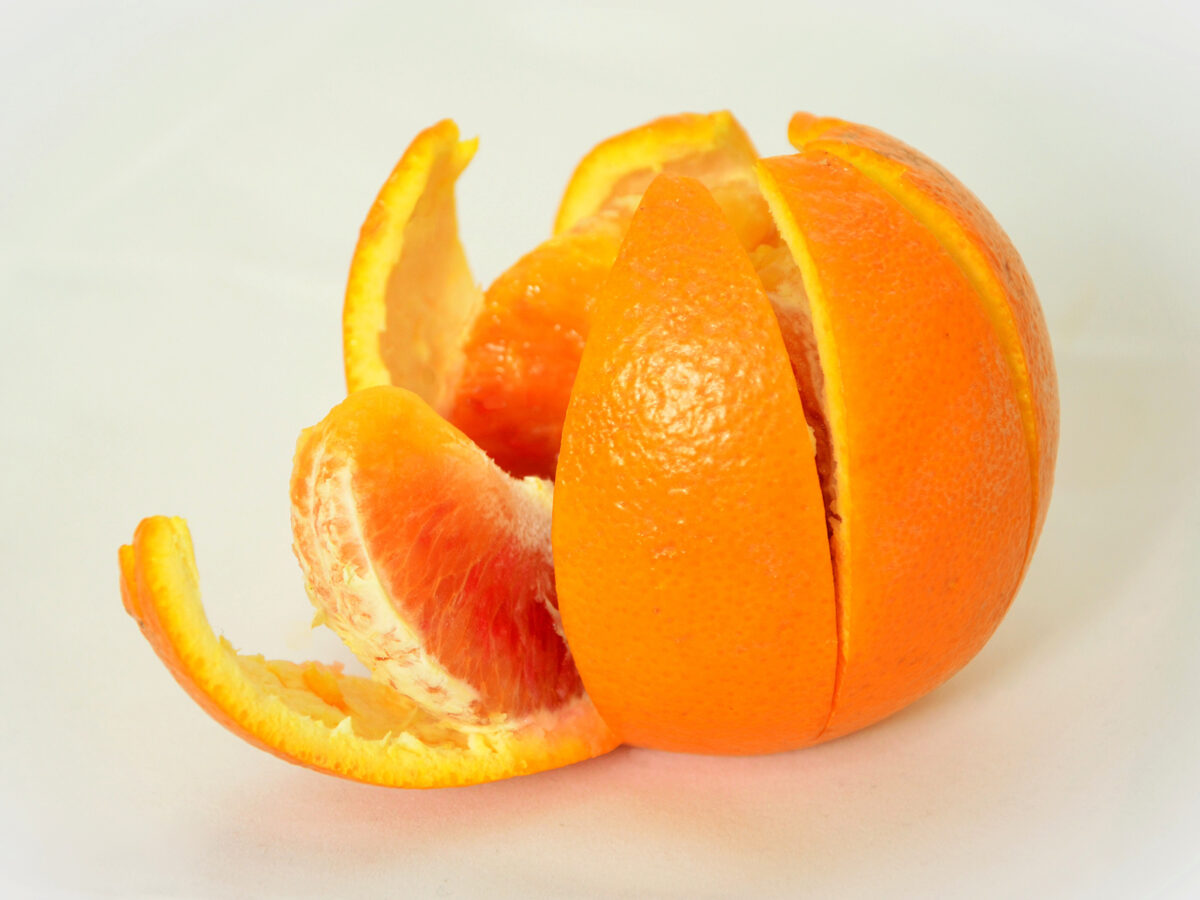
Many people enjoy eating fruit as part of a healthy lifestyle that keeps their bodies, including their teeth, in good health. Fruits such as lemons, kiwis, oranges, grapefruit, and strawberries are sweet and juicy and contain a lot of vitamin C. However, excessive consumption of these foods can damage your teeth. If you consume too much fruit every day, you may be at risk of tooth decay.

Do Fruits Damage Your Teeth? 

The health benefits associated with fruit are well known since it is packed with vitamins, minerals, antioxidants, and a variety of nutrients necessary for boosting immunity, protecting against diseases, and maintaining healthy skin, hair, and nails.

Nevertheless, since some fruits are naturally higher in sugar and acids than others, you may be concerned about the effects of fruit on your teeth. Fruit does not adversely affect your oral health. Even so, you must explore the impact of fruit on our teeth and how to enjoy the health benefits of fruit without compromising your dental health.

Fruit Sugars And Acids: How Do They Affect Your Teeth?

Fruits contain a wide assortment of health-boosting vitamins and minerals, as well as natural sugars and acids, both of which can damage teeth. Sugar can remain on the surface of the teeth for a long period of time and contribute to the growth of bacteria. A buildup of this bacteria can cause the enamel – the protective layer of the tooth – to become worn, making your teeth more susceptible to decay.

In addition, acidic fruits such as pineapple, grapes, and oranges can cause enamel erosion by softening the enamel. The following are signs of enamel erosion in teeth:

  • Sensitivity is increased
  • Intense discoloration
  • Getting Cracked
  • Teeth with rounded ends
  • Transparency

Does Fruit Cause Tooth Decay?

Despite initial assumptions that sugar, in fact, is responsible for enamel and tooth damage, it is actually acidity that causes the majority of the damage. No matter how hard the enamel is, it can be weakened and demineralized if exposed to excessive amounts of acid over time. Consuming fruit and fruit juices with a high acid content will initially result in the enamel becoming softer and discolored, which will eventually result in tooth decay. In terms of enamel erosion, different fruits have different effects based on their acid content.

To prevent erosion and tooth decay, it is not necessary to give up fruit. As long as you take precautions and limit the amount of acidic fruit in your diet, health professionals will always support and advise eating fruit and vegetables.

What Is The Best Way To Enjoy Fruits Without Damaging Your Teeth?

Do you think fruit is bad for your teeth based on what you know about sugar and acid? Yes, but only if you consume too much fruit. In addition, there are simple steps you can take to minimize the effects of sugar and acid on your teeth.

By eating fruits low in acidity and sugar, such as berries, peaches, and apples, you can adequately meet your daily vitamin and antioxidant requirements without damaging your teeth enamel. However, it is recommended to consume fruits that are very sweet or sour in moderation, such as pineapple or mango.

As a precaution, you should rinse your mouth with water after eating sweet fruits to remove any sugar left on your teeth. When it comes to the question, “Is fruit bad for your teeth?“the best answer is “everything in moderation.”

Despite the fact that some types of fruit contain sugars and acids that can be harmful to tooth enamel, fruit offers a wide variety of health benefits that make it a much healthier choice than sugar or processed foods.

Categories
Dental care

Is it ok to brush your teeth with baking soda?

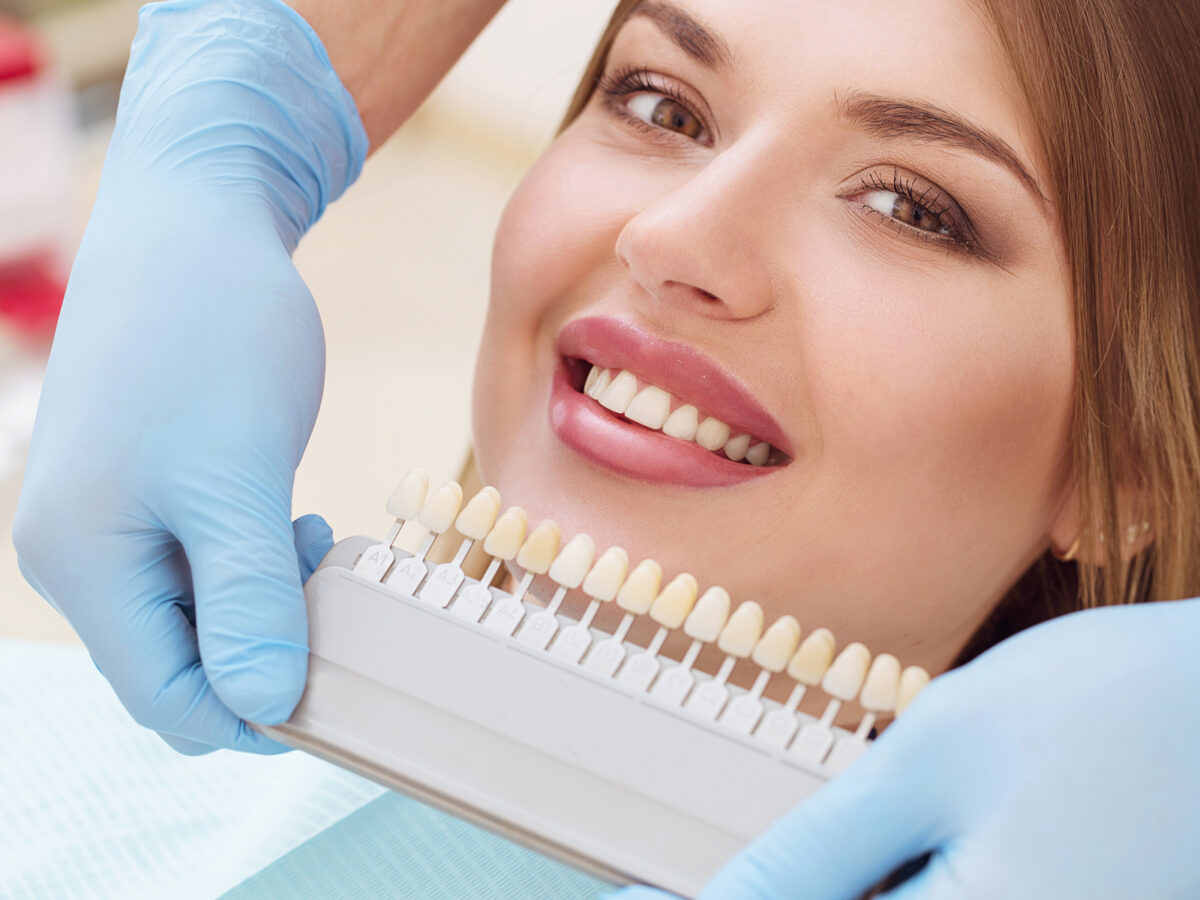
The use of baking soda can be an effective way of treating and whitening your teeth at home. While most people want the smile of celebrities, not everyone can afford expensive dental treatments such as teeth whitening and dental veneers.

Apart from toothpaste, there are many products in the market nowadays that can help you keep your teeth healthy, but not everyone can invest in those. And you would be surprised to know that baking soda is a natural teeth whitener and cleaner used for centuries.

We all have baking soda or sodium bicarbonate at our home but have you ever used it as toothpaste? Or have you ever wondered if it works? Or whether it is safe or not? Therefore, to answer this and many other questions, we have given a detailed view below.

Can you use baking soda on your teeth?

Unlike harsh abrasives, sodium bicarbonate is gentle but effective at removing tough stains from teeth like those caused by tobacco. Apart from killing bacteria, it also removes plaque buildup from the mouth.

In some cases, dentists recommend using it when the patient can not get effective results from regular toothpaste. In addition, baking soda acts as an alkaline solution when mixed with water, creating free radicals, which help remove surface pigment and plaque from teeth.

Furthermore, it is also beneficial to use it for mouth ulcers and bad breath because it balances acids from leftover food particles in the mouth. And if you wear any dental appliance like dentures, you can clean, whiten and disinfect it by using the same.

Can baking soda replace normal toothpaste?

Though baking soda has almost all the properties similar to toothpaste, it is not that effective in fighting cavities. Therefore, you should not completely replace your toothpaste with it. 

However, using it once per day on your teeth and dentures (if you wear any) with fluoride-based toothpaste can be very effective and healthy in the long run for your oral health.

Let’s see some pros and cons!

Below are some pros and cons of using baking soda that you must read before incorporating it into your brushing routine: 

Benefits:

  • Reduces the risk of plaque build-up and gingivitis
  • Help fight bacteria to a great extent
  • It does not have fluoride 
  • It helps whitens the teeth
  • Inexpensive 

Disadvantages: 

  • It can cause an adverse effect if used in large quantities
  • It has an unattractive taste and smell
  • Lack of fluoride
  • Does not fight cavity
  • It cannot be replaced with normal toothpaste

How to use baking soda in your brushing routine?

Here is how you can use sodium bicarbonate like a normal toothpaste in your daily oral care routine: 

Fill a small bowl or glass with baking soda. Make a paste by adding enough water to the bowl or glass. The baking soda should become a paste similar to toothpaste after mixing with small amounts of water.

Using a toothbrush, apply the paste to the bristles in the same way you would apply regular toothpaste. For maximum plaque removal and whitening effectiveness, brush your teeth for about two minutes with the mixture.

The final step is to rinse your mouth with clean water. You’re done! Brushing your teeth is the same as before, but you’ve just changed the product you use. You will begin to see the effects of the whitening over time. 

There should be an immediate difference in the smoothness and luster of your teeth. During this process, plaque that causes your teeth to feel dirty is removed from your teeth, and they are also whitened. Lastly, consult your dentist for the best results. 


Categories
Dental care

What age do people get crowns?

There are various reasons patients get crowns. One of the most common reasons your dentist will suggest you get a dental crown is broken, weak, or damaged teeth. For example, getting a dental crown/cap is your best bet if you are met with an accident, have weirdly broken teeth, or have cavities and want to restore your teeth’ condition. 

Though there is no minimum age to get a dental crown, most dentists suggest getting any cosmetic dental treatments, such as caps, implants, veneers, etc., after the age of 17 or 18. The reason behind this is placing a crown during the growing phase will not set on the gums perfectly and can move the tooth to erupt from its place, which can cause further damage.

Apart from some exceptions, getting a dental cap after 18 is better because it is a long-lasting and tolerable treatment. But you should also keep in mind that there are some exceptions, and you can get a dental cap when you have: 

  • Badly fractured molar teeth
  • Dental infection in the molar nerve
  • Have grinding or erosion issues
  • When the teeth are not properly developed
  • Accident or unevenly broken tooth/teeth
  • Decay or cavities

Now that you know you can get a dental cap in the severe conditions mentioned above, we will discuss some things you must keep in mind if you are getting a dental crown. 

What can you expect from a crown treatment? 

It can be a little overwhelming to track all things related to dental caps. Therefore, below is an explanation of things you should know about crowns: 

  • Dental caps protect teeth by encircling them like shells. The dentist will install a cap on a post, a metal rod that lands the crown to the tooth if the tooth is too damaged.
  • The method of crowns consists of placing an inlay core attached to the tooth’s root. After this process, an intermediate inlay core is used to set the cap after a preliminary intervention.
  • Firstly, your dentist will give you a local anesthetic and then shape the tooth to ensure the cap is placed correctly.
  • After the shaping, your dentist will take the impression of your tooth, which will help him to make a perfectly fitted custom dental cap.
  • Until your dental cap is ready, your dentist will fit a temporary crown to protect your damaged teeth.
  • Once your permanent crown is ready, your dentist will set it on your tooth or teeth.

These are the typical steps that are involved in any dental crown treatment. 

What should you expect after your dental crown treatment is done? 

Once you have consulted your dentist and he suggests you get a cap, it is vital to know what to take care of after the treatment. Though, if you are getting a dental cap after 18, it can be comparatively easier to manage its aftermath than someone below 18.

  • You must take care of the crown’s pain or displacement once your treatment is done. If you feel extreme pain or notice cap displacement, immediately consult your dentist.
  • Follow your oral care routine daily, and don’t forget to floss your teeth.
  • You might feel a little compression where your cap is fixed, but it is temporary and will go with time. 

Lastly, fixing a dental cap is a smooth and easy process, but it also depends on your age and how nicely you can handle its aftermath. Therefore, it doesn’t matter if you are 18 or 80; getting a dental crown is different at different ages.