Potranco Dental office

Categories
Dental care

What To Know About Emergency Root Canals?

The possibility of an emergency occurring at any moment is not uncommon, and dental emergencies are no exception. One such urgent dental procedure is an emergency root canal. In this article, we will examine what emergency root canals are, why they may be necessary, and what to expect during and after the procedure. So, let’s jump right into it!

Understanding What is Emergency Root Canals

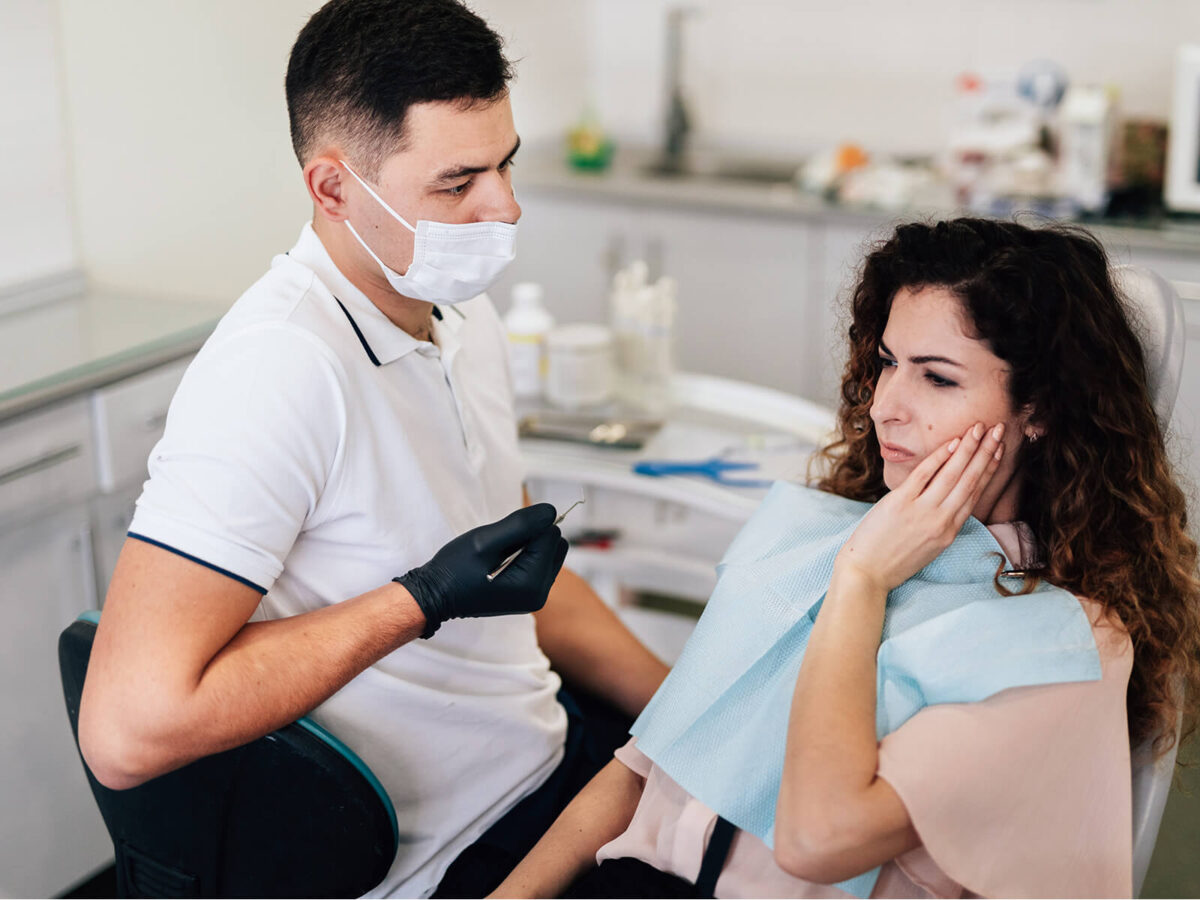
An emergency root canal is a dental procedure that is performed when a tooth’s pulp becomes infected or inflamed. This can happen due to deep decay, trauma, or a cracked tooth. The pulp is the innermost layer of the tooth that contains nerves, blood vessels, and connective tissues. When it becomes infected, it can cause severe pain and can lead to abscess formation if left untreated.

What are the Common Reasons for Emergency Root Canals?

Here are some common reasons for emergency root canals that you should know about to handle the situation promptly:

  • Severe Tooth Pain: One of the primary reasons for needing an emergency root canal is intense and persistent tooth pain. It especially occurs when you chew or apply pressure on the affected tooth.
  • Swelling or Abscess: Infected pulp can lead to swelling in the surrounding gums, which can progress to an abscess. An abscess occurs when pus forms around the tooth root.
  • Sensitivity to Temperature: If you experience heightened sensitivity to hot or cold foods and beverages, it could indicate pulp inflammation, necessitating a root canal.
  • Trauma or Injury: A tooth that has suffered trauma or injury, such as a fracture or deep crack, may require an emergency root canal. It can prevent further complications.

What is the Procedure for an Emergency Root Canal?

Before the procedure begins, your dentist will numb the affected area using local anesthesia to ensure you are comfortable throughout the process. Next, they will create an opening in the tooth to access the infected pulp and remove it along with any debris or bacteria. The root canal space is then cleaned, shaped, and filled with a biocompatible material to seal off the tooth’s interior and prevent infection from spreading. In some cases, a temporary filling or crown may be placed to protect the tooth until a permanent restoration can be completed.

What is the Aftercare and Recovery?

Now that we have covered everything about an emergency root canal let us see what aftercare and recovery steps you should be taking:

If you’ve had an emergency root canal, it’s essential to follow your dentist’s post-operative instructions diligently. This can include taking prescribed medications, practicing good oral hygiene, avoiding hard or crunchy foods, and attending follow-up appointments as scheduled. Most patients experience relief from pain and swelling within a few days, although full recovery can take a few weeks.

Conclusion

Emergency root canals are necessary to save infected or damaged teeth and reduce severe dental pain. If you experience symptoms such as persistent toothache, swelling, or sensitivity, don’t hesitate to contact your dentist for an evaluation. Always remember that early intervention can prevent further complications and restore your oral health and comfort.
Categories
Dental care

Dental Sealants Can Improve Your Oral Health

Dental sealants are a proactive way to protect your teeth from decay and promote overall oral health. In this comprehensive article, we discuss the benefits of dental sealants, stressing their function in preventive dentistry and providing practical sealant care suggestions.

Understanding Dental Sealants: Protection against Decay

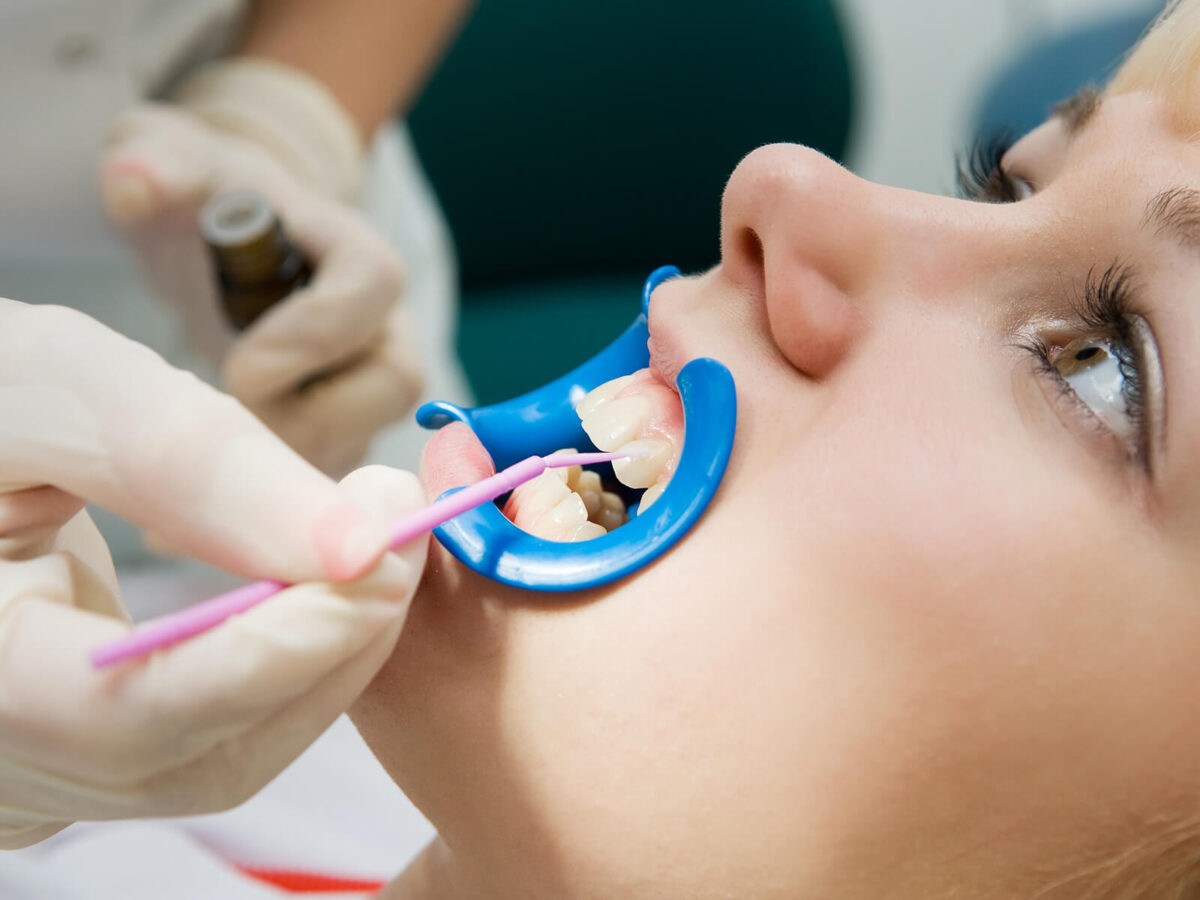
Dental sealants are thin protective coatings placed on the chewing surfaces of molars and premolar teeth. These sealants operate as barriers, keeping germs and food particles from entering the grooves and cracks of the teeth, which are frequently difficult to clean with regular brushing.

We emphasize the importance of sealants as a preventative step against tooth decay. According to studies, molars and premolars are especially susceptible to decay due to their complicated surfaces, making sealants an essential tool in oral health protection.

Dental sealants provide preventive benefits, including preventing decay in hard-to-reach areas. We promote the need for dental sealants to avoid cavities in locations where toothbrushes cannot easily reach. The molars and premolars, ideal candidates for sealant treatment, benefit from this extra layer of protection.

Early Intervention for Children

We emphasize the need to use sealants on youngsters in preventive dentistry. Applying sealants to permanent molars as soon as they appear can provide long-term protection during a critical phase when dental hygiene habits develop.

Cost-effective Prevention

Dental sealants are a cost-effective preventive strategy. Investing in sealants may save people money on future cavity treatments and invasive dental procedures.

Long-term Protection

Sealants provide long-term protection, with many treatments lasting multiple years. Regular dental check-ups allow dentists to assess the state of sealants and propose reapplication as needed.

Our Approach to Dental Sealants

  • Customized Sealant Recommendations
    We take a patient-centered approach, making personalized sealant recommendations based on unique oral health requirements. Our commitment is to design preventive dentistry strategies for each patient’s needs.
  • Informative Patient Education
    We focus on patient education, offering informational tools to help patients understand the benefits of dental sealants, enabling them to make informed decisions about their oral health.

Sealant Maintenance Guidelines

We understand the necessity of sealant maintenance. Our article contains practical advice for keeping sealants effective, such as avoiding chewing on hard items and scheduling frequent dental check-ups for professional examination.

Sealant Maintenance: Practical Advice for Long-Term Effectiveness

  • Establishing Good Oral Hygiene Practices
    To supplement the protective benefits of sealants, we recommend practicing good oral hygiene, such as brushing and flossing regularly. Consistent oral care is critical to overall oral health.
  • Avoid Chewing on Hard Objects
    Patients are encouraged to avoid habits that could jeopardize the integrity of sealants. Refrain from chewing on hard things like ice or pencils to prevent extra stress on the sealant surfaces.
  • Getting Regular Dental Checkups
    Regular dental checkups are essential for evaluating the state of sealants and ensuring their continued effectiveness. We urge patients to make regular appointments for professional examinations and, if necessary, sealant reapplication.

Conclusion

We discussed the preventive benefits of dental sealants and underline their importance in maintaining oral health. The article is a detailed reference for readers, providing insights into the benefits of sealants and practical advice for long-term efficacy.

As a final step, we encourage readers to take proactive measures for their oral health by considering dental sealants as part of their preventive dentistry strategy. Those who choose to work with us can benefit from specialized care, access to educational resources, and a commitment to maintaining optimal oral health through the use of dental sealants.