Potranco Dental office

Categories
Dental care

Foods To Avoid Before And After A Cosmetic Dental Procedure

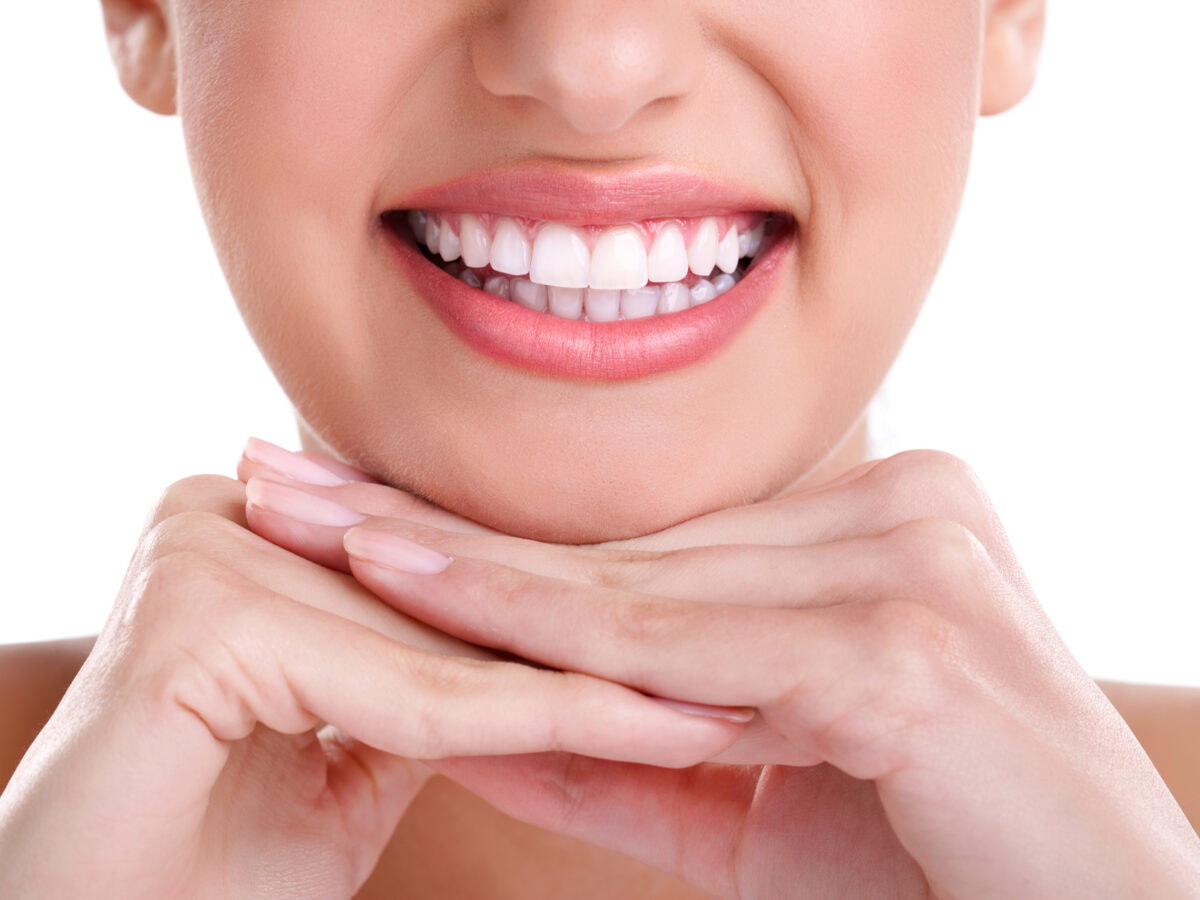
You can get your dream smile easily nowadays with advancements in cosmetic dentistry. Cosmetic dentistry is a branch that aims to improve your teeth alignment, fill gaps, if any, and shape your teeth so that you get a dazzling smile with even teeth. These cosmetic procedures have gained popularity in today’s era when we all want to look and feel our best.

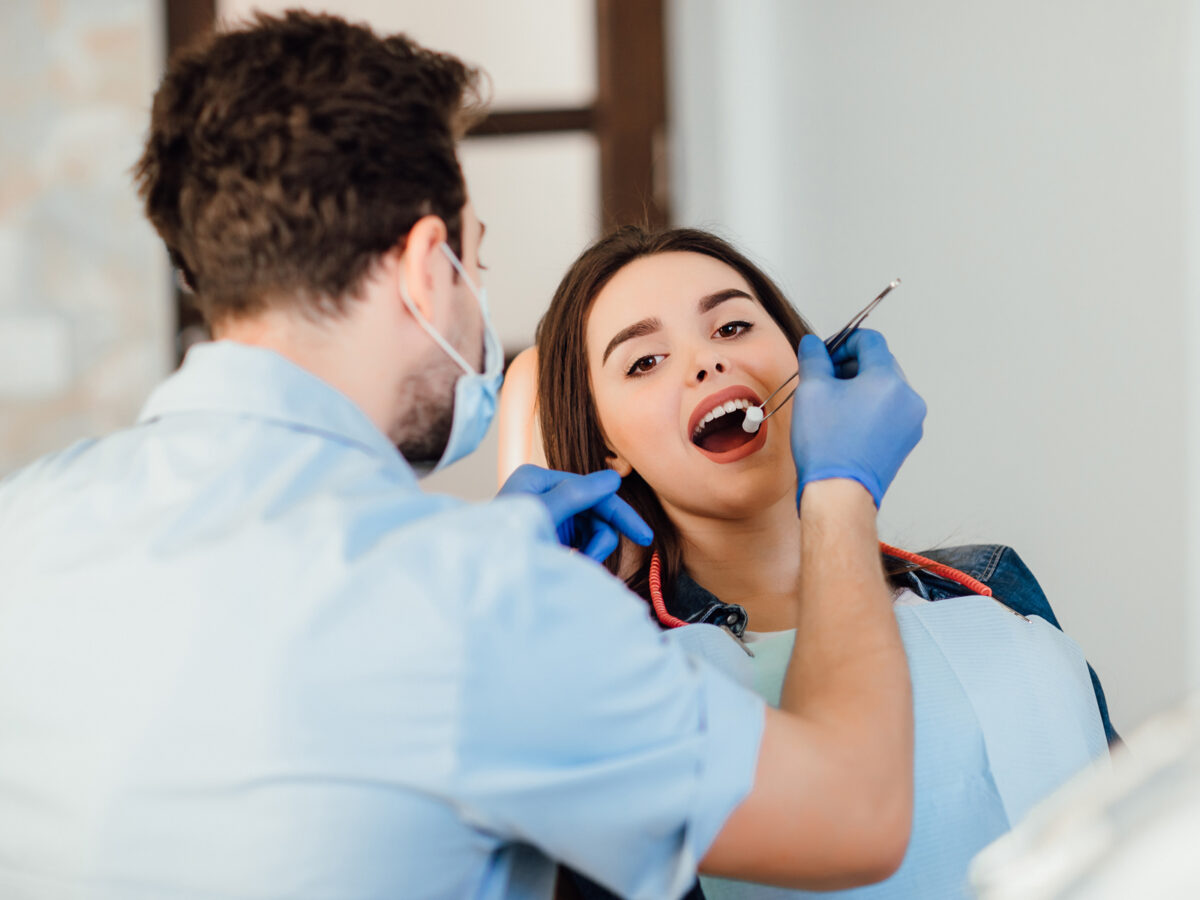
Before any cosmetic dental procedure, you need a preparation phase which could be exciting and scary at the same time. As you look forward to your new gorgeous smile, you also wonder what foods you can eat before and after the procedure. Though each patient might be undergoing a different treatment, we all need to avoid some common foods and drinks before and after the treatment.

So if you are interested in getting a cosmetic procedure done, here is a list of foods you must avoid while you are preparing for your treatment and post-treatment.

What Are The Different Cosmetic Dental Procedures?

Cosmetic dentistry improves both the appearance and the function of your mouth through various treatments. Some of the common ones are:

  • Implants – If you have missing teeth, implants are a great alternative to dentures. They become a permanent part of your mouth after the gums and bones have fused.
  • Teeth whitening – The dentist uses a bleaching agent to whiten and brighten your teeth. The treatment also involves a thorough cleaning of the mouth before whitening your dentitions.
  • Inlays and outlays – These are also termed indirect fillings and are used to fill cavities that are either too large for regular fillings or too small for crowns. Inlays cover the cusps of your tooth, while onlays cover the tooth’s surface.
  • Dental veneers – Made from medical-grade ceramic, veneers can cover an impacted tooth with natural-looking thin covers. You would get a custom-made veneer that suits your tooth’s size, shape, and color and blends seamlessly with your natural pearly whites. They can correct a range of issues, such as damaged enamel, gaps in teeth, etc.
  • Cosmetic bonding – In this procedure, your teeth get a healthy makeover by covering their cracks, worn edges, and chips. It uses a composite material that matches the color of your enamel.

Foods to Avoid Before the Cosmetic Dental Procedure

Your cosmetic dentist would definitely give you specific instructions on how to prepare for the treatment, but as a rule of thumb, you should not consume the following foods right before your appointment:

  • Foods that stick to your teeth – Foods such as pasta, bread, crackers, meat, popcorn, etc., have a tendency to get stuck between your pearly whites. It is best to stay away from such foods because not only would your dentist find it harder to work with an improperly cleaned mouth, but it also increases the risk of complications. 

It is vital that you brush and floss thoroughly before your appointment to provide a clean mouth to your dentist to ensure they can perform quality work.

  • Heavy meals – Though it is ok to eat something right before your cosmetic procedure, it is best to keep the meals light and nutrient-dense. With a heavy meal, you might end up having an upset stomach, or at worst, you might experience nausea during the procedure, especially if the dentist needs to use anesthesia.
  • Spicy foods – Just like heavy meals, spicy foods can also upset your stomach, which can make the treatment time difficult for you. To avoid discomfort of any kind, go for light, nourishing, and easily digestible food before your treatment.

Foods to Avoid After the Cosmetic Dental Procedure

In general, recovery post any cosmetic dental procedure is straightforward though it varies from person to person and also on the type of treatment done. If you wish to speed up your recovery time, then you must avoid some foods and drinks for a week or so after the treatment. Your dentist would give you specific instructions to follow, so it goes without saying that those need to be followed religiously.

  • Very crunchy or hard foods – Your mouth would be a bit sore after the treatment and would need time to recover. If the doctor had used anesthesia for the procedure, then your mouth could also be numb for a few hours post-treatment. 

It is vital to stick to soft foods for a few days to avoid any injury or complications. Eating hard food would not only hurt your mouth, but it might also damage the work that you just got done. In general, you should avoid any hard foods for a week post-treatment.

  • Heavily pigmented beverages or foods – You would surely like to preserve the cosmetic treatment for as long as you can, so it is best to avoid staining drinks and foods such as red wine, coffee, black tea, berries, colas, etc. 

These foods and beverages can stain your dental work, and you might need to redo them if they cannot be removed easily. If you find it too hard to give up on your morning coffee, make sure to brush your teeth (or at least rinse) immediately after consuming it.

  • Gummy or sticky foods – You can risk your recently performed dental work by eating sticky foods such as gummy bears, candy, caramels, etc. For instance, if you have veneer or dental bonding done, such food can get stuck to your dentition and pull the veneer or the bonding out while chewing on them.

The cosmetic dental procedure is like a breath of fresh air for most of us who crave a beautiful smile. It also improves the functioning of our mouth by correcting chipped teeth, gapped teeth, and many other problems. If you plan on getting any cosmetic dental treatment done, you would need to follow some food restrictions before and after the treatment, as explained in this article.
 

Categories
Dental care

Are Silicone Toothbrushes Better?

You brush your teeth to get rid of plaque and bacteria which is present on your teeth surface. Plaque is a thin film of bacteria that is quite soft and gets removed easily. Your oral health depends a lot on what kind of brush you use. A soft-bristled toothbrush is deemed apt for brushing by dental professionals as it is not too abrasive to erode your tooth’s enamel.

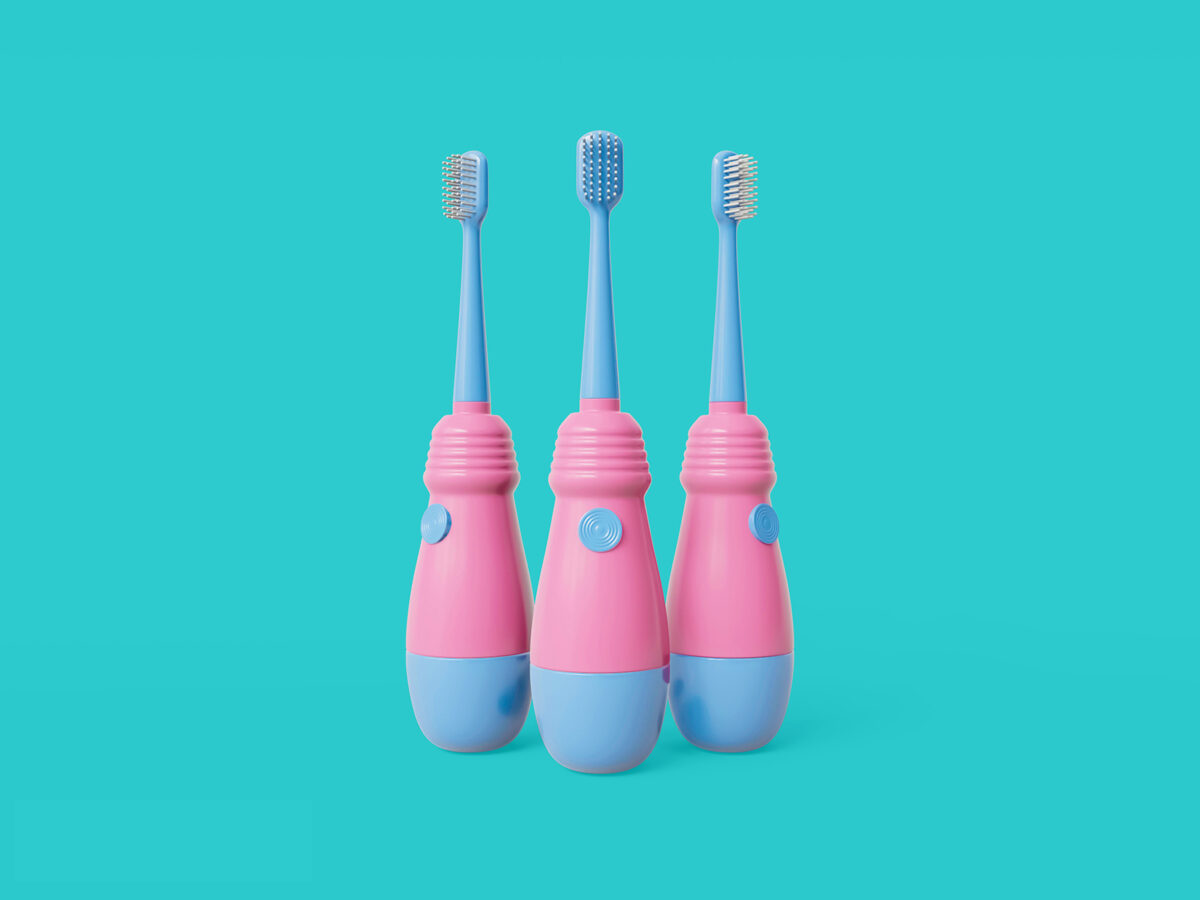
Silicon toothbrushes are the latest entry into the category of toothbrushes, and for those with extra sensitive gums and teeth, these brushes prove to be extremely beneficial. Silicon brushes are quite similar to common brushes except that instead of nylon, the bristles of these brushes are made of silicon. These brushes have gained a lot of popularity recently and are used more commonly for infants and children. But a few companies have launched adult electric silicone toothbrushes using innovative silicon technology, which has changed the game in the oral hygiene market.

As you go through this article, you would learn more about what silicone brushes are, how they really work, and how they fare compared to traditional nylon brushes.

Journey of Toothbrush Bristles

It was in 1938 that nylon was used for the first time to make bristles, and this brought modern-day toothbrushes into existence.

  • Before nylon, it was boar’s bristles that were used in brushes since the 1400s.
  • Nylon brushes were much more flexible than their predecessor and natural hair bristles.
  • It was easy to produce nylon bristles in bulk.
  • Nylon bristles broke less and were easier to clean.
  • Silicone bristles replaced nylon with silicone or rubber with slightly longer, and much softer bristles.

Details of Silicone or Polysiloxane Brushes

A polysiloxane toothbrush is made with silicone or rubber, and not nylon like regular brushes.

  • Most polysiloxane brushes are made completely of silicone or synthetic rubber where not only the bristles but also the body and head of the brush are made of polysiloxane material. 
  • The size of the bristles on polysiloxane brushes is larger than normal brushes and these brushes are also much softer.
  • There are both manual and electric varieties of these brushes available in the market.
  • These brushes come in various sizes, shapes, and colors and are more aesthetically pleasing than normal toothbrushes.

Benefits of Silicone Toothbrushes

These soft brushes are surely going to make their way into everyone’s oral kit very soon. Even if someone is not aware of proper teeth brushing techniques, they can not go wrong with silicone brushes as they will not harm your gums and teeth.

  • Very gentle on your teeth and gums – These bushes are extremely gentle on your teeth which aids you in thoroughly cleaning your teeth and mouth. With such proper cleaning, you get protection against gingivitis and other oral health-related issues.
  • More effective than nylon brushes – Some studies also show that polysiloxane bristles are more effective in eradicating plaque from your teeth than regular brushes. 
  • More hygienic – The polysiloxane brushes are made of non-porous material which does not harbor much bacteria. Due to this property, these brushes are more hygienic than the traditional ones. They are also easier to clean after every use.
  • Perfect fit for sensitive teeth and babies – WIth harsh brushing there is a risk of damaging your enamel but with silicone brushes, this damage is much less. If you put too much pressure on nylon brushes, your enamel can erode and lead to sensitivity in teeth. On the contrary, polysiloxane brushes protect your enamels from wearing off and prevent teeth sensitivity.
  • Your teeth look glazed – The bristles of silicone toothbrushes cause less friction when brushed against teeth and your teeth get a polished look.
  • Helps with bleeding gums – Since these brushes are softer on your gums, they reduce the chances of tearing of gums, bleeding gums, painful gums, and gum infections when you use them. With these ultra-soft brushes, you get a massaging effect on your gums which makes them stronger and healthier.
  • They dry faster – Since these brushes dry faster than normal bamboo or nylon brushes, it reduces the chances of bacteria flourishing on them. Fast drying also keeps cockroaches and other pests away.

How to Use Polysiloxane Brushes

These brushes can be used just like conventional brushes with the right brushing technique as recommended by your dentist.

  • Apply toothpaste on the bristles and brush your teeth for two minutes using the proper brushing technique.
  • If you are using the electric version of these brushes, then you do not need to worry much about the technique. An electric brush would hardly take a few seconds to clean your mouth. You just need to put it in your mouth, and the device would do its work on its own.
  • Rinse off the mouth with water and clean the bristles. 

Cleaning Silicone Toothbrushes

Never use alcoholic mouthwashes, acetone, or any such detergents or liquid to clean your polysiloxane brushes. Silicone can easily get damaged by such harsh materials.

  • Just run some water on the bristles and use your fingers to clean the brush.
  • Some brands of silicone electric toothbrushes also provide cleaning substances or sprays for cleaning your brush. You might also be provided with some extra toothbrush heads, which you would need to change every three to six months. In general silicon toothbrushes’ heads do not need to be changed as often as the normal nylon ones.

Silicone toothbrushes are the latest buzz in the dental world and will soon be everyone’s popular choice. These brushes are much softer than normal ones and cause much less damage to your enamel. But no matter what toothbrush you use, you must follow the guidelines for proper brushing and schedule regular visits to your dentist for general cleaning and checkups.

Categories
Dental care

How Can A Dentist Treat Sleep Apnea?

A person with sleep apnea experiences breathing pauses that last longer than 10 seconds and happens as frequently as 30 times per hour while asleep. Even after a full night of sleep, this might cause excessive daytime sleepiness. 

What is sleep apnea?

A significant sleep problem called sleep apnea is characterized by breathing pauses while you’re asleep. Breathing pauses can occur repeatedly in those with untreated sleep apnea, possibly hundreds of times in a single night. Obstructive sleep apnea (OSA), which is the most prevalent type, is one of three types of sleep apnea. OSA happens when the upper airway is partially or completely closed while you sleep. As a result, the diaphragm and chest muscles have to work harder to open the airway, which can reduce the amount of oxygen reaching the body’s important organs, obstruct restful sleep, or even result in an irregular heartbeat. Frequently, breathing resumes with a loud gasp or jolt of the body.

Here are a few ways a dentist can treat you

Dental sleep medicine

Dental sleep medicine, which uses mouth appliances to treat snoring and obstructive sleep apnea (OSA), enables dentists to deal with this problem. When the muscles in the throat relax, the tongue and surrounding tissues block the airway, resulting in OSA. A dentist’s oral appliance therapy can aid in maintaining an open airway while you sleep.

Mandibular advancement devices

Mandibular advancement devices, which look like mouthguards and move the lower jaw forward, are the oral appliances most frequently used to treat sleep apnea. The muscles that collapse during apneas tighten up as a result, making them less prone to collapse. The airway can become stronger and more stable with continued use of these devices, potentially lowering or eradicating apneas. Some tools can be adjusted to accommodate different jaw placement needs. To assess if a patient is a good candidate for mandibular advancement devices, dentists examine the patient’s teeth, mouth, and temporomandibular joints. If so, they develop models of the patient’s teeth to make dental appliances that fit them properly because improperly fitted devices can harm the jaw. To control the symptoms of their sleep apnea, patients wear these devices at night.

Tongue retaining devices

A wider range of patients can employ tongue-retaining devices despite their less widespread use. These oral devices maintain the tongue’s forward position, which aids in maintaining an open airway. Dentists work closely with their patients to make sure that mouth appliances effectively lessen the symptoms of sleep apnea. Even though it could take a few days to get used to these gadgets, continual use and routine monitoring can produce the best outcomes.

Effects of sleep apnea

Diabetes, hypertension, stroke, arrhythmias, congestive heart failure, and cardiomyopathy (enlargement of the heart’s muscular tissue) can all develop as a result of untreated obstructive sleep apnea. Additionally, it might result in work-related mishaps, job impairment, car accidents, academic underachievement in kids and teenagers, and more.

How do dentists play an important part?

Dentists play a crucial part in combating the rising hazard of sleep apnea and other respiratory diseases associated with sleep. According to the American Dental Association (ADA), dentists can help diagnose patients with these conditions by gathering a thorough medical history and spotting any signs that might call for a doctor’s referral. Dentists with training in dental sleep medicine can assess a patient’s potential benefit from an oral device following a physical examination, diagnosis, and sleep test. The dentist must deliver proper oral appliance and ensure it suits the patient. To monitor development and guarantee the patient receives the best possible care, the dentist will keep in touch with the doctor.

Categories
Dental care

What Is The Purpose of Teeth Polishing?

Are you looking for a solution to remove teeth stains but don’t know how? Teeth polishing is one such dental process that can bring back the shine of your teeth. Also referred to as Dental polishing, it is a procedure to remove stains and deposits from the tooth’s surface. 

The teeth polishing will help you with a radiant smile and save your teeth from gum ailments. Moreover, this procedure entails removing stains with soft cups made from rubber. Teeth polishing can help in preventing upcoming cavities or gum ailments. Read this article to learn more about the same. 

What is the purpose of Teeth Polishing?

Teeth polishing is an easy procedure that has no pain and causes no discomfort, and it leaves a smooth and beautiful feel of teeth after the process. It is advised to undergo teeth polishing every six months to save your teeth from problems and prevent teeth-related issues too. 

The purpose of teeth polishing is as follows:

  • No buildup: Teeth can lose their brilliance with scaly buildups on the enamel. Dental plaque can be easily seen on the enamel even if you maintain oral hygiene. Teeth polishing is known for removing the buildups on teeth. It can be calcium deposits or tartar that create an extra layer over the teeth. 
  • Enhances teeth appearance: Simple brushing won’t help with regaining the lost shine of teeth. But, Teeth polishing can help improve teeth’ appearance. Teeth will look brighter, and no stains will be left on the teeth.  
  • Screening of oral diseases: Plaque built-up can result in poor oral conditions, leading to several other troubles. Buildups can also worsen teeth conditions, and tooth polishing is the best rescue to fight against such oral ailments. 
  • Protects Teeth Enamel: Teeth Enamel protects the sensitive areas of teeth underneath it. But, there is only one replacement of enamel if it gets damaged. Enamel can be covered with the help of dental polishing. 
  • Removal of Harmful Oral Bacteria: Teeth polishing aids in removing all the harmful oral bacteria from the mouth. It can assist in enhancing oral hygiene by giving no space for bacteria to flourish or grow in the mouth. 

How Do Teeth Polishing Work?

Teeth polishing does wonders for your overall dental health. The dentist recommends undergoing such treatment to protect the enamel and increase hygiene. It is vital to make polishing a part of every dental hygiene regime. The dentist cleans the teeth with the help of dental instruments such as picks or scalers. 

This dental polishing leaves you with a minty flavor, so you don’t need to worry about discomfort after the procedure. This procedure lasts around one to one and a half hours. There are two ways of doing the whitening or polishing treatment:

  • The dentist applies a coarse paste and uses a rotational tool over the rubber cup. Then, it is rubbed over the surface of the teeth, and it will remove the excess plaque and stains from the teeth.
  • The second procedure entails teeth polishing by air and water jet. The dentist can use glycine or sodium bicarbonate by alternating between the techniques mentioned above, and it is a less invasive method. Also, it can protect sensitive teeth by removing the deeper stains too. 

Wrapping Up

Teeth polishing will hone the surface of your teeth. Some people may like to skip this procedure but need to take advantage of the benefits of this process. But opting for dental polishing is a great idea. 

Also, it is a preventive action against all teeth and gum-related ailments. You can undergo this procedure with the consultation of a dentist. Get ready to flaunt the spotless yet bright smile today.