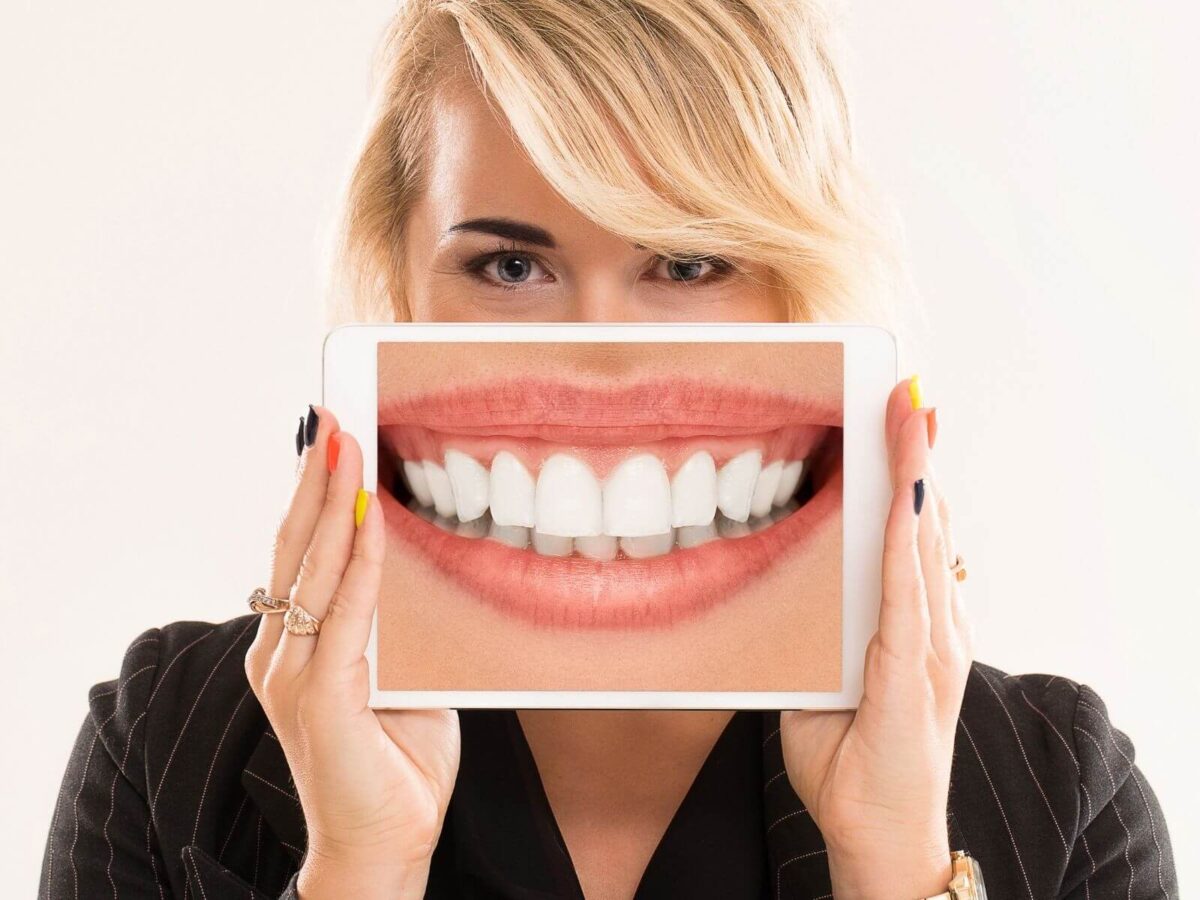
The laser teeth whitening procedure is an effective method for removing stains and brightening yellowed teeth, helping to enhance the quality of your smile. This lasting solution can boost self-esteem and improve self-image. Various techniques are available to achieve these results, with in-office laser treatments being a popular choice. However, it’s important to be aware of potential risks associated with teeth whitening procedures.
What is Laser Teeth Whitening?
Laser teeth whitening is a popular choice for those seeking a brighter smile. The procedure involves applying a bleaching gel to the teeth and using a laser to enhance the whitening effect. While laser teeth whitening is effective, there are other advanced whitening options worth exploring.
One major benefit of laser teeth whitening is its speed—often delivering noticeable results in a single session due to the laser’s ability to accelerate the bleaching process. It’s generally a low-pain, low-side-effect procedure compared to other whitening methods.
However, there is a downside to consider. While laser whitening is faster than alternatives like veneers or bonding, maintaining the brightness may require periodic touch-up treatments.
But does laser teeth whitening have any side effects? This is a question that most people who would be interested in any teeth whitening product or procedure would want to know.
Teeth whitening treatments utilize peroxide-based bleaching agents to break down stains and discoloration. Stubborn stains from coffee, tea, wine, or tobacco can be particularly challenging to remove. In-office whitening treatments, while generally more effective and cost-efficient than at-home products, do come with a drawback: they often require more time to achieve optimal results.
Teeth whitening treatments can sometimes cause heightened sensitivity in the teeth or gums, especially when higher concentrations of bleaching agents are used. Therefore, it’s essential to consult a dental professional to determine the most suitable approach for you. They can provide guidance on safely whitening your teeth while minimizing the risk of sensitivity or other adverse effects.
Risks of Teeth Whitening
Dental bleaching, or teeth whitening, is a popular cosmetic procedure to brighten your smile. However, like any cosmetic treatment, there can be potential side effects or adverse outcomes. Additionally, certain stains may not respond as effectively to whitening treatments. It’s important to consult with your dentist before undergoing any teeth whitening procedure to ensure it’s the right choice for you and to minimize any potential risks.
Tooth Sensitivity
A common issue many face after teeth whitening procedures is increased tooth sensitivity, ranging from mild discomfort to extreme pain. The bleaching agents used can potentially damage the enamel, either temporarily or, in the worst case, causing long-term sensitivity. To reduce this risk, it’s advisable to have teeth whitening performed by a professional dentist or dental surgeon. Additionally, avoiding hot or cold foods and drinks after the treatment is recommended to minimize discomfort. When considering professional teeth whitening, weighing the benefits against the potential for increased tooth sensitivity is important.
Gum Irritation
One potential side effect of teeth whitening is gum irritation, which can occur whether the procedure is done professionally, at home, or using a do-it-yourself kit. The bleaching agents in these products can irritate the gums, leading to discomfort. To avoid this, first-time users should be careful not to apply the product to their gums and follow the instructions carefully. It’s also beneficial to consult a dental professional who can provide a custom-fit dental tray to help prevent gum irritation. The whitening treatment may cause rashes or other reactions in individuals with sensitive gums. If any side effects occur, it’s important to seek advice from a dentist on the best course of action to relieve discomfort.
Enamel Damage
Your teeth enamel plays a major role in preventing germs and cavities from attacking your teeth. However, people should know that such procedures can harm the enamel of the teeth if applied improperly or too frequently. Potential outcomes include sensitivity, pain, or white spots on your enamel, and your overall dental health can be affected. It is, therefore, advised that one consult his dentist if he wishes to use any of the whitening products. You can brighten your teeth without harming your enamel in many ways, all of which can be discussed with your dentist. As they always say, an ounce of prevention is better than a pound of cure, especially regarding the dental health of your teeth.
Measures to Take Before Deciding to Get Your Teeth Whitened
Potential patients should discuss with their dentist to find the most appropriate course of action in a teeth whitening process. Teeth whitening treatments help to regain the natural color of teeth and produce the desired result of a beautiful-looking smile. However, its risks and side effects include tooth sensitivity, gum irritation, and inflammation of the gums. Your dentist can also offer advice on potentially safer alternatives, including using natural and over-the-counter products or professional cleaning at your dentist’s office. Also, ensure you follow the instructions very closely to avoid the destruction of the enamel on your teeth by excessive application of the products. Moreover, proper oral hygiene is also effective regarding the duration of the teeth whitening results.
Post-treatment Care for Teeth Whitening
It is especially important to remember after a teeth whitening treatment that to keep your teeth looking as white as possible, you have to take proper care of them. First, do not eat or drink anything that can cause staining for the next 48 hours after the appointment.
Apart from habits such as brushing the teeth in the morning and before bedtime and flossing the teeth, there is a need to take your teeth for a general checkup to determine the health of your teeth and gums. Retreatment after a few months also assists in maintaining the brightness of your teeth for a few more months. To maintain the brightness, you need to follow these steps in post-treatment care to have the smile you want for months.
Conclusion
To summarise, teeth whitening is now a common cosmetic dental practice that can help increase self-esteem and oral function. However, one should be aware of all the things that we have mentioned above whenever they get some treatment from teeth whitening, which may result in some side effects like sensitive teeth, irritated gum lines, and demineralization of the teeth enamel. If you would like more information regarding professional teeth whitening treatments or what the process will be like, please call Potranco Road Dentist, TX, today.