Potranco Dental office

Categories
Dental care

What are the blue dots on my Invisalign?

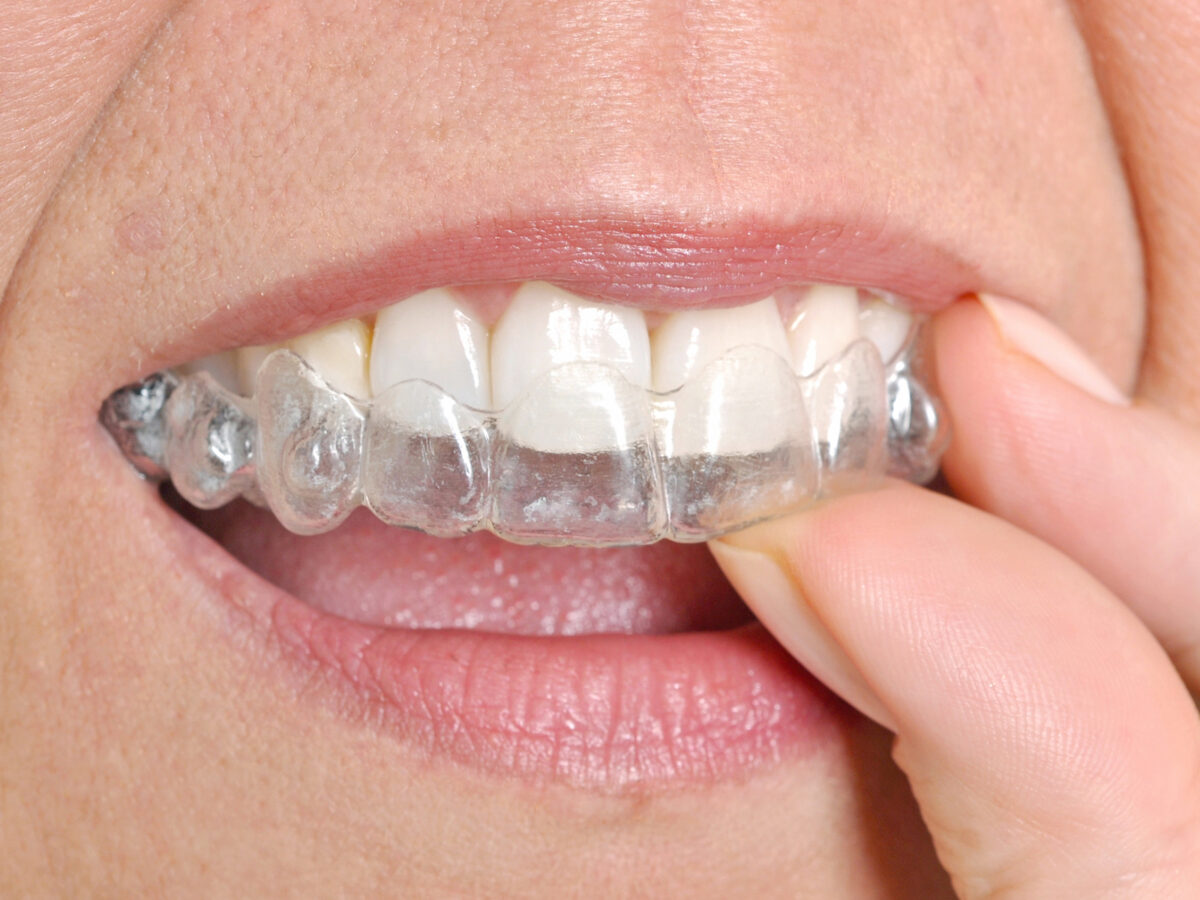
The blue dot on Invisalign is called a compliance indicator. Invisalign Teen Compliance Indicators are a series of blue dots on the backs of the aligners. The dots can’t be seen when the aligner is worn. The blue dots will slowly fade away over the two weeks when the aligners are worn. If you fail to wear the aligners as you should not, the blue dots will still be visible to your orthodontist. 

The compliance indicators can also tell the orthodontist if the treatment is effective. For example, if a patient has been diligent about wearing the aligners as prescribed, yet the hoped-for tooth movement is not taking place, the orthodontist can adjust the treatment plan accordingly.

Why is a blue dot or compliance indicator important in Invisalign?

If the orthodontist consistently sees the blue dots when the patient comes back for checkups, they’ll be able to tell that the patient is probably not following directions for aligner wear. This will allow the orthodontist to remind the patient and their parents about why wearing the aligners as recommended is important. The orthodontist may even discuss other treatment options such as traditional metal braces if the patient can’t or won’t comply with Invisalign treatment instructions.Since Invisalign aligners are removable patients can take them out to eat, drink, and care for their teeth. This might make it tempting to remove them more often than prescribed and that’s where Invisalign Teen Compliance Indicators come in. In addition, the blue dots or compliance Indicators help remedy this problem, making it easier for the dentist to tell if their patients are following directions.

Lastly, if you face any problem with your Invisalign treatment it is essential to consult your dentist for proper treatment and guidance.

Categories
Dental care

Is Invisalign faster than braces?

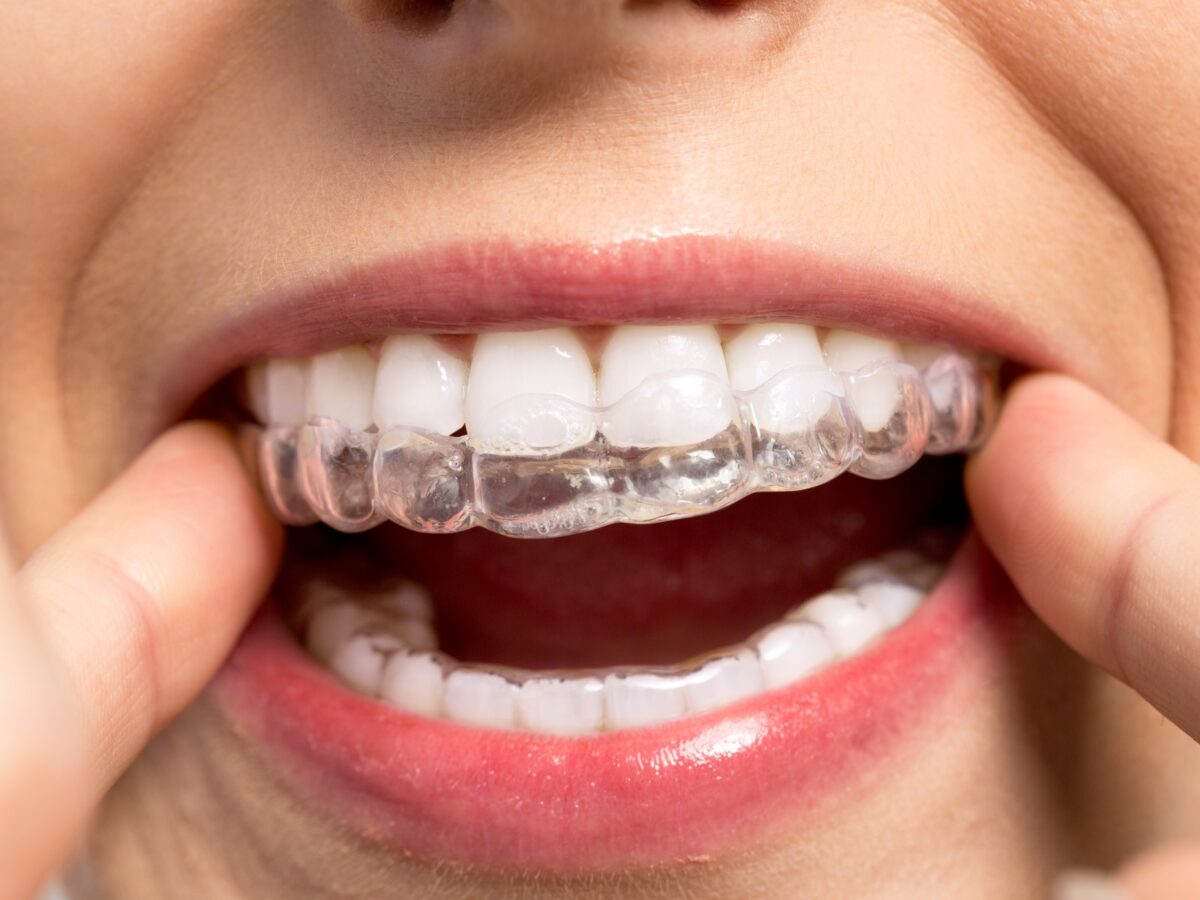
Both Invisalign and traditional metal braces are effective teeth straightening treatments. However, both have pretty different approaches to teeth straightening. The traditional metal braces have elastic wires and brackets, which help shift your teeth to the desired position. In addition, Invisalign aligners are clear plastic braces and do not have elastic or wires. Apart from these, various other distinctions make Invisalign different from traditional braces. When it comes to saying which one is faster in terms of treatment, a few things come into play.

It is important to understand that the time of the treatment solely depends on the condition of your tooth. If your teeth are not significantly misaligned or crooked it will take less time compared to more serious cases. However, Invisalign aligners are faster compared to traditional metal braces. In general, the Invisalign aligners take around 9-14 months (including complex cases) and on the other hand, traditional braces can take up to 2 years or more to perfectly align your teeth. For example, if you have minor imperfections or misaligned teeth, it could take up to 6-7 months to see the desired results with Invisalign, and in more complex cases like crossbite can take up to 12-14 months. However, Invisalign is faster in showing visible results than traditional metal braces.

Benefits of using Invisalign aligners

There are several benefits apart from the treatment time why people choose Invisalign aligners. Some of the benefits of Invisalign are listed below:

  • You don’t have to wear Invisalign all the time.
  • It is easy to maintain oral hygiene with Invisalign as you can remove it while eating and drinking.
  • Provides comfort.
  • Easy and quick treatment process when compared to traditional braces.

Lastly, if you face any problem with your Invisalign treatment it is important to consult your dentist for a proper treatment.

Categories
Dental care

How long do your teeth hurt after getting Invisalign?

If you are new to Invisalign treatment, it is evident that your teeth will take some time to adjust to the aligners, and in the process of adjusting to the Invisalign braces, you have to face discomfort and pain to some extent. Your teeth can hurt after you get Invisalign braces, but it will subside slowly as you get used to it.

Invisalign treatments are not very painful, but they can cause soreness and swelling in your jaw and teeth in the initial days of the treatment. Invisalign aligners work just like the traditional braces, and it may feel uncomfortable because of the pressure your Invisalign out on your teeth. In addition, you can feel pain in your upper and lower jaw because of the tight grip of your aligners.

However, your Invisalign aligners do not have brackets and wires; they can still cause pain and discomfort like any other orthodontic treatment due to the force and tension applied to your teeth. 

How long your Invisalign treatment can hurt?

Generally, the discomfort your Invisalign aligners cause will last for four to five days after wearing the new Invisalign tray. Your Invisalign tray needs to be changed after every two weeks, and patients often experience some degree of discomfort and pain after changing the Invisalign trays. So, you can experience discomfort every two weeks after changing your Invisalign tray though the pain, discomfort, and soreness will eventually subside. You will get used to the Invisalign braces.

If you feel the pain is really bothering you, you can use a cold compress, ice cubes, or cold water to comfort or ease the soreness and pain in your teeth. 

Lastly, if you face any problem with your Invisalign treatment, it is essential to consult your dentist for proper treatment.