Potranco Dental office

Categories
Dental care

How Often Should You Go to the Dentist?

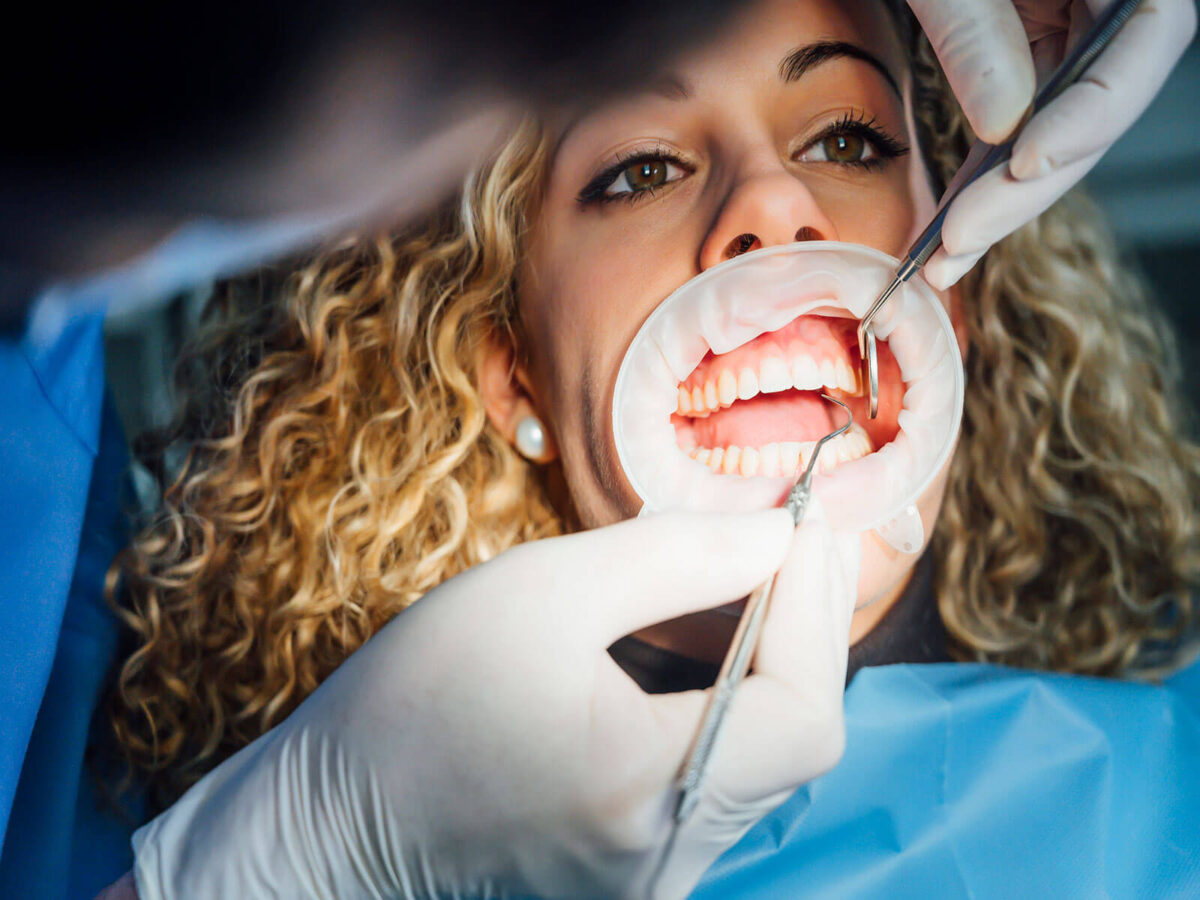
This comes up more than people admit. How often you should go to the dentist when there’s no pain isn’t always as obvious as it sounds. The usual answer people hear is twice a year. The longer answer is more personal. Teeth do not age the same way for everyone. Habits differ, health changes, and life gets busy. That is why the real answer sits somewhere between routine advice and individual reality.

Dental visits are not only about pain. They are about spotting quiet problems before they become loud ones. Understanding how often you should go to the dentist helps keep small issues small.

Why The Twice-A-Year Rule Exists

The six-month schedule didn’t come out of thin air. Plaque builds up slowly, and after a while it hardens into tartar that brushing at home just can’t remove. Cleanings take care of that before it starts causing trouble. That same amount of time is often enough for small changes to show up too. Nothing dramatic. Just early signs that are easier to deal with when caught early. For people with average risk, six months usually keeps things on track without feeling like too much.

Why The Answer Is Not The Same For Everyone

Some mouths just need more attention. Others don’t. This is exactly why how often you should see the dentist depends on each person. Cavities, sore gums, and some health problems often mean you need visits. Smoking and diabetes raise that risk as well, even when brushing is done right. On the flip side, someone with strong enamel, solid habits, and no real dental history may be able to space visits out a bit, as long as it’s done with professional guidance. That doesn’t mean ignoring care. It just means adjusting it thoughtfully.

How Oral Health Changes Over Time

Teeth at twenty are not the same at forty. Gums change. Fillings age. Bite patterns shift. Stress shows up as grinding. All of that affects how often visits are needed over time.

Pregnancy is another example. Hormonal changes can inflame gums faster than expected. Many dentists suggest extra checkups during this phase. As people get older, medications can cause dry mouth and make cavities more likely. Because of that, how often you should go to the dentist isn’t fixed and often changes as life does.

Dental Visits Are Not Just Cleanings

Many people think visits are only about polishing teeth. That is a small part. Dentists check old fillings. They examine gum depth. They look for cracks, wear, and early decay. X-rays are spaced out based on risk, not routine. Early signs of problems show up there long before symptoms. This is how decay under fillings or bone loss is caught quietly. Skipping visits means these silent issues grow unnoticed.

What Happens When Visits Are Too Far Apart

Problems rarely announce themselves early. Cavities grow quietly. Gum disease advances without pain at first. By the time discomfort appears, treatment is often bigger and more expensive.

People who delay care often say they feel fine. That is common. Teeth are good at hiding trouble until they cannot anymore.
This is why how often you should go to the dentist is not about reacting. It is about preventing the need to react later.

Children And Dental Visit Frequency

Dental care for children usually starts early on. Baby teeth may be temporary, but they still serve a real purpose. They guide adult teeth and hold space. Cavities can still cause pain, even in baby teeth. Many children follow a six-month routine. Some don’t. Cavities, hygiene issues, or habits can mean more visits. Going regularly also helps kids feel familiar with the process over time.

Adults With No Pain Still Need Visits

Not having pain doesn’t actually mean everything is fine. It’s a common assumption. A lot of people wait for pain before thinking about a visit. By then, the issue has usually been there for some time. Early cavities and gum problems are usually easier to deal with, but they don’t announce themselves. Skipping visits gives them time to grow quietly. Regular exams usually keep care calmer instead of urgent.

Gum Health And Visit Timing

Gums tell a different story than teeth. Gum disease often progresses quietly. Bleeding gums are an early sign that many ignore. With time, bone loss also starts showing up.

People dealing with gum disease usually need cleanings more often. Deeper cleanings and regular visits are usually part of keeping damage under control. That extra attention tends to help things stay steadier over time. If gums have ever been treated, visit frequency usually increases. That is part of long-term stability.

How Lifestyle Affects Dental Visit Frequency

Your diet plays a role too. Snacking often feeds bacteria. Sugary drinks keep acid levels high. Tooth grinding adds stress to enamel and fillings. Stress and smoking both impact oral health. These factors change risk levels. Risk changes visit schedules.

That is why dentists ask lifestyle questions. They are not being nosy. They are deciding how often you should go to the dentist, realistically.

Dental Anxiety And Skipping Appointments

Fear keeps many people away. Ironically, skipping care often leads to more invasive treatment later, which further feeds fear.
Routine visits help keep treatment smaller and simpler. Cleanings and exams are usually much easier than emergency care. When anxiety exists, talking about it can make a difference. Dentists adjust pace, explain steps, and create comfort gradually.

Insurance Should Not Decide Everything

Insurance often covers two visits a year. That does not always mean two is enough. Sometimes it means more are needed. Sometimes fewer are acceptable.

Health needs should come first when it comes to dental care. Insurance is useful, but it isn’t a diagnosis and doesn’t tell the full story. Ask what schedule fits the mouth, not just the plan.

Signs You May Need More Visits

Frequent cavities, bleeding gums, bad breath that does not improve, dry mouth, grinding, and recent dental work all of these increase the risk. If any apply, six months may not be enough. More frequent care stabilises things faster. Ignoring signs rarely improves them.

Why Dentists Personalise Schedules

Dental care isn’t the same for everyone. Dentists look at what they see during the exam. They refer to your history and habits. That information shapes a care plan. The goal is fewer emergencies, fewer big procedures, and more stability.

That is the real reason behind answering how often you should go to the dentist differently for different people.

What Happens During Routine Visits Over Time

Over repeated visits, dentists track changes. Small shifts in enamel, early gum changes, and wear patterns. This long view matters. Comparing today to last year catches problems early. Skipping years removes that reference point. Being regular builds better care.

Conclusion

How often should you go to the dentist? For many, every six months works. For others, more frequent visits protect long-term health. Some may safely stretch visits under guidance.

The right routine is the one that keeps problems small and manageable. Teeth do not need drama. They need attention.
After a long gap, an exam usually shows what’s actually going on. It often clarifies how often you should see the dentist based on the mouth itself, not a general rule. Staying ahead tends to matter more than reacting later.
Categories
Dental care

Dental Sealants for Kids: A Complete Parent’s Guide to Prevention

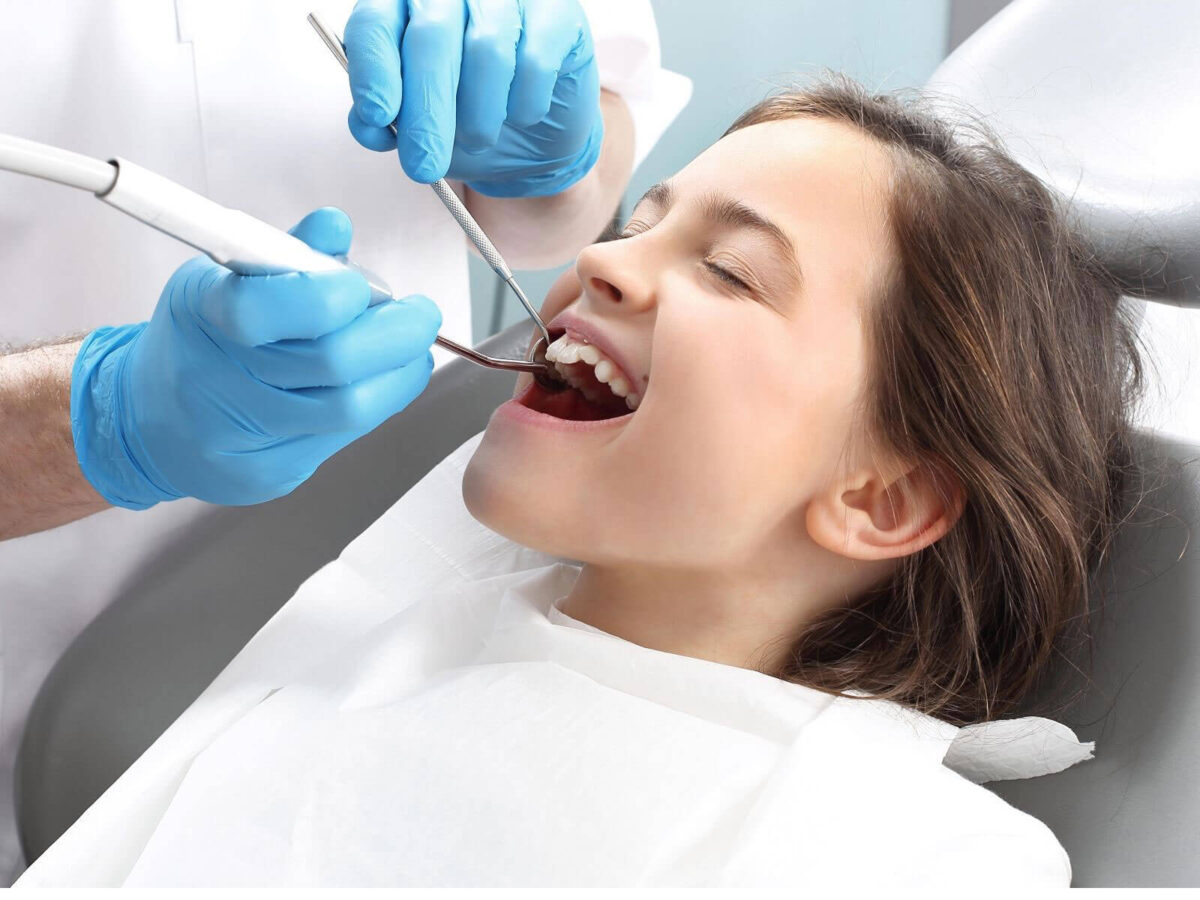
When a child’s new molars come in, dental sealants for kids often get mentioned soon after. It is not random. Back teeth have deep lines and small pits that trap food. Kids try to brush, but those areas are easy to miss. Even adults struggle with them sometimes. A thin layer added to the chewing surface helps close off those spots. It does not feel bulky or strange. It sits there without much notice. The point is to stop cavities before they show up and keep later visits simpler.

So, What Are Dental Sealants For Kids, Really

A sealant is a thin layer brushed over the chewing surface of molars. It fills in the small grooves, then hardens and leaves the tooth smoother to clean. Once it sets, food and bacteria have fewer places to cling to. That alone makes cleaning more effective. The sealant remains on the outside of the tooth only. Nothing is drilled away in the process. No numbing or shots either. For many parents learning about “what are dental sealants” for kids, the change sounds minor, but the protection they add over time is noticeable.

When Dentists Usually Recommend A Dental Sealant For Kids

Sealants are often suggested soon after a permanent molar erupts. The first adult molars usually come in around six years of age. The next set arrives near twelve. Placing a sealant early, while the tooth is new, blocks the most vulnerable window. Children who snack often or who find brushing tricky are common candidates. The dentist looks at each tooth and chooses where the coating will actually help.

Is It Safe For Children

Safety is the top question. The materials used for sealants are dental resins tested for years. Only a tiny amount of material touches the tooth surface. The resin is cured quickly with a special light. There is no cutting and no pain. Sealants are used because they lower the chance of cavities and tend to be of low risk. Questions like Is dental sealant safe for kids usually come up here. All medical concerns are checked before proceeding.

The Benefits Of Dental Sealants For Kids

What usually matters most is fewer cavities on the chewing surfaces. That usually leads to fewer fillings and less stress later on. With dental sealants for kids, the back teeth are smoother. Brushing tends to do more of the work, even on rushed days. This helps kids who snack a lot or skip flossing. The sealant adds a quiet layer of protection that supports the enamel over time. Over the teen years, that added layer can keep things simpler. Bigger treatments are usually avoided. That’s part of the benefits of dental sealants for kids.

How Long Does A Dental Sealant For Kids Usually Last

Sealants slowly wear with time. That’s normal. Some last longer than others, usually several years. A lot depends on habits. Grinding teeth adds pressure. Chewing hard foods does too. Signs of wear are usually spotted at routine visits. Not from pain. Just from a closer look. At times, a sealant has already worn down or loosened. That happens. The tooth itself is usually fine when it does. Dentists often catch it during a regular visit before it causes any trouble. Small chips or thin areas are easy to fix. With dental sealants for kids, replacing the sealant is a common step and doesn’t usually turn into a longer or more complicated process.

What Happens During A Sealant Visit

A sealant visit usually feels much simpler than people expect going in. The appointment is quick, but nothing feels rushed. The dentist cleans the tooth first, just like during a normal visit. Then they dry it so everything is ready. Sometimes a mild prep step is used so the coating stays put. The sealant is put on and settles into the grooves by itself. A small light hardens it, and that part is usually done in seconds. The dentist checks how the teeth come together and smooths anything that feels slightly off. With dental sealant for kids, there is no drilling and no numbing. Most children stay relaxed the entire time and are surprised when it’s already finished. They usually go straight back to their day without any fuss.

Which Kids Benefit Most From Sealants

Some kids need the extra help more than others. Frequent snacking plays a role. So does brushing that isn’t quite thorough yet. A history of cavities usually points in the same direction. Braces and special care needs can also make home care harder to manage. With dental sealants for kids, timing matters more than it sounds. Getting the sealant on shortly after the tooth comes in helps during the years when cavities are most common and little issues tend to sneak up.

Cost, Insurance, And Access Basics

Sealants are usually lower in cost than cavity treatment. Many dental plans cover sealants for children, at least on the first permanent molars. Public health programs often include them as preventive care. When insurance does not cover the full price, what remains to be paid is often far less than a filling. Asking for a clear estimate before the visit keeps things simple.

How To Watch For Sealant Wear At Home

A parent may notice a chip, or a child might mention a rough spot while chewing. Sometimes the bite just feels off. These things are often picked up again during regular visits, when the dentist checks each sealant. If wear is found, it can be reapplied. With dental sealants for kids, catching wear early helps keep protection steady and lowers the chance of cavities starting.

When Sealants Are Not The Right Step

Sealants don’t apply in every case. Cavities need to be treated before a coating can help. Very shallow grooves may not need protection at all. Rare medical or allergy concerns can also change the plan. The dental team describes these exceptions and focuses on what makes the most sense for each child.

Useful Tips To Support Sealants At Home

It comes back to everyday routines. Brushing twice a day helps. Cleaning between teeth matters too. Sticky snacks can cause trouble, so water after meals helps clear things out. Regular dental visits, kept calm and familiar, give the dentist time to check sealants and notice wear early. With dental sealants for kids, those small habits tend to add up quietly over time.

What To Ask At The Dental Visit

It helps to ask a few simple questions during the visit. You can ask whether the new molars look like good candidates and which teeth the dentist actually recommends, along with the reason behind that choice. It’s also fair to ask what the cost covers and whether insurance is expected to help. Asking how sealants are checked at follow-up visits gives a clearer picture of what happens later. When questions are clear, the answers usually are too, and planning feels less stressful.

Final Thought And Gentle Next Step

The benefits of dental sealants for kids aren’t always dramatic, but they add up. Fewer cavities. Fewer repairs later on. Cleaning tends to be easier, too. That’s usually when parents ask Is dental sealant safe for kids. For most children, the answer is yes. Any remaining questions can usually be handled with a short talk at the dental office. One small step taken early can help avoid extra appointments and keep things simpler as the child gets older.

Categories
Dental care

Different Types of Dental Bridges: Which One is Right for You?

At the start, missing a tooth usually feels easy to ignore. People usually adapt fast. Eating feels normal. Smiling does not change much. Speech stays the same. With time, things feel off. Food gets caught in spots it never did before. Nearby teeth shift slightly. The bite feels uneven.

This is usually the point when people think about types of dental bridges. It is not about pain yet. It is about balance. Dental bridges are often chosen when the mouth feels off, but still easy to fix.

How Missing Teeth Change More Than Looks

A missing tooth leaves a space, but it does not stay empty. Teeth around it slowly lean toward that gap. The tooth across from it may drift as well. These movements happen quietly, often over months or years.

This shifting changes how the mouth works. Chewing may feel uneven. Cleaning becomes harder. Over time, these changes can affect comfort. Dental bridges help hold that space steady again. Understanding the different types of dental bridges makes it easier to see how each one handles that job differently.

Traditional Dental Bridges And Steady Support

Traditional bridges are usually the first option people hear about. They use the teeth on both sides of the gap to support the replacement tooth in between. Teeth next to the gap are shaped so the bridge stays secure.

This type of dental bridge option works best when the surrounding teeth are already strong. Many people choose it because it feels stable once placed. Chewing feels natural again, and the bridge blends into daily life fairly quickly.

Cantilever Bridges And One-Sided Attachment

With cantilever bridges, support comes from only one side of the gap. This setup works well when the missing tooth is at the end of the teeth.

Because only one tooth supports the bridge, this option is chosen carefully. Dentists often suggest it in areas with less chewing pressure. As a type of dental bridge, it can work well when used in the right spot, but it is not meant for every situation.

Maryland Bridges And Minimal Tooth Changes

Maryland bridges take a lighter approach. Instead of reshaping nearby teeth, small wings are bonded to the back of surrounding teeth to hold the bridge in place.

This option keeps more of the natural tooth untouched. It is commonly used for front teeth, where appearance matters most and biting force is lower. Among the different types of dental bridges, Maryland bridges are usually chosen by those who want less change to their natural teeth.

Implant-Supported Bridges And Independent Support

With implant-supported bridges, nearby teeth are not used for support. Instead, posts go into the jawbone and hold the bridge once healing is complete.

This option often feels very solid once complete. Among the types of dental bridges, this one takes more time and planning, but many people like that it stands on its own. It also avoids placing pressure on surrounding teeth.

How Materials Change The Feel Of A Bridge

There are different materials used for dental bridges. Some focus on blending naturally with surrounding teeth. Others focus on strength.
The material affects how the bridge looks and feels in daily life. When comparing types of dental bridge options, material choice quietly shapes comfort, confidence, and how noticeable the bridge feels over time.

Why Location In The Mouth Matters

A missing front tooth and a missing back tooth do very different jobs. Front teeth affect smiling and speech. Back teeth handle chewing pressure every day.

Some different type of dental bridges work better in certain areas. Picking a bridge that fits the location helps it feel stronger and last longer without problems.

Jawbone Condition And Bridge Planning

Jawbone health plays a part in selecting a bridge. Some options use nearby teeth, and others are supported by the bone.
If the bone has changed over time, certain options may need extra steps. Knowing how bone condition affects types of dental bridges helps avoid surprises later in the process.

How Long Dental Bridges Tend To Last

Dental bridges are supposed to stay in place for years. With basic care, many people live with the same bridge for a long time without thinking about it much. It just becomes part of daily life.

Since different types of dental bridges are placed in different areas, they do not all wear the same way. Some take on more pressure during chewing. Cleaning regularly and seeing the dentist now and then helps the bridge stay steady and keeps the support teeth healthy.

Daily Life After Getting A Dental Bridge

Once the mouth adjusts, a bridge often fades into the background. Eating feels easier. Speaking feels normal again. Smiling becomes more comfortable.

Cleaning remains important, especially under the bridge. Food can collect there if care is skipped. Paying attention to daily cleaning helps all types of dental bridges stay comfortable over time.

Adjustment Period And Early Sensations

A new bridge may feel strange at first. The tongue notices it. Chewing may feel uneven for a short while.

This adjustment usually settles. Once the mouth settles, the right type of dental bridges should feel even and natural. Ongoing discomfort often points to a small fix being needed.

Cost Differences Without Pressure

Prices vary based on the bridge chosen and the materials involved. Implant-supported bridges tend to cost more since they require more work.

Traditional and Maryland bridges may cost less up front. Thinking about types of dental bridges usually means focusing on comfort over time rather than early costs.

Confidence And Everyday Comfort

Missing teeth affects more than function. They affect confidence. A bridge restores balance, but it also restores peace of mind.
Some different types of dental bridges are chosen mainly for how natural they look. Feeling comfortable smiling again often becomes one of the biggest benefits.

When Bridges May Not Be The Best Option

Not every bridge suits every mouth. Gum health, bite pressure, and alignment all matter. A dentist evaluates these factors before recommending among types of dental bridge options. This step helps avoid future problems and supports long-term oral health.

Why Professional Guidance Makes A Difference

Comparing types of dental bridges can be confusing when there is no guidance. Each choice impacts the mouth differently.
A dental professional looks at the bigger picture, not just the gap. This helps the bridge feel natural and prevents new concerns from showing up.

Making The Choice Feel Less Overwhelming

Most people do not decide on a bridge quickly. Questions come up. Comparisons happen. Time helps. Understanding the different types of dental bridges turns a confusing decision into a calmer one. The right bridge restores balance and helps the mouth feel familiar again.

Final Thought

Dental bridges quietly support the mouth every day. They hold spaces steady, protect nearby teeth, and restore comfort. Knowing more about types of dental bridges can make decisions feel easier.
A missing tooth can start to affect comfort or confidence. A dental consultation helps decide what to do next. The right bridge usually blends in and feels natural over time.