Potranco Dental office

Categories
Dental care

4 Most Common Questions About Teeth Whitening

Discolored teeth might make you feel conscious while smiling or talking to people. But with the option of teeth whitening available at dental offices and homes, people are now able to enjoy whiter and brighter teeth which they can flaunt confidently. Bleaching your teeth is one of the most popular procedures in cosmetic dentistry. 

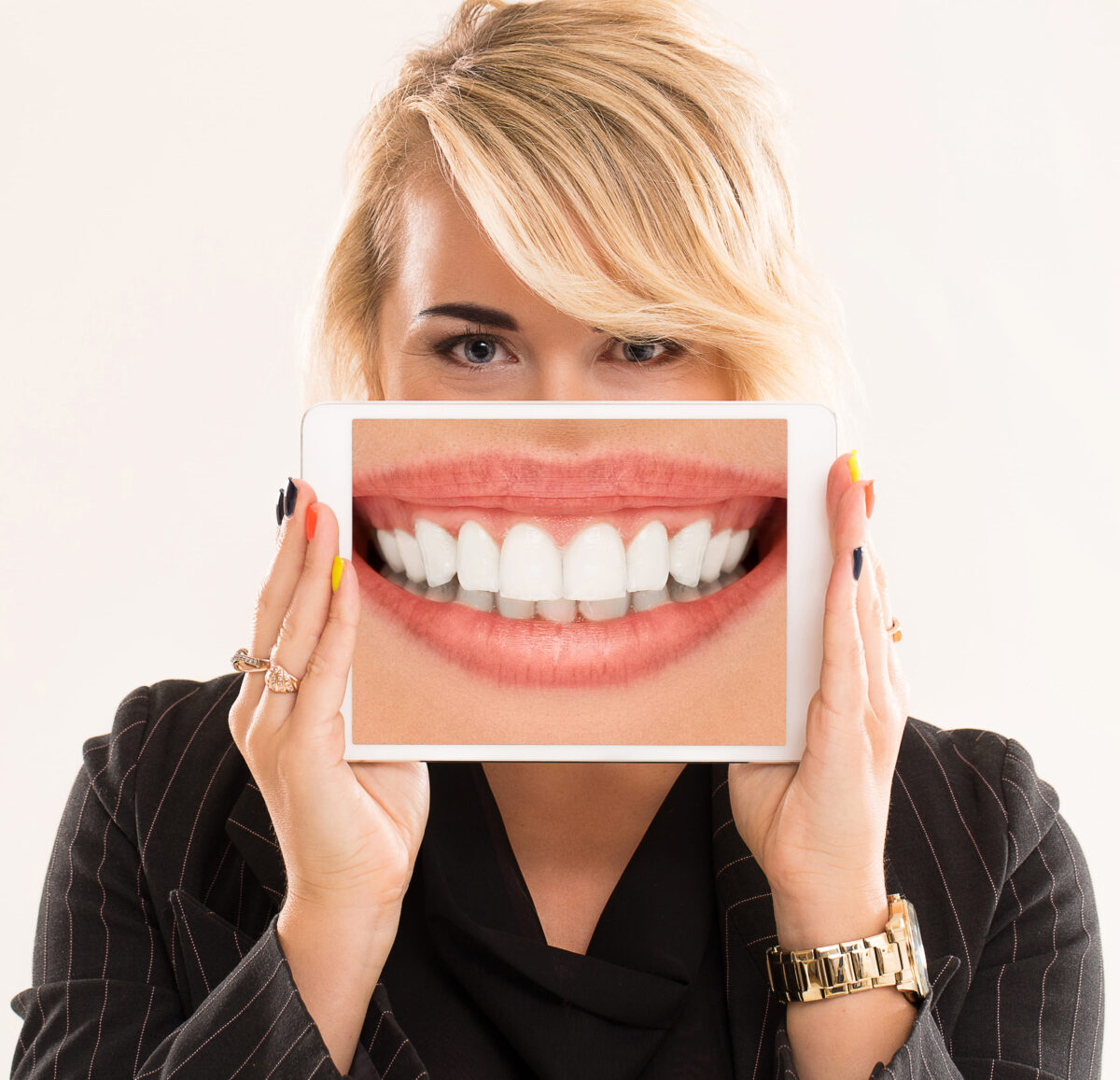
The popularity of this procedure lies in the fact that statistically, people with white and beautiful smiles have more personal and professional success in life. An in-depth study revealed that those who donned white smiles were sixty-eight percent more successful professionally, fifty-two percent more trustworthy, and sixty-four percent more successful financially. Given this data, it is natural that people are opting for brightening their teeth.

In this article, you will understand more about the teeth whitening process and also get answers to some of the most frequently asked questions about this procedure.

What Happens In Teeth Whitening?

Teeth whitening lightens the color of your teeth by following procedures like physical removal of stain (or chemical reaction) from your pearly whites. We get stains on our teeth due to compounds that have darker shades known as chromogens. Chromogens can be intrinsic (inside the tooth) or extrinsic (on the surface of the tooth).

In teeth brightening, the active ingredient is typically hydrogen peroxide (H2O2) which can also be delivered as carbamide peroxide. When it comes in contact with water, carbamide peroxide breaks down to release hydrogen peroxide.The teeth-whitening solutions react with chromogens and make them lighter. 

Various Ways Of Brightening Your Teeth

Teeth whitening systems can be varied as described below:

Whitening toothpaste – The abrasives and detergents in whitening toothpaste are higher than standard ones and can remove tough stains. These kinds of toothpaste do not have bleach but contain low amounts of hydrogen peroxide or carbamide peroxide, which can lighten tooth color. You can get one to two shades of lighter-colored teeth with lightening toothpaste.

Whitening strips and gels – In the late 19800s, teeth brightening strips came out on the market. They are made of a thin layer of peroxide gel put on plastic strips, and their shape fits into the buccal surfaces of our teeth. These strips come with their set of instructions where typically, you would need to apply them for thirty minutes daily for two weeks to see results. They can lighten your teeth up to one to two shades.

Whitening rinses – These rinses have hydrogen peroxide in them, and in general, the manufacturer’s instruction says to rinse your mouth for thirty seconds twice a day. It can take around three months to see results with these products and improve the teeth shade up to one to two shades lighter.

Trays for brightening teeth – These trays can be bought OTC and are also available professionally. The trays are fitted to your teeth’s shape and contain carbamide peroxide gel. You need to wear them for two to four hours a day or overnight. If you follow the manufacturer’s instructions, you can see your teeth lightening by one to two shades within a few days.

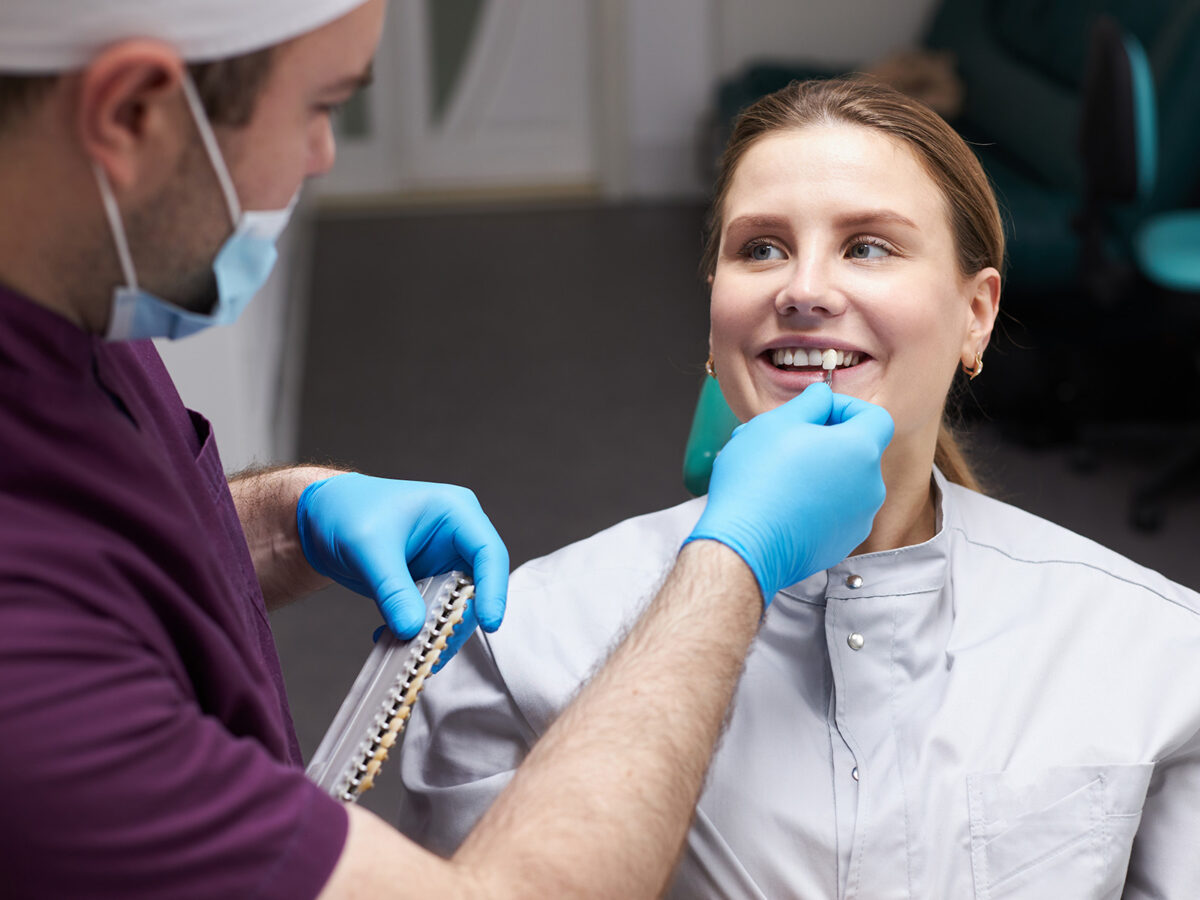
In-Office Lightening of teeth – You can observe quicker lightening of teeth when the procedure is done in a dental office. The products that your dentist uses for lighting your teeth have higher concentrations of hydrogen peroxide than OTC strips or rinses. You can see results in just thirty or sixty minutes of treatment and can get dramatic effects with several visits.

Frequently Asked Questions About Teeth Whitening

Once you decide to lighten your teeth, you might have many questions in your mind, like is it risky? How long will it last? And many others. Here we will answer four of the most common questions about teeth whitening:

How long will my teeth look bright? 

In general, teeth whitening will last you for a year. But keep in mind that the results vary greatly based on your lifestyle, the kinds of food and drinks you consume, and how committed you are to oral care.

How many shades lighter can my teeth become? 

The amount of whitening can not be predicted and varies from patient to patient. But in general, your teeth might become lighter anywhere between six to twelve shades on the shade guide. The amount of brightening you achieve also depends on how discolored your teeth are. 

Can teeth whitening work on dental restorations like crowns?

No, the chemicals in the teeth lightening procedure work only on natural teeth, but it is possible to restore the hue of false teeth with teeth brightening procedure.

What are the pros and cons of brightening my teeth with OTC products? 

Store-bought kits for lightening your teeth are extremely convenient and budget-friendly. Some of the products also have the seal of acceptance of ADA (American Dental Association). Some of the cons of these products are; you can overuse them, which might damage your teeth, or for some of you, the strength of these products might not be enough to lighten your teeth as desired.

Summing Up 

You can whiten your teeth at home or a dental office, but it is safer to go for professional whitening since it guarantees faster results, and there is no risk of enamel damage, as seen with OTC products.

 

Categories
Dental care

Does Medicare Cover Dental Treatment?

Medicare is a government health insurance program for those 65 and up, as well as some younger people with disabilities, that primarily covers hospital treatment (Part A) and medical services (Part B). However, Medicare rarely fully covers the cost of oral care. In this piece, we’ll investigate what kinds of dental care are covered by Medicare and what other options patients have.

Medicare Covers for Dental Treatment

  • Part A: Hospital stays, skilled nursing facility stays, and some home health care are all covered by Medicare Part A. Standard oral-care procedures, including cleanings, fillings, and extractions, are typically not covered under Part A. As a result, if you need oral work done while hospitalized, you’ll have to either find another form of coverage or pay for it out of cash.
  • Part B: Services such as regular doctor visits, outpatient care, and preventative care are all covered under Medicare Part B. There is no comprehensive dental coverage under Medicare Part B. Part B does not pay for regular oral checkups or most oral-care procedures unless they are deemed medically necessary, such as oral surgery before receiving chemotherapy.
  • Part C: Medicare Advantage (Part C) plans are offered by private insurance organizations that have been approved to sell Medicare Advantage plans. These plans are an alternative to Original Medicare (Parts A and B) and often offer more comprehensive coverage. Limited dental coverage, such as for preventative care or oral-care emergencies, may be included in some Medicare Advantage plans. Examining the specifics of each plan is essential for figuring out how much oral-care treatment is covered.

What does Medical Insurance Cover?

If you want to make sure you can get the oral care you need, you should look into your Medicare coverage and any other dental insurance choices you may have. Medicare recipients needing oral care should investigate additional payment choices because these visits are critical to maintaining good oral health.

The best way to learn about your dental coverage options and make an educated decision based on your requirements and preferences is to talk to insurance agents, dentists, and Medicare representatives.

  • Due to Medicare’s limited dental coverage, many beneficiaries use separate dental insurance policies to fulfill their oral care needs. Private insurance companies market these policies, which range in price, level of benefits, and provider participation. 
  • Dental cleanings, fillings, extractions, and more complex operations like root canals and dentures can all be covered by separate dental insurance policies. Plan limitations, waiting periods, and fees vary widely, so shopping around and studying the fine print is vital before deciding.
  • Another way to get oral treatment is with the help of affordable dental plans. These schemes are not insurance policies but membership-based alternatives that provide members access to discounted oral care from network providers. 
  • People who don’t need substantial dental work but would benefit from lower prices on routine maintenance may want to look into discount dental plans. However, remember that there may be restrictions on the services and providers these plans cover.

Conclusion

Medicare typically has strict coverage limitations when it comes to oral care. Oral care is not covered in full by Medicare Parts A and B, but there are other choices for financing your oral health. Oral care is not often covered in full by Medicare Advantage plans, although it often is with separate dental insurance policies. Discount dental plans are another choice for those looking to save money on routine oral treatment.

Categories
Dental care

How Can Dental Bridges Help In Oral Health Restoration?

Our oral health is crucial to our overall health, and losing one or more teeth can significantly affect appearance and functionality. By bridging the gaps caused by losing teeth, dental bridges provide a dependable answer for regaining oral health. This article will examine the many types of dental bridges, their function, and their advantages for improving oral health.

Dental Bridges Help In Oral Health Restoration

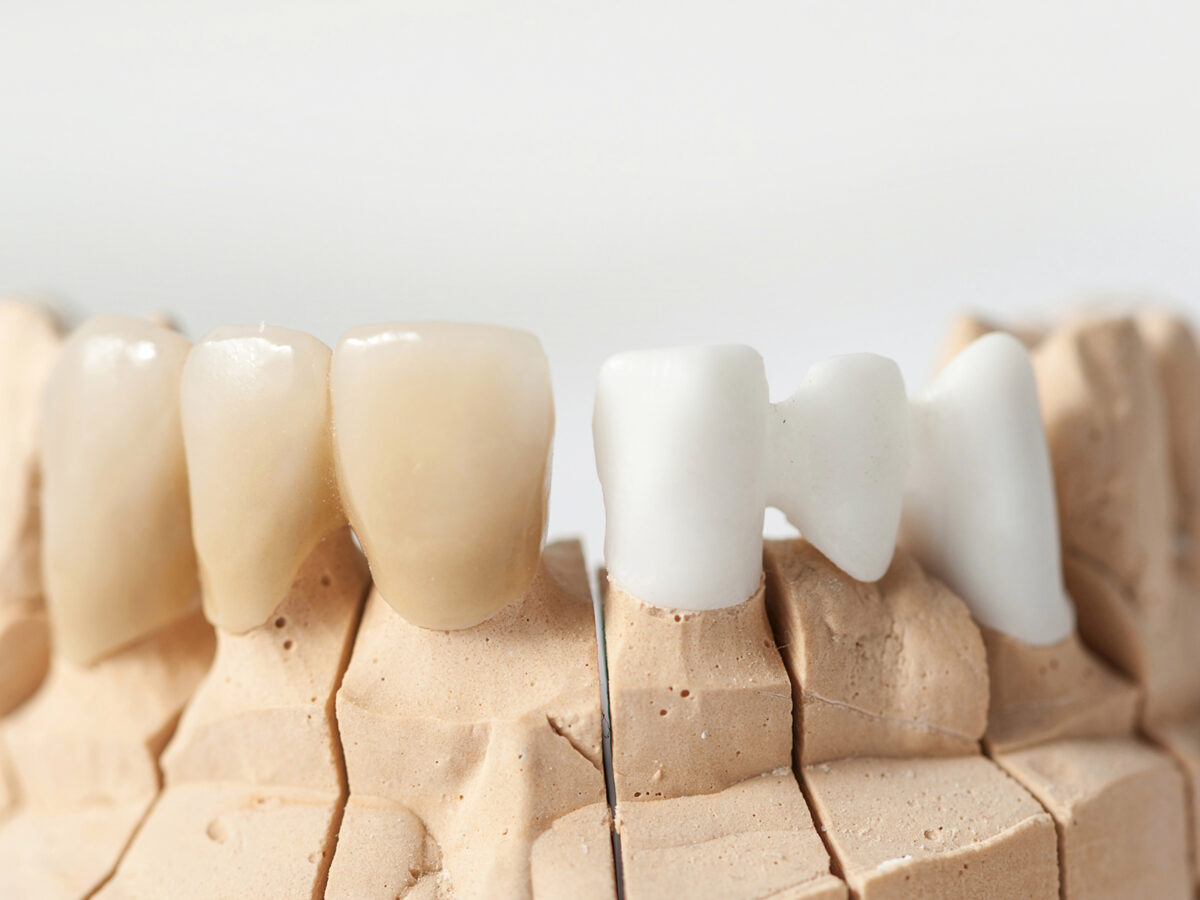
Dental bridges are fixed prosthetic devices that replace one or more lost teeth. Pontics, synthetic teeth, are used in this procedure, and they are secured in place by being fastened to nearby dental implants or natural teeth. Dental bridges are a seamless and natural-looking repair because they are manufactured to match the neighboring teeth’ color, shape, and size.

Types of Dental Bridges

a) Traditional Dental Bridges: This form of dental bridge is the most popular and consists of pontics supported by dental crowns bonded to the neighboring natural teeth. The crowns serve as abutments and give the bridge support.

b) Cantilever dental bridges: These are utilized when only one adjacent tooth can serve as a support. One abutment tooth serves as the pontic’s dental crown.

c) Maryland dental bridges, also called resin-bonded bridges, use a metal or porcelain framework glued to the backs of neighboring teeth. Since the bite force on the front teeth is lighter, this bridge is perfect for replacing them.

c) Implant-Supported Dental Bridges: For those with no natural teeth remaining or with several missing teeth, implant-supported bridges are an option. They entail placing dental implants in the jawbone to fix the bridge firmly.

How can Dental Bridges aid in oral health?

Dental bridges help restore oral health by improving chewing and speaking. Missing teeth can make it difficult to chew food, which can cause digestive problems and poor nutrition properly. 

a) Dental bridges provide a balanced and nutrient-rich diet by restoring the ability to bite and chew properly. In addition, they aid in preserving speech clarity and avert speech impairments that may result from tooth loss.

b) Maintenance of Facial Structure: When a tooth is lost, the jawbone beneath it may start to degrade, giving the face a sunken appearance and hastening the aging process. By stimulating the surrounding bone and avoiding bone loss, dental bridges aid in maintaining the contour and integrity of the face structure.

c) Dental misalignment and bite issues can develop from gaps left by missing teeth, which can cause the remaining teeth to shift out of place. By filling the voids, dental bridges stop teeth from slipping and restore appropriate dental alignment. Preserving a balanced bite lowers the incidence of TMJ disorders, headaches, and jaw pain.

d) Improved Aesthetics: Dental bridges improve the smile’s appearance while restoring function. They offer a smooth and natural-looking restoration since they are made to seem like natural teeth in terms of color, shape, and size. As a result, people become more confident and feel better about themselves, making it easier to smile and engage with others.

e) Simple Maintenance: Dental bridges are simple to maintain with regular oral hygiene procedures. The durability and health of the bridge depend on brushing, flossing, and routine dental exams. Your dentist will give specific recommendations on regular maintenance.

Conclusion

Dental bridges are an efficient way to restore oral health and function in cases of tooth loss. They have many advantages, including better speech and chewing, preservation of face structure, protection of dental alignment, increased aesthetics, and simplicity of maintenance. A dental expert can help you decide if dental bridges are the best option if you have lost teeth. Dental bridges can considerably enhance your quality of life and restore your self-confidence by restoring your smile and oral health.

Categories
Dental care

Transform Your Smile With Porcelain Veneers

Do you feel you have an unsightly smile and hesitate to smile in front of others? Do you find yourself hiding your teeth with your hand when you smile for selfies, or do you smile with your mouth closed? Dental or porcelain veneers can come to your rescue and significantly transform your smile, which you would want to flaunt.

These dental laminates are custom-made porcelain shells that match your tooth color and cover the tooth to hide imperfections like chipped or stained teeth, gaps between teeth, cracks, etc. 

Read on to learn more about porcelain veneers and how they help you immensely enhance the shape, size, and color of your teeth.

Properties of Dental Laminates

Dental laminates stick to the outer surface of your teeth and need contouring of your tooth before the dentist glues them on it.

  • Come in a wide range of colors- Composite resin laminates can appear chalky or too white as they come in limited color options. With porcelain veneers, you can select just the right color that goes well with your skin tone, teeth color, age, white eyes, etc.
  • Highly durable – Porcelain is known for its sturdiness and is leaps and bounds ahead of ceramics or composite resin materials in terms of strength. If you maintain them properly, they can last you long, up to ten to fifteen years (or even an entire lifetime)
  • Aesthetically pleasing – These dental laminates are translucent and allow light to pass through them. This makes the veneers reflect light just like your natural tooth. Your dentist would determine how translucent the laminate should be (based on the color of your enamel) for a perfectly blended effect.
  • Damage resistant – Apart from high strength, porcelain is also stain resistant. They do not get stained easily if you drink highly pigmented beverages like tea, coffee, or wine.

What Problems Can Porcelain Veneers Rectify?

Dental laminates can address a wide range of cosmetic issues with your oral structure, as described below:

  • These tooth laminates can fix discoloration in teeth due to various reasons (stains from drugs like tetracycline, root canal treatment, large resin filling, excessive fluoride, etc.).
  • If your teeth have worn down due to wear and tear or any other reason, you could get them back in shape with porcelain veneers.
  • Any cracks or chips in teeth can be fixed with these veneers.
  • These dental laminates can rectify misaligned and uneven or irregular teeth (such as teeth with bulges or craters).
  • You can close the space or gaps between teeth with porcelain veneers.

How Is Porcelain Veneer Applied?

The procedure for applying dental laminates is the least invasive, and you can get it done without any anesthesia or probably need only local anesthesia. 

  • The doctor would first assess your teeth to know what laminate color is needed and take your teeth’s impression with a digital scanner.
  • The doctor would send the impression to the lab to use the model for preparing custom-made veneer. It would take between two to four weeks for the laminate to get ready.
  • Once the laminates are ready, the doctor will reshape your tooth by removing some enamel that is equal to the thickness of the veneer being applied.
  • Before trimming the enamel, your dentist would decide whether anesthesia is needed.
  • The dentist would then apply dental adhesive on your tooth’s surface and fix the veneer on the top.
  • Finally, the laminates are polished to give them their final look.

Who Can Get Dental Laminates Done?

Anyone with the following oral characteristics can get porcelain veneers done:

  • You should have healthy teeth and gums.
  • You must maintain good oral hygiene as you would need to take care of your laminates the same way you take care of your natural pearly whites.
  • You must have sufficient tooth enamel for the veneers to bond properly to your tooth.
  • Veneers can not correct teeth with severe misalignments or crookedness (or if you have malocclusion, i.e., misaligned bite). You would need to have moderately straight teeth to get this procedure done.

Benefits of Porcelain Veneers

Dental laminates are a popular choice for discolored, misaligned, chipped, or cracked teeth. They can also replace missing teeth with artificial ones that look just like your natural teeth. Its many benefits include:

  • They improve your smile significantly by fixing all types of cosmetic issues.
  • They are custom-made for your teeth, so they look very close to your natural teeth. They fit your teeth perfectly, and you do not need to worry about them falling off.

Summing Up

Porcelain veneers are wafer-thin custom-made shells that fit over your teeth and enhance your smile by fixing many issues such as chipped, stained, cracked, gapped, or misaligned teeth.