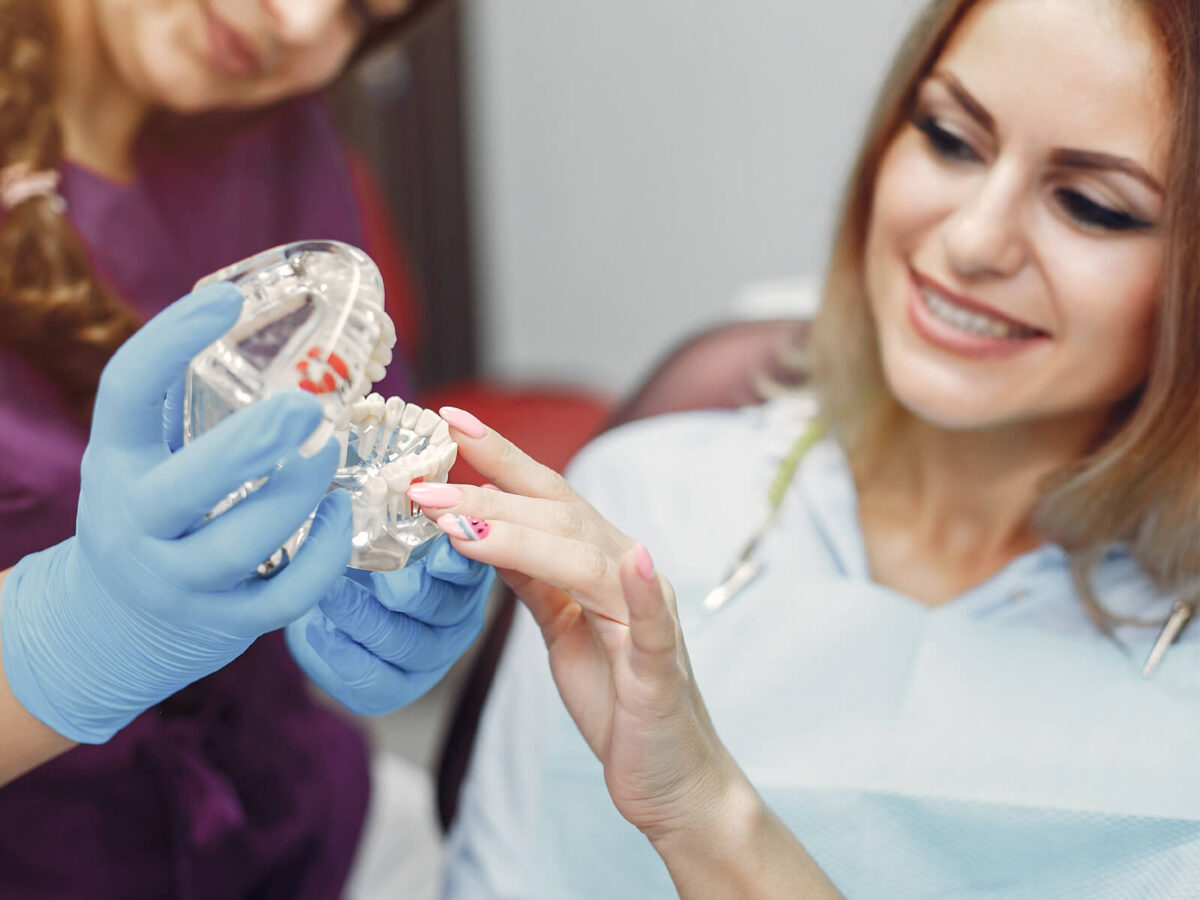
A properly aligned smile is not only aesthetically pleasing but also beneficial for overall oral health. Orthodontics, a specialized field of dentistry, plays a crucial role in treating bite abnormalities, which can have long-term effects on oral function, speech, and dental health. This comprehensive guide will explore the role of orthodontics in correcting bite disorders and their broader impact on a person’s well-being.
Understanding Bite Difficulties:
Bite difficulties, or malocclusions, refer to misalignments of teeth and jaws. These misalignments can manifest in various forms, including underbites, overbites, open bites, crowding, and gaps.
Impact on Oral Function:
- Chewing and Digestion: A correctly aligned bite is essential for proper chewing and digestion. Malocclusions can hinder food breakdown, leading to digestive issues. Orthodontic treatment ensures teeth come together correctly for effective chewing.
- Speech Articulation: Bite problems can also affect speech. Misalignments can cause speech impediments, and orthodontic treatment can improve speech clarity and confidence.
Long-Term Oral Health Benefits:
- Preventing Tooth Wear: Malocclusions often cause uneven tooth wear. Orthodontics helps distribute pressures evenly, preventing early wear and reducing the risk of dental issues.
- Periodontal Health: A well-aligned bite facilitates easier oral hygiene. Straight teeth are simpler to clean, reducing the risk of plaque buildup and periodontal disease.
- TMJ Health: Bite problems are linked to temporomandibular joint (TMJ) disorders. Orthodontic correction can alleviate TMJ stress, reducing jaw pain and discomfort.
Psychological and Cosmetic Benefits:
- Boosting Confidence: An attractive smile greatly impacts self-esteem. Orthodontic treatment not only corrects functional issues but also enhances the smile’s appearance, leading to increased confidence.
- Social and Professional Impact: A properly aligned smile enhances social interactions and can have professional implications. Confident individuals are often perceived as more approachable and competent.
Orthodontic Treatment Options:
Advances in orthodontics offer various treatments for bite disorders, including metal braces, clear aligners, and bite correctors.
Early Intervention for Long-Term Results:
Early orthodontic intervention is typically recommended during adolescence but can be beneficial at any age. Adult orthodontics provides effective treatments for those seeking bite correction later in life.
Conclusion:
Orthodontics is about more than straightening teeth; it’s about improving oral function, supporting long-term dental health, and enhancing overall well-being. Orthodontic treatment for bite problems is an investment in physical and psychological health, leading to a functional and aesthetically pleasing smile.