
Potranco Dental office

Categories
Dental care

Can A Crown Fix A Cracked or Chipped Tooth?

A chipped or cracked tooth can throw you off. Some feel sharp pain, while others only notice that the edge feels rough when the tongue runs over it. Either way, the first thought is the same: will it get worse? And the answer is yes, most times it does if you leave it.

That’s where a dental crown for cracked tooth comes in.

At Potranco Road Dental Office TX, dentists see this problem all the time. A small crack today can turn into a deeper fracture tomorrow. A chipped tooth that looks like “just a corner” can start breaking more when you chew. That’s why dentists often suggest a crown. It functions like a guard, covering the tooth and giving it support.

Why Cracks and Chips Should Not Be Ignored

It’s easy to think a little chip is no big deal. Some people even live with it for years. But the truth is, cracks and chips open the door for other problems. Food slips in. Bacteria hide there. Decay starts building in places a brush can’t reach.

Once that happens, what could have been fixed with a crown may need a root canal or even an extraction. Dentists at Potranco Road Dentist TX know it well. They often see patients who waited too long. What started small turns into a costly, painful issue. That’s why early treatment matters.

How a Dental Crown Helps

A crown isn’t magic. But it’s the closest thing to a strong shield that modern dentistry offers. The dentist shapes the damaged tooth slightly so the crown can fit snugly over it. Once placed, it looks and works just like a natural tooth.

With a crown, chewing feels normal again. You don’t have to worry about the tooth cracking further when biting something as simple as a bread crust. And the appearance? A crown blends with your smile, so nobody even knows it’s there.

For anyone asking about fixing a broken tooth with a crown, the answer is simple: yes, it helps, and it helps well.

The Process at Potranco Road Dental Office, TX

Patients often feel nervous, but the steps are pretty straightforward. The dentist first checks how deep the crack or chip goes. If the root and nerve are fine, a crown alone does the job.

The tooth is shaped carefully. Then, a temporary crown is placed while the permanent one is being made. Later, the final crown is bonded in place. Modern materials make it strong, and once it’s on, most patients forget which tooth was treated.

Pain and Recovery

Many people worry about pain. The truth is, numbing agents make the process comfortable. Some soreness may come after the tooth is reshaped, but it fades in a day or two. Compared to the pain of a tooth breaking further, crown treatment feels mild.

This is why dentists call it a pain-free dental solution. It’s not about no sensation at all, but about avoiding the real pain that happens if cracks spread untreated.

Long-Term Benefits

A crown does more than fix the look of the tooth. It restores full strength. Chewing on the treated side feels natural again. You don’t have to keep switching food to the other side of your mouth. That small freedom makes a big difference in daily life.

Crowns also prevent the crack from spreading. Teeth with untreated cracks often split deeper, sometimes straight to the root. Once that happens, saving the tooth becomes much harder. With a crown, the outside shell keeps everything stable and safe.

Choosing the Right Option

Not all chipped teeth need a crown. A minor chip may just be polished or fixed with bonding material. But if the damage is deeper or affects strength, a crown is the safer choice. Dentists at Potranco Road Dental Office TX guide patients through that decision.

The choice depends on the size of the crack, the location of the tooth, and how much force it takes during chewing. Back molars usually need crowns more often because they carry most of the bite pressure.

Materials for Crowns

There are a few types of crowns. Porcelain crowns match natural teeth well. Metal crowns are stronger but show their color. Porcelain fused to metal blends strength with appearance. Newer ceramic crowns combine durability and a natural look.

At Potranco Road Dentist TX, dentists talk through these options. Each has its pros and cons. Some patients want the most natural look. Others want the strongest choice, even if it shows slightly.

Cost Concerns

Many people worry about the cost of crowns. It’s true they can feel like an investment. But when you compare the cost of a crown now versus the cost of a root canal or extraction later, the crown often saves money. Preventive repair almost always costs less than fixing advanced problems.

Most insurance plans cover a portion, particularly when the crown is used to save a broken or cracked tooth. The office staff can explain your benefits and let you know what to expect.

Emotional Impact

A chipped tooth isn’t only a dental issue. It also changes how people feel when smiling or talking. Some people hide their teeth when laughing. Others avoid certain foods because they’re scared of breaking the tooth further.

Getting a crown can restore confidence. Patients often share that they smile more easily once the repair is finished. It’s not only about chewing—it’s about feeling at ease with yourself again.

Daily Care After a Crown

Crowns don’t need special treatment. They act like natural teeth. Keeping your teeth clean each day and going for regular checkups is enough. Your dentist might advise not to chew ice or bite on pens, but that’s the same advice for natural teeth as well.

Checkups at Potranco Road Dental Office TX ensure the crown stays secure. If issues appear, like looseness or wear, the dentist can fix them before they become serious.

The Role of Early Action

Timing matters a lot for dental health. When issues are caught early, fixing them is simpler and costs less. Cracks and chips don’t repair themselves. They only spread. A crown stops that process in its tracks.

This is why dentists always highlight early checkups. The earlier you come in, the more likely a crown can save the tooth. Waiting often means more pain and higher costs.

Conclusion

For a cracked tooth, a crown works best. It stops bigger problems, helps you chew, and looks natural in your smile.

At Potranco Road Dental Office TX, the care is built around health and comfort. From fixing a broken tooth with a crown to selecting the right material. The job is to protect the tooth and support the person.

If you notice a crack or chip, don’t ignore it. Visit a trusted Potranco Road Dentist TX and know your options. A crown makes it easy to save your tooth and keep your smile pretty.
Categories
Dental care

Bonded Retainers: Pros, Cons, And What You Need To Know

Introduction
After removing braces or aligners, keeping teeth in place becomes a big challenge. That’s where retainers step in. Bonded retainers are a popular choice. They stick behind the teeth and stay there most of the time. No taking them out. No remembering every night. Pretty convenient, right?

But they aren’t perfect. There are benefits and challenges. At our Potranco Road Dental Office TX, we help patients understand both sides so they can make smart choices.

What Is a Bonded Retainer?

It’s a thin wire glued to the back of the teeth. Usually, it is done for the lower front teeth, at times, the upper ones as well. You don’t remove it. It just stays, quietly holding teeth in place. Because it’s fixed, there’s no worry about forgetting it. That’s why many adults like it more than removable retainers.

By the way, some people are surprised that they barely notice it after a few days. The tongue adapts, and it feels natural.

Bonded Retainer Pros

Let’s start with the good stuff. First, convenience. You don’t have to take it out to eat or brush. It just does its job. Second, consistency. Teeth stay in place all the time. No accidental shifting. Third, discreet. No one sees it behind your teeth. That’s a win for adults who want a natural look.

Finally, about long-term protection. If cared for properly, it can last for years. It’s peace of mind after orthodontic work. And here’s a little bonus: it eliminates the “Did I put my retainer in?” stress. You don’t have to think about it.

Bonded Retainer Cons

No solution is perfect, right? Cleaning can be tricky. Plaque and food hide near the wire. Brushing and flossing need extra attention. Threaders or water flossers help. Wire breakage is possible. Hard foods, nail-biting, or accidents can damage it. If it breaks, teeth can shift fast.

Limited flexibility is another issue. Unlike removable retainers, you can’t adjust them at home. Any problem means a dentist visit. Some people also notice their tongue brushing against the wire at first. It normally fades in a couple of days, but it’s important to mention so there’s no panic.

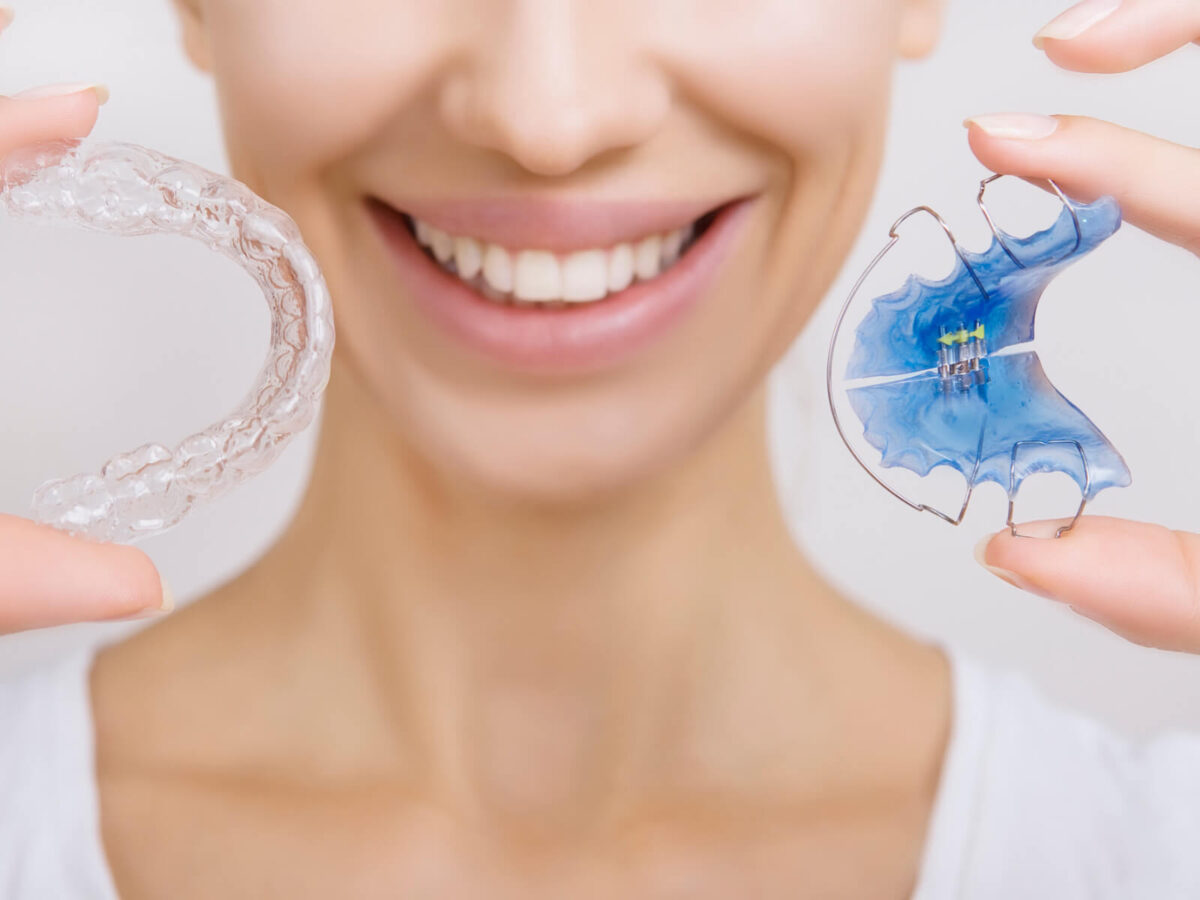
Bonded vs Removable Retainers

How do they compare? Removable ones are flexible. You can take them out for food or cleaning. Simple. But they depend on your memory to remember wearing them. Miss a day, teeth may drift.

Bonded retainers remove that worry. They work continuously, quietly, in the background. But cleaning is trickier, and repairs need a visit. We often help patients weigh convenience versus maintenance. Everyone’s different.

Caring for a Bonded Retainer

Proper care is key. Brush along the wire every day. Check for leftover food. Flossing takes patience. Threaders or water flossers make it easier. Miss this, and plaque or gum irritation can start.

Regular dental visits matter. At our Potranco Road Dental Office TX, we inspect the wire and check teeth alignment. Avoid hard foods. Candy, ice, sticky treats — they can damage the wire. You need to treat it gently. It will last longer.

Also, don’t forget mouthwash. There are many Alcohol-free options for bacteria and to maintain healthy gums. Just a heads-up, alcohol-based mouthwashes can irritate your gums near the wire.

Who Benefits Most

Bonded retainers work well for adults and teens who want a low-maintenance option. They’re great for patients who might forget removable retainers. Also, if your teeth were crowded before, bonded retainers help with that as well.

Good oral hygiene is obviously important. What is better is to combine daily care with routine dental visits. It also becomes easy for people with busy schedules. No daily reminders. No constant checking. It’s one less thing to think about.

Signs a Bonded Retainer Needs Attention

Watch for early warning signs. Does the wire feel loose, twisted, or broken? Call your dentist. Gums swollen or irritated? Plaque buildup around the wire? That’s a red flag.

Regular visits catch problems early. Fixing a small issue is easier than dealing with a shifted smile. By the way, even tiny changes in bite or spacing can signal the wire needs adjustment. Don’t ignore subtle shifts.

Long-Term Stability

Retainers are about keeping teeth stable long-term. Teeth drift over time, naturally, even without braces. Bonded retainers resist that drift. Especially the lower teeth, which tend to move more. We remind patients: consistent use of any retainer is key to preserving years of orthodontic work.

Common Myths

A few myths circulate. Some think brushing is impossible with a bonded retainer. Not true. It takes extra care, but teeth can stay clean. Some worry it damages teeth. Properly maintained, it doesn’t harm enamel or gums. Others assume it’s permanent. It can be removed or replaced if needed.

And yes, you can eat most foods. Just be careful with extremely hard or sticky items.

Combination Approaches

At times, we use a bonded retainer as well as a removable one for the night. This combo adds extra protection, especially for patients at high risk of relapse.

At our Potranco Road Dental Office TX, we customize plans based on lifestyle and oral health. The thing is, not everyone needs both. It’s about what fits your mouth and habits best.

What to Expect During Placement

Placement is simple and painless. The wire is put in place behind the teeth using a dental adhesive. It may feel unusual at first. Some notice their tongue hitting it. Usually, that goes away in days. After placement, we provide cleaning instructions. Follow-ups ensure everything stays in place. We also check bite and alignment. Tiny adjustments early prevent bigger problems later.

When It’s Not Ideal

Bonded retainers aren’t for everyone. Patients with poor hygiene may struggle to keep the area clean. Those who bite nails or have strong bite forces may break the wire often. In such situations, a person can always go for removable retainers. It’s a mix of health and lifestyle.

Final Thought

Bonded retainers are convenient, discreet, and reliable. But they also need care. Regular Brushing, flossing, and dental visits are vital.

At our Potranco Road Dental Office TX, we discuss bonded retainer pros and cons with every patient. This way, the best orthodontic retainer option is selected for your needs. Bonded retainers protect teeth and can help maintain results for years if done right.

Just remember: like all dental work, retainers are only good if you care for it as well. With a little effort every day, it can help you bring back your confidence.