Blog
Dental hygiene tips for healthy teeth & gums
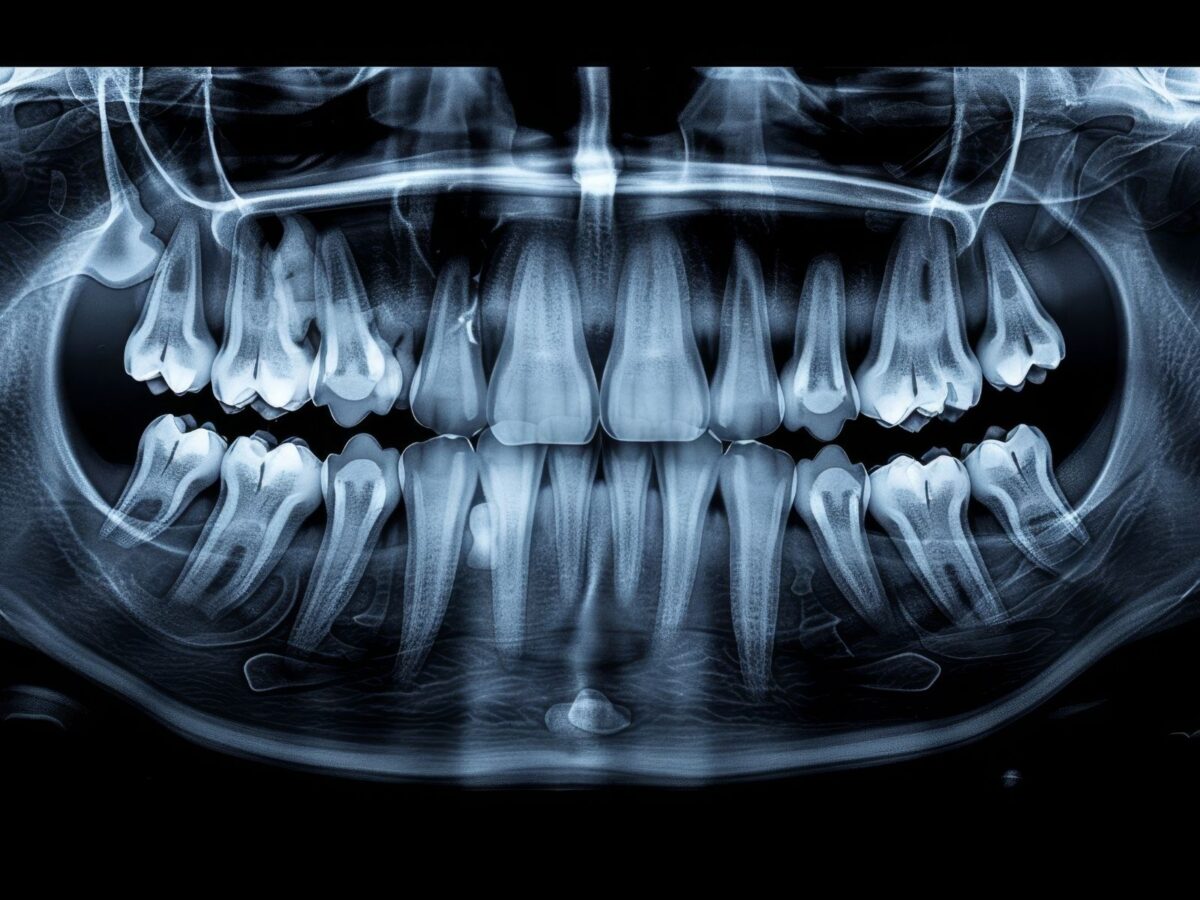
What Is a Panoramic Dental X-Ray and Why Would Your Dentist Order One?
Dental visits tend to follow a rhythm that becomes easy to get used to. You’re in the chair, they check your teeth, and maybe clean them. Every now and then, those quick X-rays. Nothing unusual. It’s something that feels like a routine to you.
Then one visit feels slightly different. Then your dentist brings up a panoramic dental X-ray, and things feel a bit different. The setup changes. The machine is bigger, it moves around your head, and it’s not quite like the usual quick step you’re used to. That’s usually when it makes you pause a bit. Not in a worrying way, just because it’s not something you’re used to. You start thinking about why it’s needed now.
What A Panoramic Dental X-Ray Actually Shows
A panoramic dental X-ray isn’t really about zooming in on one small detail. It’s more about seeing everything together, all in one image. Not just a few teeth, but the full mouth. Both jaws show up, all the teeth, and even areas around them, like the sinuses and jaw joints.
That kind of wider view changes how things are looked at. A small X-ray might clearly show a cavity, but it won’t explain how your teeth sit overall or how the jaw lines up. This fills in that missing part by stepping back a little.
So it’s not really about being better or worse than regular X-rays. It’s just looking at things a bit differently.
Why Dentists Don’t Use It For Every Visit
If it shows more, it seems logical to use it all the time. But most dental visits don’t actually need that level of overview. When the concern is something small, like checking for decay between teeth, the usual X-rays are enough and actually more precise for that purpose.
A dental panoramic X-ray is usually suggested when the dentist needs a broader view. Not just a detail in one spot. It often comes up during planning, or when things don’t really point to a single tooth. The American Dental Association notes that it helps assess overall structures, including how the jaws relate and how teeth are developing.
So it comes into the picture when the situation is a bit broader.
When You’re Most Likely To Need One
There are certain situations where this type of X-ray becomes more useful. Wisdom teeth are probably the most common example, especially when they haven’t fully come in yet. Since they sit at the back and sometimes below the gum line, a wider image helps show their angle and position clearly.
It’s also used in orthodontics. If teeth are going to be moved, it’s not just about one tooth. The dentist or orthodontist needs to see how everything fits together first. That’s where a panoramic X-ray becomes part of planning rather than just diagnosis.
Sometimes it’s used before implants too, just to check bone structure and spacing. So it’s not tied to one reason. It depends on what needs to be seen at that moment.
What The Process Actually Feels Like
Even though the machine looks more complex, the experience itself is simple. You’re asked to stay still while the machine moves around your head. It goes slowly, nothing sudden. There’s no pressure or discomfort. It’s over pretty quickly, usually under a minute.
In some ways, it’s easier than the smaller X-rays because there’s no need to bite down on anything or adjust your position multiple times. You just stay still and let the machine do the work.
So while it looks different, it doesn’t feel like a bigger procedure.
What To Know About The Safety Of A Panoramic Dental X-Ray
People do think about this sometimes. It mostly happens when the machine looks bigger than expected. It’s easy to assume that means more exposure. But it doesn’t really work like that in practice.
Dental X-rays use low levels of radiation. That includes panoramic dental X-rays too. The U.S. Food and Drug Administration considers them safe when they’re used properly, with modern equipment and standard protective measures in place.
Still, they’re not something dentists use casually. They’re usually recommended when the extra information actually helps, not just for the sake of doing another scan or adding unnecessary steps during a routine visit.
What A Panoramic X-Ray Can Catch Early
This is where it becomes more valuable than it first seems. Some issues don’t show up during a regular exam because they’re happening below the surface. There can be things like impacted teeth or changes in the bone that don’t really show up as symptoms. Even cysts can go unnoticed for a while. A panoramic dental X-ray helps bring those into view.
There’s also research from the National Institute of Dental and Craniofacial Research that talks about this. Imaging can pick up things that don’t show in a regular check. So even if nothing feels off, a scan might still catch something small. That’s usually the reason for it.
Why It Can Feel Unnecessary At First
If nothing hurts, it’s easy to question why an X-ray is even being brought up. Most people connect dental problems with pain, so without that, everything seems fine. That’s how it usually seems. But it’s not always the whole picture.
Some issues stay quiet for a while. No clear signs, nothing obvious at first. And by the time anything shows up, it’s often harder to deal with. So a panoramic dental X-ray isn’t always about confirming something is wrong. Sometimes it’s just checking what can’t really be seen yet. Or catching something early before it becomes more of an issue.
How Often Do You Actually Need One
This isn’t something done regularly for everyone. Most people only have panoramic scans occasionally, depending on their dental history and what’s being checked at the time.
For some, it might be during orthodontic planning. For others, when wisdom teeth are being evaluated. Sometimes it’s done before a procedure that needs a better understanding of bone structure. So it doesn’t follow a fixed schedule. It’s more situational than routine.
What The “Bigger Picture” Really Means
Over time, dental care has shifted slightly. It’s not just about fixing problems after they appear. There’s more focus now on understanding structure early, before decisions are made. That’s where imaging fits in.
A panoramic X-ray isn’t only about spotting what’s wrong. It also gives a better sense of how everything is sitting and what that could mean going forward.
So it’s not always about finding something. Sometimes it’s about making sure nothing is being missed.
FAQs
1. Why is this type of X-ray used?
It’s basically a full-mouth image. Everything shows up together, teeth and jaw. Even the surrounding areas are shown, instead of separate pieces.
2. Why would a dentist suggest this type of X-ray?
Usually, when one area isn’t enough on its own. Sometimes things just don’t show clearly in smaller images, so a wider view helps them piece it together.
3. Is this type of X-ray safe?
Yes, it’s considered safe. The radiation is kept low, and it’s not something used without a reason.
4. Is it a long process?
Not long. A few moments, really. The machine rotates, and that’s about it.
Conclusion
A panoramic dental X-ray isn’t something that comes up at every visit. That’s usually why it feels a bit different when your dentist suggests it. It’s not just done out of habit. Most of the time, it’s because they need a wider look at what’s going on, something regular images don’t fully show.
If a dental panoramic X-ray is suggested and you’re not completely sure what it’s for, say something right then. You’re not expected to just understand it immediately. Most explanations are pretty straightforward once you hear them properly. It’s just not always explained in a way that clicks the first time. And if it still feels a bit off or incomplete, ask again. It’s completely fine to take a minute and go through it properly.