Potranco Dental office

Categories
Dental care

Natural Remedies For Preventing And Treating Tooth Decay

Tooth decay is a common dental disease that, if addressed, can cause pain and other oral health problems. Although regular dental care is mandatory, natural treatments can help with cavity prevention and cure. This article will discuss oil pulling, remineralization, and other holistic dental care practices that can aid in preserving healthy teeth and avoiding cavities.

Homemade Remedies for Cavity Prevention and Treatment:

Purifying Your Body With Oil Pulling:

Swishing a natural oil (often coconut or sesame oil) in your mouth for 15-20 minutes and then spitting it out is known as oil pulling, a traditional Ayurvedic practice. Oil pulling has been shown to improve gum health, lessen plaque, and even prevent tooth decay.

Remineralisation:

Teeth can be made stronger and more decay-resistant through a process called remineralization. Remineralizing teeth is made easier by eating calcium-rich foods, such as milk and vegetables. Fluoride-containing dental hygiene products, such as toothpaste and mouthwash, can also aid in remineralization.

Sticks of Xylitol Gum:

Natural sugar replacement xylitol has been shown to inhibit the development of pathogenic microorganisms in the mouth. Tooth decay can be avoided by chewing xylitol gum after meals.

Leafy Greens:

The polyphenols included in green tea have been shown to suppress the growth of germs, including Streptococcus mutans, a major cause of tooth decay. Unsweetened green tea has been shown to improve dental health.

Root of Licorice:

Because of its antibacterial qualities, licorice root can be used as a home treatment to help protect teeth against decay. Get the pure, unsweetened variety if you want to reap the health benefits of chewing on licorice root.

Alternative Methods of Dental Care:

Proper Nutrition:

Essential nutrients for dental health can be found in a diet full of fruits, vegetables, lean meats, and whole grains. Tooth decay can be mitigated by limiting the consumption of sugary and acidic meals and drinks.

Preventative Dental Care:

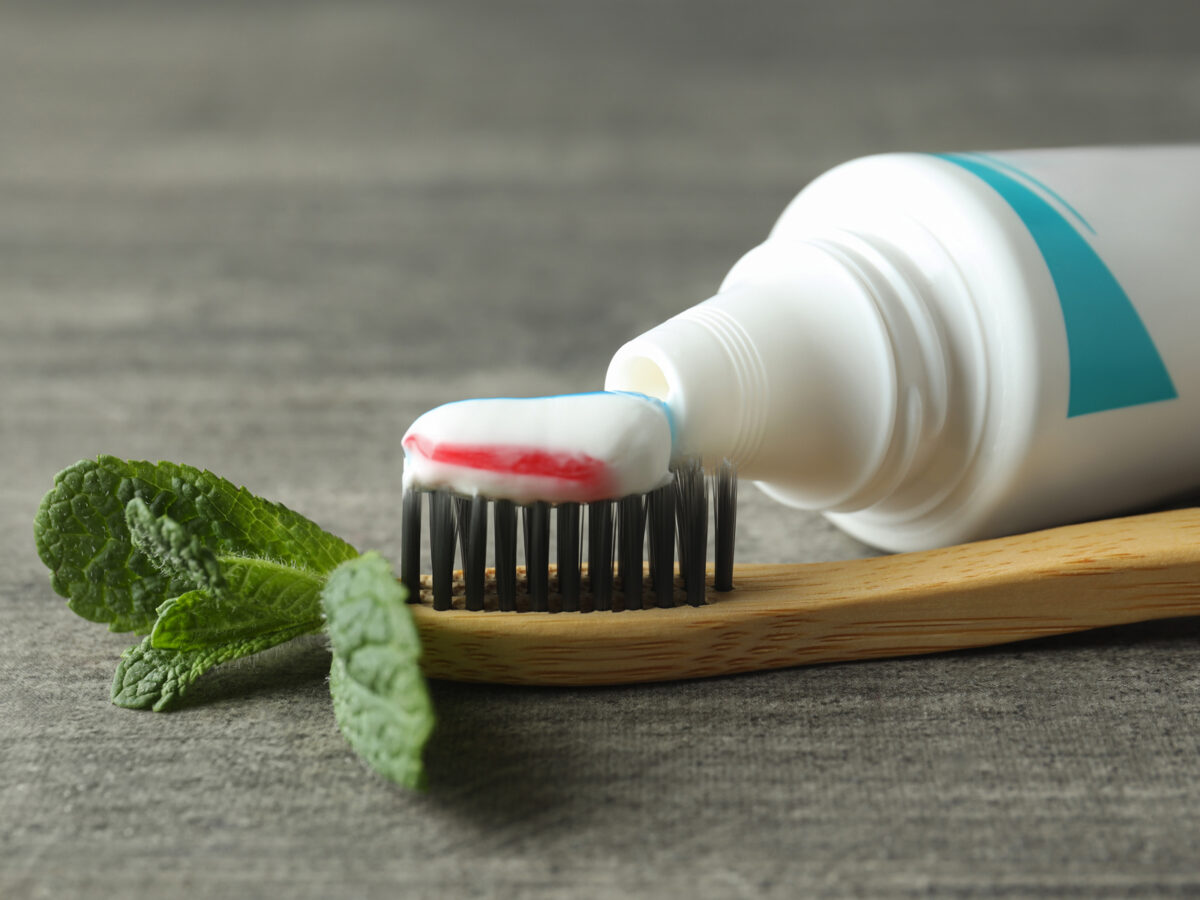
Tooth decay can be avoided by regular brushing and flossing. To get the best results from brushing, use fluoride toothpaste with a soft-bristled toothbrush.

Hydration:

Water helps sustain saliva production, which protects teeth from acid attacks and cavities.

Reducing Stress:

Grinding your teeth (bruxism) and other oral health problems have been linked to high-stress levels. Meditation and other forms of yoga are helpful for stress management.

Put down the booze and cigarettes:

Tooth decay and other oral health issues may be exacerbated by the use of tobacco products and the excessive intake of alcohol. Their use must be limited or eliminated.

Visits to the Dentist Twice a Year:

Check your teeth and gums regularly so any problems can be addressed immediately. Natural treatments and holistic dental care are options that dentists can advise on.

Rinse with Fluoride:

Using a fluoride mouthwash can fortify tooth enamel against acid attacks.

Don’t Use Whitening Products Too Often:

Too much use of teeth whitening products, while they can enhance your smile’s appearance, can also weaken your enamel and raise your risk of dental decay.

Conclusion:

Tooth decay can be prevented and treated with the help of natural treatments and holistic dental care practices. Optimal oral health can be achieved by combining conventional dental treatment with remineralization procedures, balanced dietary choices, and oil pulling. Good oral hygiene, stress management, and avoiding dangerous habits like tobacco and excessive alcohol are crucial for protecting and preserving teeth. Maintaining good oral health is easier when you see a dentist regularly for checkups and get individualized recommendations for natural treatments.
Categories
Dental care

Why Is Professional Dental Cleaning Important For Oral Health?

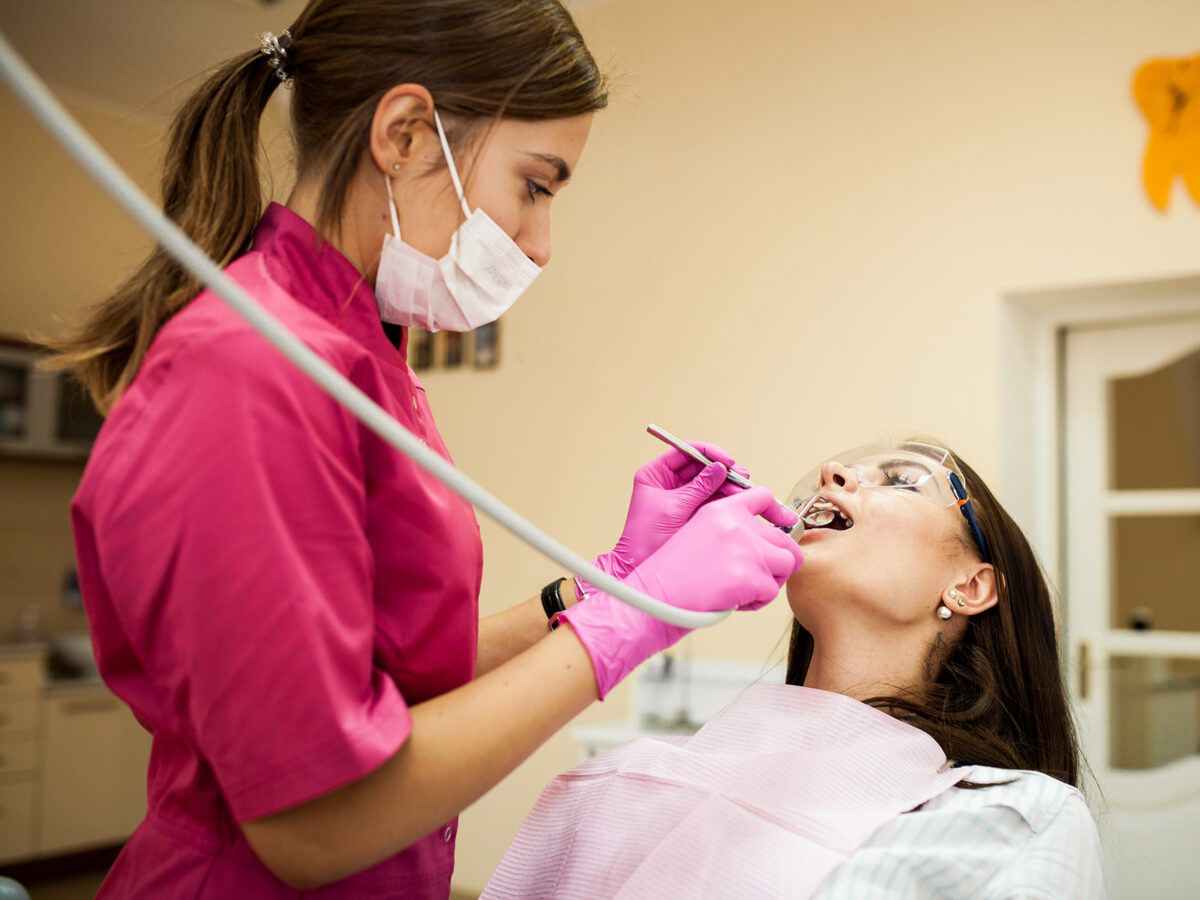
While daily oral hygiene rituals like brushing and flossing are indispensable, they don’t supplant the need for professional dental cleanings. Even with meticulous daily care, achieving the level of cleanliness that a professional cleaning offers is challenging. 

Conducted by dental hygienists or dentists, professional cleanings confer numerous benefits that transcend at-home care. In this article, we’ll elucidate why professional dental cleanings are pivotal for oral health.

Reasons To Opt For Professional Dental Cleanings:

Removing Plaque and Tartar: A primary incentive for professional cleanings is the eradication of plaque and tartar. Plaque, a bacterial film, can precipitate tooth decay and gum disease if not addressed. Over time, it can calcify into tartar, which is impervious to regular brushing and flossing. During professional cleanings, dentists employ specialized instruments to meticulously remove tartar, forestalling its adverse effects.

Preventing Gum Disease: Gum disease, or periodontal disease, is a pervasive and grave oral health concern. Gingivitis, an early manifestation, results in red, swollen, and bleeding gums. If unchecked, it can evolve into periodontitis, culminating in tooth loss and other complications. Professional cleanings can preempt gum disease by thoroughly cleaning areas prone to plaque and tartar accumulation.

Early Detection of Dental Issues: Routine dental cleanings offer a window for early detection of potential dental problems. Dental professionals can identify issues like cavities or cracks that might elude your notice. Early intervention can prevent these issues from intensifying, obviating the need for more invasive treatments later.

Brightening Your Smile: Aesthetic benefits also accompany professional cleanings. By removing surface stains from agents like coffee or wine, your teeth can regain their natural luster, enhancing your smile.

Fresh Breath: Chronic bad breath, or halitosis, can be socially debilitating. Often a byproduct of oral bacteria, professional cleanings can effectively mitigate this issue. Beyond just cleaning, dental professionals can also offer guidance on maintaining fresh breath.

Oral Cancer Screening: Oral cancer, if undetected, can be lethal. During cleanings, dentists often conduct screenings, identifying early signs that might escape your attention. Early detection significantly augments the chances of successful treatment.

Economic and Time Savings: Proactive dental care, epitomized by regular cleanings, can be economically prudent. By addressing dental issues in their infancy, you can avert expensive treatments later. This not only saves money but also reduces the time spent on extensive dental procedures.

Conclusion:

Professional dental cleanings are an integral facet of holistic oral health. They offer benefits that daily brushing and flossing alone cannot. From tartar removal, gum disease prevention, and early problem detection, to aesthetic enhancements and cancer screenings, the advantages are manifold. 

Investing in these cleanings can not only bolster oral health but also yield long-term economic benefits. Hence, never underestimate the power of routine dental appointments; they’re a cornerstone of a radiant smile and overall health.


Categories
Dental care

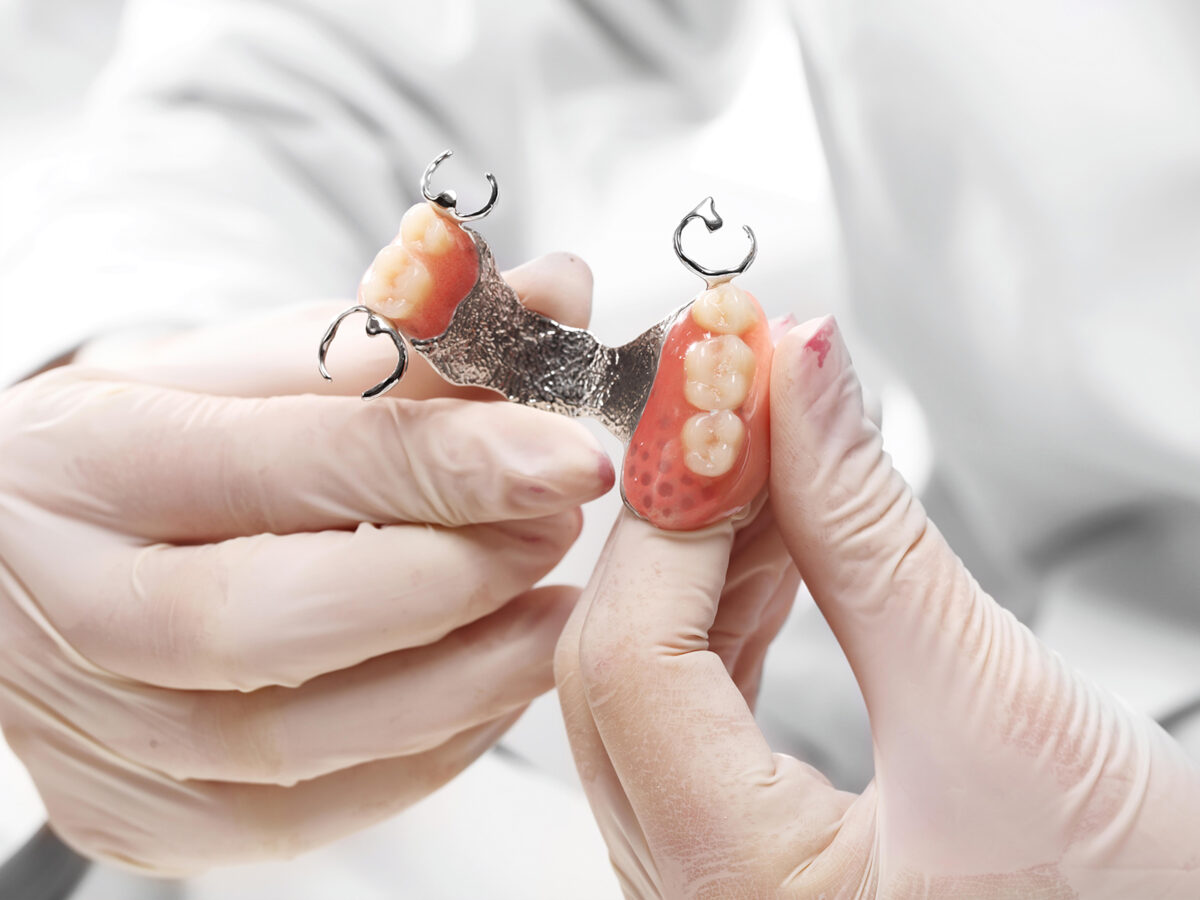
Common Concerns and Solutions for Partial Denture Wearers

Have you ever wondered how teenagers participate in physical workouts and contact sports without damaging their teeth or breaking metal brackets and wires? If you observe closely, you’ll notice that many teenagers wear braces. Protecting these braces during physical activity might seem challenging, but having braces doesn’t mean one has to remain inactive.

Many athletes adhere to guidelines provided by their orthodontists. Those with braces who are concerned about potential injuries during physical activities take additional precautions to protect both their teeth and braces. In this blog, we’ll discuss the relationship between braces and sports and the necessary precautions to ensure safety.

Always Wear An Orthodontic Mouthguard

Every athlete, regardless of whether they’re undergoing orthodontic treatment, should wear a mouthguard during practices and competitive games. This is especially crucial for those with braces, as a single accident can set back the treatment process by weeks or even months. 

Using a mouthguard can prevent damage to orthodontic equipment, such as braces. Orthodontic mouthguards are specifically designed to fit comfortably over braces, offering an added layer of protection for the athlete’s gums, teeth, and lips.

Avoid Certain Snacks And Sports Drinks

In addition to potential injuries, athletes with braces should be mindful of their diet during training and games. Sports gels, energy drinks, and bars often contain high levels of sugars and acids. These can lead to white marks around the brackets of braces wearers. 

Some sports snacks, like sticky bars, can get trapped in braces, causing discomfort. Acidic gels and drinks can also stain aligner trays. It’s essential to choose foods and drinks that offer nutritional benefits without jeopardizing oral health.

Stay Mindful About Braces

While a mouthguard can significantly reduce potential damage from sports injuries, the best way to prevent issues is to avoid accidents altogether. Parents should remind their children about the importance of caution, emphasizing that accidents can hinder their treatment progress. 

Due to the adrenaline rush during sports, many athletes forget they’re wearing braces, leading to potential carelessness.

Act Quickly In Case Of An Accident

Accidents are unpredictable. If an athlete with braces experiences an impact on the mouth, it’s essential to check the braces for damage. If a wire breaks or a bracket becomes loose, they should inform their parents or coach immediately. Scheduling a dentist appointment as soon as possible can mitigate further complications.

Final Overview

Parents might be hesitant about letting their children play sports while wearing braces. However, with the right precautions, there’s no need to halt athletic activities. By ensuring safety measures are in place and responding promptly to emergencies, parents can help their children balance sports and orthodontic treatment. 

Always inform the coach about the child’s orthodontic situation and ensure they wear a mouthguard during games. A little effort can ensure a child’s athletic aspirations aren’t compromised.