Potranco Dental office

Categories
Dental care

What are the blue dots on my Invisalign?

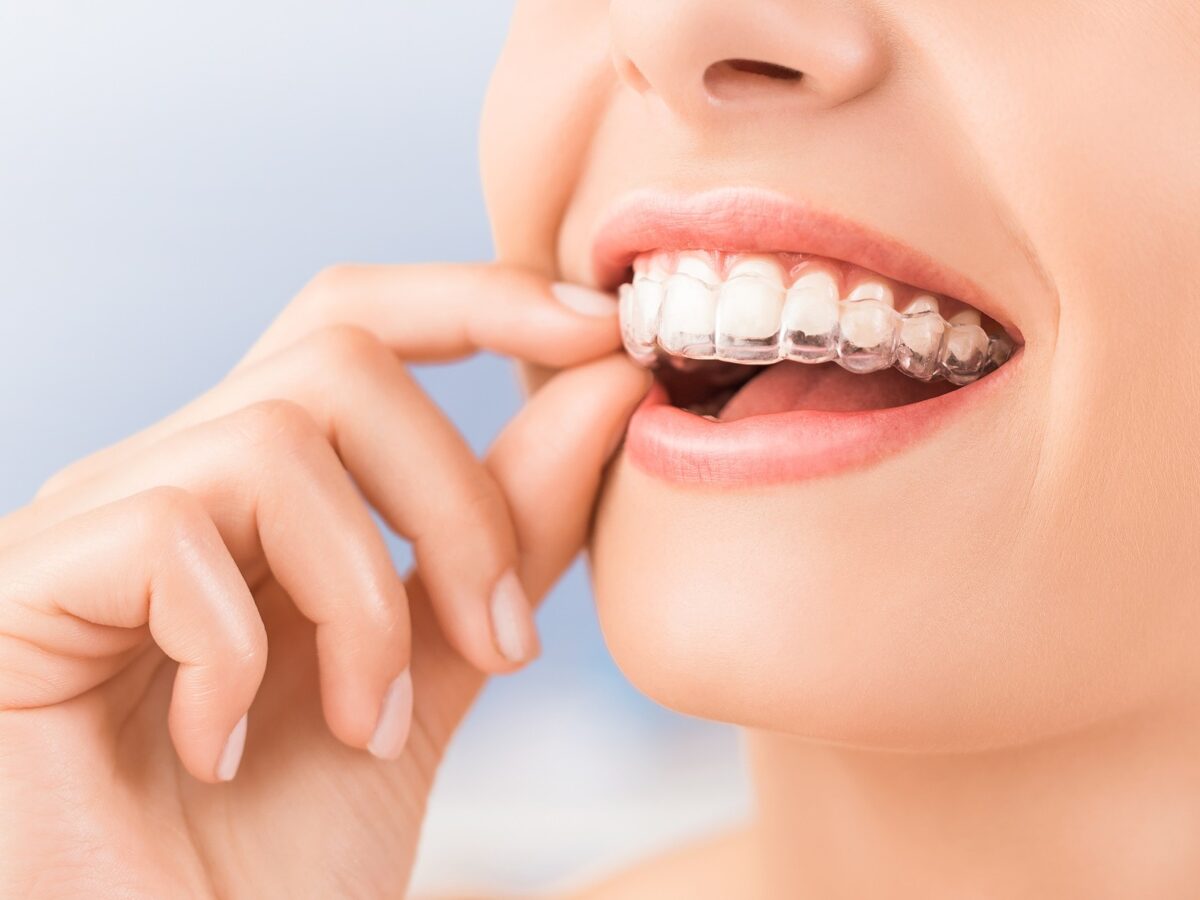
The blue dot on Invisalign is called a compliance indicator. Invisalign Teen Compliance Indicators are a series of blue dots on the backs of the aligners. The dots can’t be seen when the aligner is worn. The blue dots will slowly fade away over the two weeks when the aligners are worn. If you fail to wear the aligners as you should not, the blue dots will still be visible to your orthodontist. 

The compliance indicators can also tell the orthodontist if the treatment is effective. For example, if a patient has been diligent about wearing the aligners as prescribed, yet the hoped-for tooth movement is not taking place, the orthodontist can adjust the treatment plan accordingly.

Why is a blue dot or compliance indicator important in Invisalign?

If the orthodontist consistently sees the blue dots when the patient comes back for checkups, they’ll be able to tell that the patient is probably not following directions for aligner wear. This will allow the orthodontist to remind the patient and their parents about why wearing the aligners as recommended is important. The orthodontist may even discuss other treatment options such as traditional metal braces if the patient can’t or won’t comply with Invisalign treatment instructions.Since Invisalign aligners are removable patients can take them out to eat, drink, and care for their teeth. This might make it tempting to remove them more often than prescribed and that’s where Invisalign Teen Compliance Indicators come in. In addition, the blue dots or compliance Indicators help remedy this problem, making it easier for the dentist to tell if their patients are following directions.

Lastly, if you face any problem with your Invisalign treatment it is essential to consult your dentist for proper treatment and guidance.

Categories
Dental care

Is Invisalign faster than braces?

Both Invisalign and traditional metal braces are effective teeth straightening treatments. However, both have pretty different approaches to teeth straightening. The traditional metal braces have elastic wires and brackets, which help shift your teeth to the desired position. In addition, Invisalign aligners are clear plastic braces and do not have elastic or wires. Apart from these, various other distinctions make Invisalign different from traditional braces. When it comes to saying which one is faster in terms of treatment, a few things come into play.

It is important to understand that the time of the treatment solely depends on the condition of your tooth. If your teeth are not significantly misaligned or crooked it will take less time compared to more serious cases. However, Invisalign aligners are faster compared to traditional metal braces. In general, the Invisalign aligners take around 9-14 months (including complex cases) and on the other hand, traditional braces can take up to 2 years or more to perfectly align your teeth. For example, if you have minor imperfections or misaligned teeth, it could take up to 6-7 months to see the desired results with Invisalign, and in more complex cases like crossbite can take up to 12-14 months. However, Invisalign is faster in showing visible results than traditional metal braces.

Benefits of using Invisalign aligners

There are several benefits apart from the treatment time why people choose Invisalign aligners. Some of the benefits of Invisalign are listed below:

  • You don’t have to wear Invisalign all the time.
  • It is easy to maintain oral hygiene with Invisalign as you can remove it while eating and drinking.
  • Provides comfort.
  • Easy and quick treatment process when compared to traditional braces.

Lastly, if you face any problem with your Invisalign treatment it is important to consult your dentist for a proper treatment.

Categories
Dental care

How long do your teeth hurt after getting Invisalign?

If you are new to Invisalign treatment, it is evident that your teeth will take some time to adjust to the aligners, and in the process of adjusting to the Invisalign braces, you have to face discomfort and pain to some extent. Your teeth can hurt after you get Invisalign braces, but it will subside slowly as you get used to it.

Invisalign treatments are not very painful, but they can cause soreness and swelling in your jaw and teeth in the initial days of the treatment. Invisalign aligners work just like the traditional braces, and it may feel uncomfortable because of the pressure your Invisalign out on your teeth. In addition, you can feel pain in your upper and lower jaw because of the tight grip of your aligners.

However, your Invisalign aligners do not have brackets and wires; they can still cause pain and discomfort like any other orthodontic treatment due to the force and tension applied to your teeth. 

How long your Invisalign treatment can hurt?

Generally, the discomfort your Invisalign aligners cause will last for four to five days after wearing the new Invisalign tray. Your Invisalign tray needs to be changed after every two weeks, and patients often experience some degree of discomfort and pain after changing the Invisalign trays. So, you can experience discomfort every two weeks after changing your Invisalign tray though the pain, discomfort, and soreness will eventually subside. You will get used to the Invisalign braces.

If you feel the pain is really bothering you, you can use a cold compress, ice cubes, or cold water to comfort or ease the soreness and pain in your teeth. 

Lastly, if you face any problem with your Invisalign treatment, it is essential to consult your dentist for proper treatment.

Categories
Dental care

Talk normally with Invisalign

Today, when we think of a way to upgrade our smile, we think of Invisalign. Less permanent, less visible, and less invasive. Like other orthodontic treatments, patients considering Invisalign can be concerned about its impacts. The concern makes sense because what is the point of wearing discreet braces when you will be giving away the secret by the way you speak?

Any orthodontic appliance installed in the mouth can affect speech, mainly when the dental appliance adds extra thickness to the roof of the mouth or in the area behind the front teeth. The good thing about Invisalign is that the issues experienced are temporary, minimal, and easily fixable.

Will Invisalign cause speech impediments?

No. Not very likely! The aligners are made out of very thin clear plastic, which makes the impact, if any, very minor. That means you are unlikely to have any significant speech impediments. As you grow familiar with the presence of Invisalign, your speech is going to go back to the crisp self again.

When you start wearing Invisalign, you might observe a slight lisp while talking, mainly when trying to make the ‘sh’ or ‘s’ sounds. The lisp, however, will be noticeable to you only and not to anyone you speak with. In addition, this lisp will eventually fade as you get more accustomed to wearing your aligners.

As per a study, 93% of Invisalign patients reported no difficulties with speech after wearing Invisalign. Going by these numbers, you do not need to worry.

Tips to get over speech problems (if any):

Though unlikely, some patients might notice a slight lisp or feel trouble enunciating some words. It can be vexing, but it is temporary and standard with the treatment. Here are some helpful tips:

  • Practice: Start by practicing the correct pronunciation privately. Then, you can try over-enunciating or focus on the most challenging words.

  • Read loudly: Try reading aloud to yourself or a loved one if you notice a lisp. Find words you have trouble with and repeat those until you get a hold.

  • Speak slowly & Record: Use a handheld recording device as you speak at a relaxed pace. It will help you pinpoint words, phrases, or sounds you have difficulty with.

Schedule your appointment with a dentist today and get the treatment on time!

Categories
Dental care

What is the best natural whitener for teeth?

Some teeth whitening products available in the market use chemical compounds to bleach the teeth’ enamel. This is a challenge for plenty of people. You can also whiten your teeth without using damaging chemical compounds. There are many methods to whiten your enamel naturally. You should purchase herbal whitening products, try home remedies, or use a combination of each for a brighter smile.

Below are some ways to brighten your teeth using home remedies: 
Maintain good oral Hygiene: 

  • Brush your teeth two times a day for 2 mins at a time
  • Floss to keep away from colored meals from getting stuck in your teeth
  • Visit your dentist once in six months for expert teeth cleanings

Consume a Balanced and Healthy Diet
Many wholesome ingredients also can enhance your oral health, strength, and brightness. These include, however, aren’t constrained to: 

  • Pineapple (carries bromelain, an anti-inflammatory compound that allows disposal of stains)
  • Dairy products (boom saliva manufacturing to assist dispose of stains)

Include Enough Calcium in Your DietCalcium is crucial for robust bones, consisting of your enamel. The more potent your teeth are, the least are the chances of damage. And the much less broken your enamel is, the much less inclined they’re to yellowing.

Eat Fruits that are rich in Papain and Bromelain
Fruits like papayas and pineapples include the enzymes papain and bromelain, which have been proven to have whitening outcomes on teeth. However, greater studies continue to be being accomplished on the effectiveness of those enzymes.

Use Diluted Hydrogen Peroxide and Baking Soda
Hydrogen peroxide (HP) is a herbal bleaching agent. It also kills the mouth bacteria, saving you from cavities and oral disease. It is safe and best to apply whitening products that incorporate 1 to 1.5 percent hydrogen peroxide. Many of those products additionally have small quantities of baking soda. 

Hopefully, any of these natural remedies work for your teeth. 
Schedule your appointment with a dentist today and get the treatment on time!

Categories
Dental care

Why does my root canal hurt more at night?

Are you facing a throbbing toothache that is keeping you up at night? Toothaches after root canals can be nagging all day, but they are the worst during the night.  

Here are a few to let you know the reason behind the discomfort so you can get a good sleep at night.

  1. After a root canal, the primary reason why toothaches are bitterer at night is how you lay while sleeping. Positions cause more blood to rush to our brains, imposing extra strain on areas such as our jaws. We do not feel that bothersome discomfort during the day because we are mainly working or sitting.
  2. Late night dinners, midnight snacks, or eating sweets before bed, some of the food that is clung between our teeth can deepen a toothache.
  3. Due to discomfort, some people unconsciously gnaw their teeth at nighttime. They may wake up rolling in pain because teeth gnawing is stressful on the teeth and gums. This can be a severe condition and can remove the crown.
  4. After surgery, the same night, we are more conscious of the senses in our bodies because there are occasional distractions/interruptions. We may think that our toothache is increasing, but the reality is, it is not—we simply  ponder it is growing more as we are empty in our minds.

Do not worry! We will help you lessen the toothaches during the night.
If your toothache feels severe, fortunately, here are a few ways to give you brief relief so you can sleep:

  1. Make sure that you avoid stiff and sticky foods that stick or remove the crown.
  2. Refrain from aerated drinks as they can irritate the sensitive area and cause pain.
  3. Avoid alcohol as it could increase bleeding.
  4. Avoid excessive hot food.
  5. Give compression by applying a pack of ice on the affected area of your jaw. 

Even though the word “root canal” appears to give anxiety to many individuals. However, nearly all people feel healed and better soon after the treatment.

Schedule your appointment with a dentist today and get the treatment on time!

Categories
Dental care

How do I know if my tooth abscess is spreading?

Commonly, tooth abscess is known to start with a toothache. So, if your sore and throbbing tooth is left untreated, it can become infected, and then if you choose to avoid the problem, the infection can further spread to other parts of your body. To ensure your tooth abscess is spreading, you must know all the symptoms of tooth infection and then signs of infection spreading in the body. 

Symptoms of Tooth Infection
Here are some common symptoms of an infected tooth: 

  • There is constant pulsating pain in the ear, jawbone, and neck (generally on the same side as the toothache). 
  • Cheek swelling
  • Fever
  • Lousy breath & unpleasant taste in the mouth 
  • Frequent sensitivity to cold and hot foods and drinks. 
  • Pain that worsens when you lie down. 
  • Continuous throbbing tooth pain 
  • Sensitivity to pressure in the mouth. 

Symptoms of Tooth Infection Spreading in the Body
When an infected tooth is not well-treated or entirely ignored, the infection can spread elsewhere in your body, which is probably life-threatening. Check out the following symptoms that the tooth infection spread includes: 

  • Continuously feeling unwell 
  • Dizziness and headache. 
  • Fever 
  • Sweating and chills
  • fatigue 
  • Frequent dehydration
  • Dark urine 
  • Increase in heart rate 
  • The constant increase in heart rate and breathing 
  • Face swells 
  • Skin flushing 
  • Swelling impedes breathing and swallowing. 
  • Vomiting and diarrhea.
  • Rapid pulse rate

How Does a Tooth Get Infected? 
Generally, a tooth is infected when bacteria enter the tooth through a crack, chip, or cavity. Moreover, your risk factor for a tooth infection increases if you have: 

  • Bad oral hygiene, including not brushing your teeth twice a day and not flossing 
  • Constant dry mouth usually results from aging or as a side effect of specific medications.
  • Consuming a high sugar diet, like eating sweets and drinking soda. 

Therefore, not all toothaches should be associated with severe health concerns. But if you’re undergoing a constant toothache, it’s better to consult a trusted dentist to get reliable treatment before it gets worse. 

Categories
Dental care

Which material is best for Dentures?

Dentures are prosthetic appliances that are tasked with the responsibility of fixing dental anomalies caused by tooth decay, facial injuries, gum diseases, and so forth. In simple words, dentures act as synthetic replacements for missing teeth. They have made the lives of millions of people more accessible by helping them eat, speak, and smile better. Dentures are composed of diverse materials, ranging from acrylics to plastics to metals, and let us try and examine which are the best ones.

Denture Materials: Which Is the Best Option?

  1. Porcelain: They are the most natural-looking dentures. They are durable, resilient, and very long-lasting. A lot of people nowadays prefer porcelain dentures because of their immaculate aesthetic appeal. Porcelain dentures are also waterproof and support organic jaw movements.
  2. Acrylic: They are, indeed, a popular option owing to their affordable price, good quality, and comparatively aesthetic looks. Acrylic dentures are easily adjustable and very comfortable to wear. But, acrylic dentures wear down quickly and need a replacement after every five years.
  3. Metal: They are durable, long-lasting, and pretty comfortable. Many denture wearers say that metal dentures feel natural, and they can adjust easily. Metal partial dentures are pretty popular among people.

In conclusion, the answer to the question of which denture material is the best is an entirely subjective one. The choice between denture materials depends upon the budget, type, and severity of oral conditions, general availability, and recommendation from doctors, and so on. So, in case you are on the lookout for the best denture material for yourself, choose the one that fits your budget and looks aesthetically appealing for your needs. The practicality and comfort of dentures are the first things you should keep in mind before opting for any kind of dentures.

Schedule your appointment with a dentist today and get the treatment on time!

Categories
Dental care

What Your Dentist Wants You To Know About Tobacco

Before the mid-60s, smoking was a sign of something hip and stylish. Cigarette companies did a big business by projecting smoking as one of the healthy habits. Fortunately, with the development of science, we have all realized how detrimental smoking is for health in many ways. It can kill you, give you mouth cancer, and also cause a lot of dental issues.

If you have been struggling to get out of tobacco addiction, then this article will give you enough motivation to discard cigarettes and move them out of your life. A friendly chat with your dentist would reveal many things which will help you lead a healthier and longer life.

What Your Dentist Will Tell You About Tobacco

Besides the smoker’s breath and staining of teeth, here are a plethora of things that smoking can induce in your oral health:

  • Plaque and tartar buildup – Smokers and tobacco eaters have more tartar and plaque buildup. With smoking, a reaction is triggered in your body’s cells that change your body’s pH balance, which increases the risk of plaque buildup. If this plaque buildup is not treated in time and you continue to smoke, it develops into hard tartar. Tartar is something that only a dental professional can remove, and it worsens gum problems. All this affects not just the looks of your teeth (leaving yellowish brown deposits on teeth and gum line) but also worsens gum diseases, leading to tooth loss.
  • Increased risk of gum diseases – Since smoking increases plaque and tartar buildup, it worsens gum diseases or starts its onset directly. By smoking regularly, you are also dealing with the chances of your gum’s healing process. It practically means your gums can worsen in a brief period and take much longer to bounce back to their original form. Your dentist would make you aware of these problems to save not just your teeth but also your gums.
  • Bad breath – Our lungs are made up of spongy tissues known as bronchioles. Bronchioles have many small holes in them, which allows the air to pass through. When you inhale tobacco smoke, these tiny air holes are filled by the smoke, and the trapped smoke clings to bronchioles. When you talk, laugh, or exhale, this smoke loosens up and comes out, resulting in the smoker’s breath. Many times this is old smoke that was trapped in your lungs and getting released later and causing a sour aroma. Your dentist will be sure to remind you that such smoke particles trapped in your lungs affect your body beyond just bad teeth and dental health.
  • Increased chance of mouth cancer – Those who smoke are six times more likely to get mouth cancer than non-smokers.

Apart from the top reasons listed here for quitting tobacco, many other things can be worsened by smoking, like increased bone loss within the jaw, lowering the success rate of any dental implants, etc. With the non-judgmental and friendly atmosphere of a dentist’s office, you will be more open to changing your ways by eliminating smoking-habit and going for teeth cleaning and other procedures to restore your healthy and beautiful smile.

Book an Appointment to find out which treatment might be best for you.

Categories
Dental care

Can I use baking soda instead of toothpaste?

Everyone aspires to have teeth that are radiant, healthy, and aligned. A captivating smile and beautiful, pearly white teeth are a match made in heaven. But, it is no easy feat to take proper care of our overall oral health. It requires dedication and effort to maintain and manage our dental routine. Since childhood, we have been taught that regular brushing is the key to keep teeth happy and healthy. The toothbrush and toothpaste have become such an ingrained part of our daily lives that we hardly extend a second thought towards them. But, the pressing question is, do we need toothpaste to brush our teeth or are we good to go with using certain natural ingredients? Well, one kitchen ingredient that is revolutionizing the realm of alternate dentistry is baking soda. So, let’s find out if baking soda is suitable for us and brush our teeth using it?

Baking soda – a viable alternative to toothpaste?

Baking soda or Sodium bicarbonate is a multi-purpose kitchen ingredient that is very fine in texture and white in color. Studies reveal that baking soda can be used as an alternative to toothpaste as it has antibacterial, whitening, and cleaning properties. Baking soda is an inexpensive and readily available teeth cleanser for people who want to avoid toothpaste fluoride. It is mildly abrasive and can lighten extrinsic teeth stains and also scrub away dental plaque. But, we must remember that baking soda is devoid of any fluoride that hence, ineffective in preventing cavities. 

Advantages of brushing teeth using baking soda

  1. It is a proven assertion that baking soda is an effective tooth-cleaning agent. When sodium bicarbonate or baking soda comes in contact with water, it transforms into an alkaline solution that releases free radicals. These free radicals facilitate teeth whitening.
  2. Baking soda is mildly abrasive and can brush away external teeth stains like those formed due to eating habits and so forth.
  3. An astounding advantage of using baking soda to brush teeth is that it can calm mouth ulcers. The alkaline solution of baking soda and water neutralizes the acidic nature of ulcers and relieves pain.
  4. Baking soda is grainy and abrasive. Hence, it can disrupt the biofilm of plaque that attaches to the surface of the teeth. Therefore, baking soda assists in preventing teeth and gum damage.
  5. A 2017 study revealed that rinsing the mouth with a solution of water and baking soda increases the Ph level in our mouths, making them more acidic. Hence, baking soda can curtail the multiplication of bacteria in our mouths.

Things to keep in mind before using baking soda to brush teeth

But, before hopping on to using this au natural ingredient for immaculate teeth and gums, we must remember certain things:

  1. Baking soda, on its own, tastes foul and leaves a grainy sensation in the mouth. The unappealing feel and taste of the product can discourage many people from using it regularly to brush teeth. 
  2. The whitening effects of baking soda are less dramatic because it is mildly abrasive.
  3. The lack of fluoride in plain baking soda can be significantly detrimental as fluoride is essential to keep the enamel strong and healthy.

Thus, the optimal way to include baking soda in our dental hygiene regimen is to use toothpaste with an ample concentration of baking soda and other valuable ingredients like peppermint.

Book Appointment to find out which treatment might be best for you.

Categories
Dental care

What are dental spacers for adults?

Braces are a common word as almost every one of us is aware of their use and implementation. But how many of us are known to dental spacers? Well, spacers, as the name signifies, create spaces between the teeth for their proper alignment and for placing the other treatment appliances. Dental spacers are also known as orthodontic separators and have turned out to be very useful in dentistry.

Why Exactly Do you Need Spacers?

When you go to the dentist for putting the braces, it doesn’t matter for what reason, you will come across the word-dental spacer. Let us understand this in detail- when the space between the teeth is not enough, braces cannot be incorporated into them. So, when you visit the orthodontist, he will recommend you to wear spacers and will let you know of them. You need not worry as the dentist will properly analyze if you require the spacers or not, only after the assessment, he will suggest them to you.

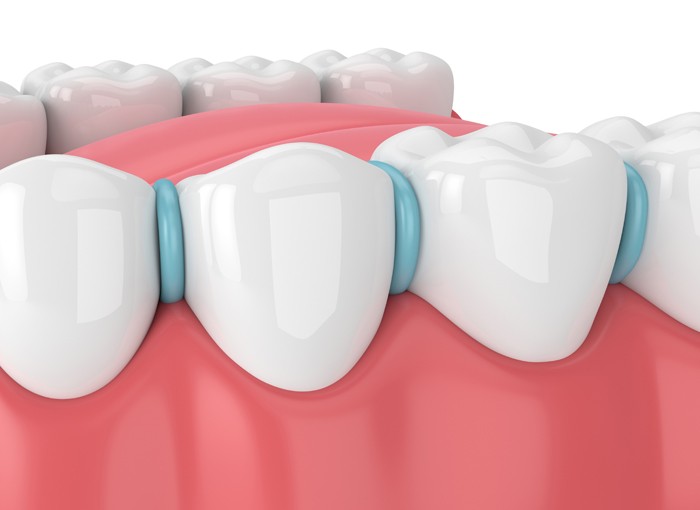
Thus, it is clear that spacers are used by those about to get braces and have less space than required between their molar teeth. The word dental separator is encountered before when you are about to wear braces to correct the alignment of the teeth, and it is advised to go through them in detail before using them. Generally, spacers are in the form of elastic rings that are inserted between the teeth. They look like colored bands, and one can choose any color of their choice.

What is the Procedure to Get the Spacer Fixed?

Spacers are usually fixed a week before the braces are to be used. Now the time duration for which one will have to wear depends on the requirement of the treatment. It may vary from 3 days to during the entire treatment. Below is the complete procedure in detail-

  • The first and foremost step is the consultation with the dentist. He will inform you about the steps required and make you familiar with the further procedure.
  • In the next meeting with the dentist, you will receive the spacers, which will be thoroughly cleaned and flossed already. Flossing at this step is necessary as you will not be able to do it after you wear the spacers.
  • After the teeth are flossed and cleaned, the elastic rubber is stretched around the molar. From the bottom, it will rest on the gum line and will lie below the crown of the teeth.

The placement of spacers may cause severe pain for many and a mild one for others. The pain is generally more when the teeth are very close to each other or in wearing the metal spacers. Though you will be provided with relief medication, you can also take some preventive steps to relieve yourself. These steps include avoiding hard and crunchy food. Moreover, cold food will also do some good for the pain.

So, dental spacers are used to create spaces to fix the braces in adults. Before you get them, know everything and take every precaution guided by the dentist.

Book Appointment to find out which treatment might be best for you.