Blog
Dental hygiene tips for healthy teeth & gums
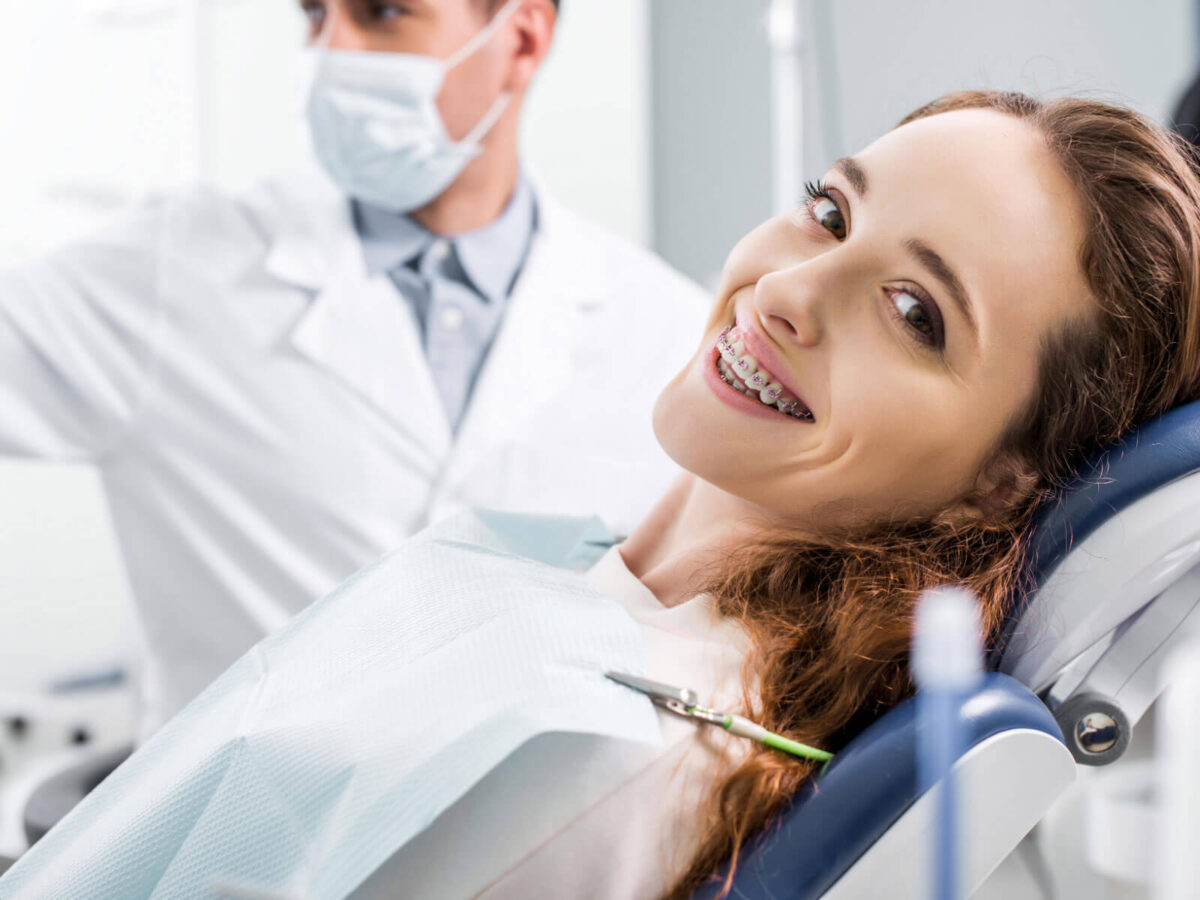
What Is Adult Orthodontics?
There’s something quietly unexpected about thinking about braces as an adult. Most people associate orthodontic treatment with their teenage years, with classroom chatter and photo days that now seem far away. It belongs to that corner of your memory tied to awkward phases and figuring things out. So when it shows up again years later, there’s a small pause before you even know what to think.
Then you start noticing small things. Teeth that weren’t crowded before feel tighter. Your bite doesn’t sit the way it used to. Floss catches in places that once felt easy. Maybe you’ve noticed it for years, but only now does doing something about it feel possible. Life looks a little steadier. The timing feels different. So you end up searching for adult orthodontics, curious, yet quietly wondering if you waited longer than you should have.
You haven’t. Adults now make up a growing share of orthodontic patients. The American Association of Orthodontists has reported steady increases in adult treatment over the past decade. This isn’t about trends. It’s about timing. People choose care when their priorities, confidence, and circumstances finally line up.
Why Adults Start Thinking About It
The reasons are rarely identical, and they’re usually more layered than they first sound. Some adults simply never had braces growing up. Maybe it wasn’t financially possible at the time, or maybe the crowding didn’t seem serious enough to prioritize. Others actually did complete treatment years ago but slowly stopped wearing their retainers. Life gets busy. Habits slip. Teeth, however, don’t forget where they started. Without consistent retention, they shift back little by little.
The shifting happens slowly at first. You don’t really clock it right away. Maybe a front tooth looks like it’s sitting a little further forward than before. Or when you chew, something just feels slightly off, even if you can’t fully explain what changed. Flossing becomes trickier in certain spots, and you can’t quite remember when that started.
It doesn’t always start with appearance. Sometimes it’s just noticing that cleaning feels harder lately. Overlapping teeth trap things. A slightly uneven bite puts stress in places you didn’t think about before. That mix of small concerns is often what leads someone to explore adult orthodontics.
What Changes When You Start Later
The process of moving teeth is biologically similar regardless of age. Controlled pressure allows bone to remodel gradually, guiding teeth into new positions. What changes in adulthood is the surrounding landscape.
Adult jaws are fully developed, which means growth modification techniques used in children are no longer an option. By adulthood, many people have had some dental work done, whether it’s a crown, a bridge, or an implant. That changes how treatment is planned. Healthy gums are just as important, since teeth rely on that support when they’re being adjusted.
With adult orthodontic treatment, it’s usually not just one provider involved. Your orthodontist might touch base with your regular dentist first, just to be sure everything looks healthy before anything starts shifting. It’s not more complicated in a dramatic way. It’s just more individualized.
The Options Adults Have Today
More people are looking into adult orthodontics now, partly because the choices don’t feel as overwhelming as they once did. Braces aren’t what many remember from school. Metal brackets haven’t disappeared. In fact, they’re sometimes the best tool for tougher corrections. They’re just no longer the only path people consider.
There are ceramic options that blend in better and clear aligners that can be removed for meals or meetings. That flexibility is what draws many adults in. At the same time, aligners only work if you actually wear them as instructed. Fixed braces take that decision out of your hands, though they’re more noticeable.
In the end, it’s less about age and more about daily routine. There isn’t one single “grown-up” option. The right choice usually depends on how your bite looks and what fits realistically into your life.
The Time Factor
What tends to hold adults back isn’t whether treatment works, but whether they have room for it in their lives. A year or two sounds long when your days already feel full with work and family. At fourteen, time moves differently. As an adult, you measure it against responsibilities.
Treatment often runs about a year or two, depending on the case, and the check-ins are spaced out enough that they don’t constantly interrupt your week. After the initial phase, it stops feeling new. You carry on with work, social plans, and normal conversations. It doesn’t take over your life.
There can be some tenderness after things are tightened or switched. It doesn’t usually feel sharp, just a bit sensitive, especially when eating. It settles down on its own, often sooner than you expect.
Understanding Adult Orthodontics Cost
The financial side deserves honesty. If you look into adult orthodontics cost, you’ll probably see estimates between $3,000 and $8,000. It sounds broad because it is. Treatment plans aren’t identical, and the level of correction needed plays a big role in where someone falls within that range.
You’re paying for diagnosis, customized planning, appliance placement, regular monitoring, and retention at the end. The American Dental Association notes that orthodontic costs vary based on individual needs and geographic factors.
Some adult insurance plans cover a portion of treatment, though it’s not as common as it is for kids. Many orthodontic offices also break the total into monthly payments, so you’re not paying everything at once.
When considering “adult orthodontics cost,” it often helps to think monthly rather than globally. Breaking it into installments makes the number feel less abstract.
Health Beyond Aesthetics
While appearance may spark the initial thought, alignment impacts more than how teeth look.
It’s easier to clean when teeth aren’t crowded. There are fewer hidden spots where plaque can hang around. The Centers for Disease Control and Prevention has also noted the link between oral health and overall well-being. When crowding makes hygiene harder, gum irritation tends to follow sooner or later.
Balanced bites also distribute pressure more evenly, reducing uneven wear. For many adults, these functional benefits provide reassurance that the decision supports long-term stability, not just appearance.
The Emotional Shift
With adult orthodontics, the decision usually sits entirely with you. No reminders, no pressure. Just a question you answer on your own time. Some people feel like they’re revisiting something unfinished. Others don’t see it that way at all. They just reach a point where it feels practical.
Acting on it can bring a kind of quiet relief. Not dramatic confidence. Just the sense that you finally stopped circling the idea and moved forward.
FAQs
Is it really worth starting this as an adult?
If your mouth is healthy, it’s absolutely possible. Teeth don’t suddenly stop responding just because you’re older.
How long am I signing up for?
Most people hear “about a year or two,” though every case has its own pace.
What does it cost in real terms?
It’s usually somewhere between three and eight thousand dollars. That spread feels wide, but treatment plans aren’t identical.
Should I just go with aligners?
They’re popular because they don’t stand out much. But if they’re not worn properly, progress slows. The better option really depends on your bite.
Conclusion
Adult orthodontics isn’t about going back to being a teenager. It’s about dealing with alignment when you decide it matters enough.
The steps might look familiar, but the reasons usually aren’t. At this stage, health and comfort often carry as much weight as appearance.
When you look at the cost of adult orthodontics, it helps to think beyond the upfront number. If it’s been on your mind, set up a consultation and see what actually applies to you.