Blog
Dental hygiene tips for healthy teeth & gums
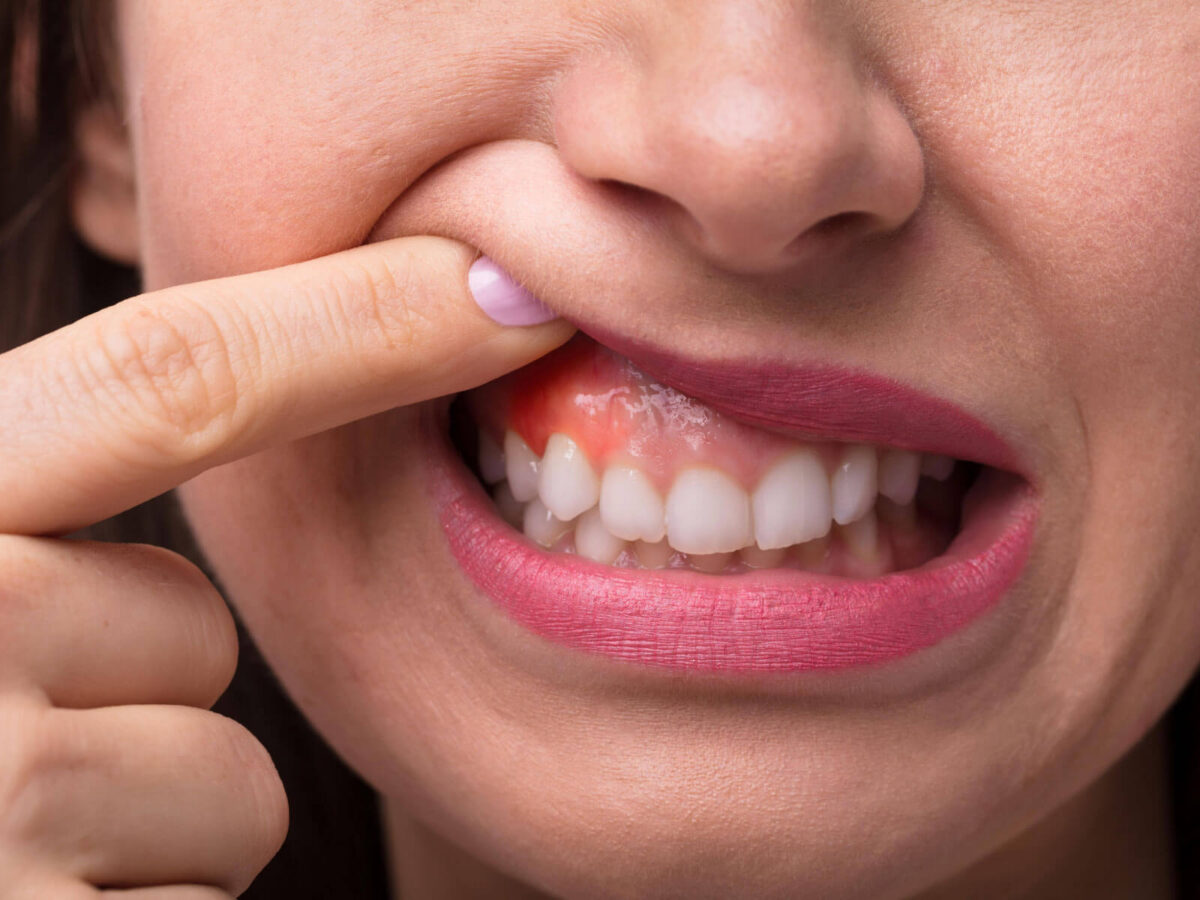
Swollen Gums: Causes, Symptoms, and Treatment Options
Most people notice gum swelling and assume they brushed too hard. Sometimes that’s true. But I’ve spoken to people who ignored puffy, tender gums for months, thinking it would pass on its own, and ended up in a periodontist’s chair dealing with something much harder to reverse. Swollen gums are almost always telling you something. The question is whether you listen early enough.
What Does Gum Swelling Actually Look Like
Most people notice the blood on the toothbrush first. Then they look closer, and the gum tissue around one or two teeth looks a little off. Puffier than it was last week. Darker. Sometimes almost purple in spots near the gum line. It tends to creep in slowly enough that most people assume it’s temporary.
Someone I know dismissed it as brushing too hard for almost a year. Cleveland Clinic flags swollen gums lasting more than two weeks as something worth getting checked, and for good reason. The gum swelling itself often isn’t painful, which is exactly why people leave it so long.
Gum Swelling – What Really Causes It
Gingivitis
Bleeding gums that keep showing up in the same spot aren’t about brushing technique. The plaque sitting on that gum line has been there long enough that the body is actively reacting to it. Mayo Clinic calls gingivitis the leading cause of gum swelling, and most people find out at a cleaning, not because anything hurts.
Infection or abscess
That tooth that’s been quietly bothering you for a few weeks with swollen gums around it is the one worth calling about. Someone I know sat on this for nearly two weeks. By the time she went in, the infection had spread, and the treatment was considerably more involved than it would have been. Pain, a persistent bad taste, and sometimes swelling in the face. Don’t wait on this one.
Hormonal changes
Cleveland Clinic connects hormonal fluctuations directly to gum reactivity. Pregnancy is the most common version of this. The gums become more sensitive to plaque even when nothing about the oral hygiene routine has changed.
Medication side effects
The connection between a prescription and swollen gums doesn’t occur to most people. I’ve come across this pattern repeatedly — the swelling starts, the person assumes it’s their brushing, nothing improves. Blood pressure drugs, immunosuppressants, anti-seizure medications, and some contraceptives all have this documented as a side effect. If a new medication and new swelling arrived around the same time, that’s the first thing worth raising.
Diet and Deficiencies
Vitamin C deficiency shows up in gum tissue before most other signs. Persistent swelling that doesn’t respond to better brushing is sometimes just this. Vitamin B12 is the other one worth knowing about — less talked about, but it turns up in the research on gum inflammation.
Trapped food or irritants
Food wedged under the gum line can cause localized swelling within hours. Ill-fitting dental appliances do the same thing over time. New flossers often see temporary swelling in the first week that settles on its own.
What Are theSigns That Mean Something More Serious
Throbbing pain around one tooth. Pus. A fever that showed up alongside the swelling. Trouble opening your mouth or swallowing. The swelling is moving toward your jaw or face. Any of these alongside swollen gums around a tooth, and I’d call the dentist that day, not book something for next week.
Cleveland Clinic puts the two-week mark as the line for gum swelling that needs professional attention. An abscess, in particular, moves fast once it decides to.
How Is Gum Swelling Treated
Better brushing habits
Brushing harder when gums are swollen is like scratching a rash. The instinct makes sense and the result is always worse. Soft bristles, less pressure, more patience.
Professional cleaning
Cleveland Clinic notes that a professional cleaning usually clears up gingivitis. What comes after the appointment is what determines whether it stays cleared up.
Scaling and root planing
Most people hear “deep cleaning” and assume the worst. Someone I know put it off for six months on that basis alone. Local anesthesia handles it, and the roots get smoothed out so bacteria have less to hold onto. Usually split across two visits.
Antibiotics
Prescribed when an infection is present. Oral antibiotics for systemic infection. Topical antibiotic gels are placed directly into deep pockets around affected teeth. The cleaning still has to happen.
Addressing the underlying cause
Pregnancy-related swelling gets managed through cleaning and hygiene since medication options are limited. Medication-induced swelling starts with a conversation with the prescribing doctor. An abscess needs the tooth treated first, whether that’s a root canal or extraction, before the swelling has any reason to resolve.
Surgical options
When cleaning and antibiotics haven’t been enough, surgery comes into the picture. Osseous surgery reduces pocket depth. LANAP uses a laser to treat diseased tissue with less recovery time.
What Can Be Done at Home While Waiting for an Appointment
Saltwater is the thing that actually helps in the short term. A teaspoon dissolved in warm water is swished around for thirty seconds. It won’t fix anything, but the area feels less angry after. Ibuprofen is worth taking if the pain is real because it brings the swelling down, too, not just the discomfort.
Someone I know had two days to wait for her appointment and said the only thing that got her through it was a cold pack pressed against her cheek. Cold on the outside of the face genuinely helps when the gum swelling is bad. Hard foods, hot drinks, and anything acidic near that side of the mouth just adds to it.
FAQ
Can gum swelling get better on its own?
Depends what’s causing it. A piece of food stuck under the gum, new flossing habits, or something minor. That kind of gum swelling often settles within a week. Gingivitis doesn’t clear up on its own, regardless of how well you brush afterward. Two weeks of persistent swelling is the point where most dentists want to see you.
Is gum swelling always a sign of gum disease?
Gum disease gets blamed first, and sometimes that’s right. But I’ve seen it traced back to a blood pressure medication, a pregnancy, a diet low in vitamin C. The assumption isn’t always wrong. It’s just not always right, either.
Why is only one tooth swollen?
One tooth swelling up on its own is usually pointing at something specific. Food that’s been wedged in there, a crack, an abscess, a filling that’s not sitting right anymore. I’ve spoken to people who watched it for weeks. It didn’t sort itself out.
Can swollen gums affect overall health?
The research on this has gotten harder to ignore. Periodontal disease keeps showing up in studies alongside cardiovascular disease and diabetes. Nobody’s fully sure of the mechanism, but the connection is consistent enough that most dentists take it seriously now.
Conclusion
Swollen gums that come and go are easy to put off. The kind that stays, spreads, or gets worse is a different situation. Most causes are treatable when caught early. Gingivitis is fully reversible. The problem is that most people find that out after it’s already become something else.
Two weeks of swollen gums is the point where most people I’ve spoken to wish they’d gone in sooner. The ones who waited longer almost always had a harder conversation with their dentist than they needed to.