Blog
Dental hygiene tips for healthy teeth & gums
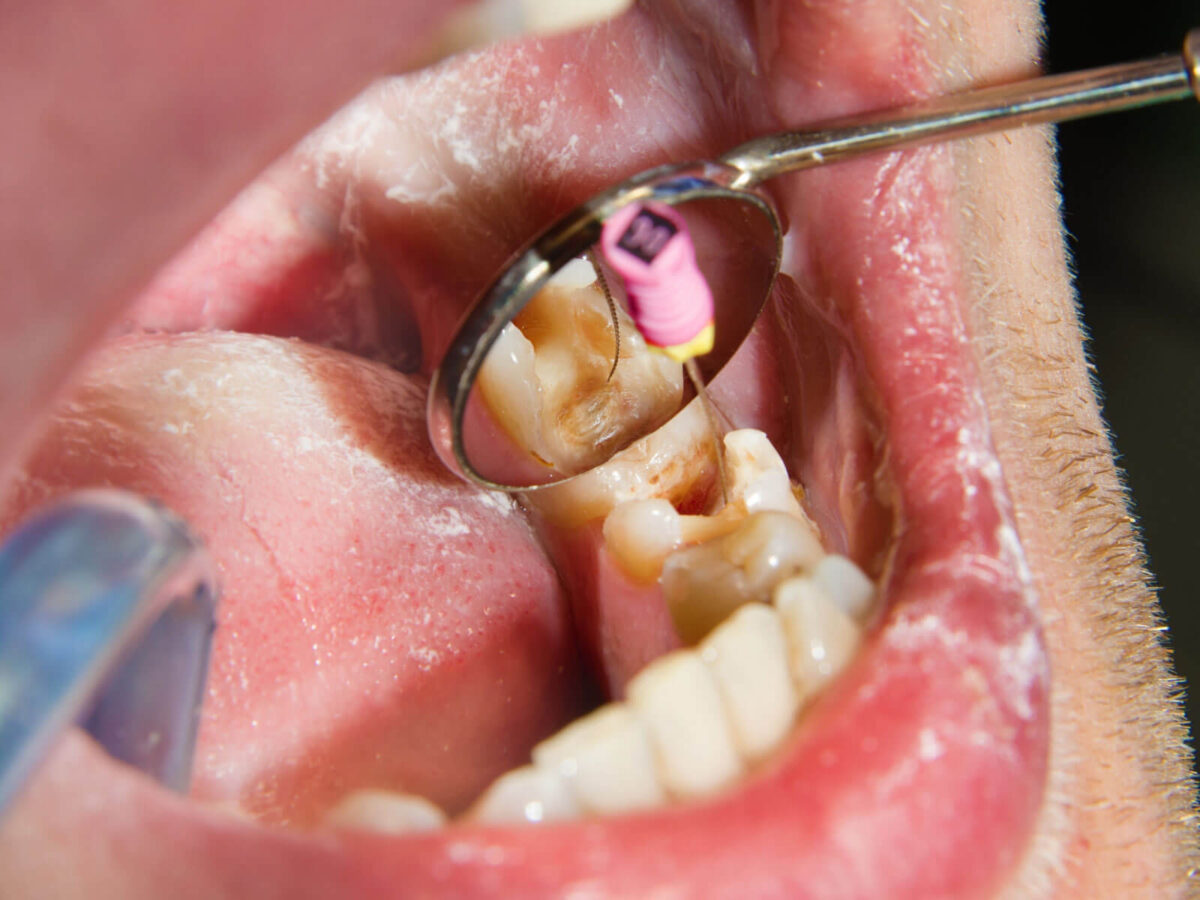
What Is Dental Calculus (Tartar)? Causes & Removal
My hygienist held up the mirror last spring and pointed at a yellowish crust along my lower front teeth. I’d flossed the night before. Didn’t matter one bit. That crust wasn’t budging for floss, and once she explained why, I went home and read everything I could find on it.
What is calculus on teeth, in plain terms? Hardened plaque. Mineralized into something a toothbrush can’t touch anymore. Twice a day, every day, my whole life, and I still ended up with a strip of it sitting along my gumline.
More common than I’d assumed, it turns out. Plaque sits long enough, and it calcifies. Past that point, you need a dental instrument, because no toothbrush is getting through it.
TL;DR
- Calculus, or tartar, is plaque that’s hardened onto the tooth through mineral buildup from saliva.
- Plaque is soft and removable with brushing. Tartar isn’t, once it’s set.
- The inside of your lower front teeth is where it usually shows up first, thanks to a salivary gland sitting directly behind them.
- A couple of rushed nights is all the plaque needs to begin hardening in place.
- Getting it off means a dental appointment. Hand scalers or an ultrasonic tip – nothing you can buy for home use.
- Prevention is just a matter of clearing plaque away before it has time to calcify.
What Is Calculus on Teeth, Exactly
Calculus is the clinical term for it. Tartar is what everyone says out loud. Same substance either way, and it’s plaque that has mineralized into a crust your toothbrush can no longer shift.
Cleveland Clinic describes it as mostly dead bacteria that have mineralized. A small amount of mineralized protein from saliva is in there too. All of it mixes and hardens together and ends up forming calcium phosphate and calcium carbonate, which are roughly the same family of compounds as limescale in a kettle.
Colour depends on how long it has been sitting there. Mine was pale yellow, which apparently meant it hadn’t been around long. Older deposits go brown and occasionally nearly black.
Plaque vs Calculus: What’s Actually Different
Plaque vs calculus trips people up constantly, and it tripped me up too until I read into it properly.
Plaque is a bacterial film. It rebuilds on your enamel every few hours, feeding on whatever sugar and starch passes through, and by evening there’s enough of it to feel.
Brush and floss it away, and it’s gone. That’s the whole point of daily hygiene. Any plaque that survives the night starts pulling calcium out of your saliva, and that’s the moment it stops being something you can handle at home.
Run your tongue along the back of your lower incisors tonight. Anything fuzzy or slippery is plaque and comes off with a brush. Anything that feels like a ledge of grit has already turned.
How Long Does It Actually Take Plaque to Harden
Faster than I expected. Plaque can begin mineralizing into tartar within 24 to 72 hours of being left in place, and where you fall in that window depends largely on your own saliva chemistry.
That isn’t a week of neglect. It’s two rushed nights in a row, which most people have managed at some point without giving it much thought.
Waiting longer doesn’t hand your toothbrush a second chance either. It gives the deposit more time to thicken and spread along the gumline.
Why Does Tartar Build Up in the First Place
Missed spots explain most of it. The inside of your lower front teeth and the outer surface behind your upper molars are the two classic sites, both of them sitting directly opposite a salivary gland opening.
Saliva delivers minerals constantly, which is good news for your enamel most of the time. In those two spots, it also means any plaque hanging around gets a steady supply of the calcium it needs to harden.
Dry mouth speeds the whole process up, and so does a diet heavy in sugar and starch. My own dentist pointed out that a medication I take reduces saliva flow, a connection I had never once made before that appointment.
What Are the Signs You Have Tartar Buildup
A hard, crust-like coating along the gumline is the giveaway. Mine felt like a small ridge my tongue kept finding on its own, almost out of habit, weeks before anyone pointed it out to me.
Staining usually travels with it, yellow at first and browner the longer it sits. Bad breath that survives brushing is another common one, and Cleveland Clinic lists gum inflammation among the signs because tartar irritates whatever tissue it rests against.
Bleeding gums need to be flagged at your next appointment. Plenty of things cause it besides tartar, but healthy gums don’t bleed.
Noticed a Rough Patch Along Your Gumline?
Get it checked and cleaned before it does more damage.
Why Tartar Below the Gumline Is a Bigger Problem
Above the gum, tartar buildup is mostly a cosmetic issue with some mild irritation attached. Subgingival calculus, the kind that forms below the gumline, presses directly against tissue that’s already vulnerable.
It opens small pockets between tooth and gum where bacteria collect completely out of a toothbrush’s reach. Left there long enough, those pockets deepen, and that’s the road to periodontal disease.
My hygienist went looking for it with a small probe, checking the depth around each tooth. Nothing this time. She did tell me it’s the thing she’ll be watching most closely at every visit from now on.
How Does Tartar Removal Actually Work
Tartar removal isn’t a DIY job, whatever the sharp little tools on the internet suggest. It takes a dentist or hygienist working with hand scalers, or an ultrasonic device that vibrates the deposit loose while flushing the area with water.
Mine took about ten minutes for the visible strip along my lower teeth. A scraping sound, a bit of pressure, no pain worth reporting. Mildly annoying, if I’m being straight about it.
Anything below the gumline is a separate appointment. That’s scaling and root planing, usually split across more than one visit, because the deposits are harder to reach and the gum around them is often inflamed by the time anyone finds them.
What Tartar Buildup Prevention Actually Looks Like
Tartar buildup prevention is all about clearing plaque off before it has a chance to harden. The basics are two minutes of brushing twice a day and flossing once. It does most of the work on its own.
I switched to a tartar-control toothpaste after that appointment, more out of stubbornness than any strong evidence. Whether it has made a measurable difference, I couldn’t tell you. My hygienist didn’t object to it.
Cleanings matter more than anything you can buy. Six months apart suits most people. If you build up quickly, which apparently now includes me, three or four is closer to the mark.
Can You Remove Tartar at Home
Once it has calcified, you can’t. I tried briefly with a metal pick I probably shouldn’t have ordered online, and all I achieved was an irritated gum and a bit of embarrassment.
Plaque is something that you can manage perfectly well yourself. What makes tartar different is that it has fused onto the enamel. So anything strong enough to lift it off is also strong enough to take a chunk of tooth or gum with it.
Weeks of searching for a workaround got me nowhere. The dental chair is where this particular problem gets solved.
FAQ
Can tartar cause tooth decay on its own?
Not directly. It does create a rough surface that collects far more plaque than smooth enamel would, and that’s what raises your decay risk.
Does everyone get tartar eventually?
Most people build up some without regular cleanings. How fast varies a lot depending on saliva composition, diet, and how thorough your brushing is.
Is tartar removal painful?
Mostly it’s just noise and pressure. Sensitive gums or a heavy deposit can make a few minutes of it uncomfortable.
When should I book a cleaning to stay ahead of tartar?
Twice a year covers most people. If you’re someone who builds up quickly, three or four months apart is closer to what you need.
Conclusion
Once I understood “what is calculus on teeth” and why my toothbrush was never going to win against it, that appointment made a good deal more sense. Nothing about it was a hygiene failure on my part. Saliva chemistry and a few missed nights did the rest.
Brush properly, get cleaned twice a year, and pay attention if your dentist keeps flagging the same spot. That last part is the one I’d underestimated.
Notice Buildup You Can’t Brush Away?
Book a cleaning and get it handled properly.