Blog
Dental hygiene tips for healthy teeth & gums
Does Everyone Have Wisdom Teeth? Why Some People Don’t
By the late teens, wisdom teeth conversations start showing up everywhere. Friends begin talking about extractions. Somebody disappears for a week with swollen cheeks and pain medication. Dentists begin mentioning impacted molars during routine X-rays. Eventually, most people assume wisdom teeth simply happen to everybody automatically. Then somebody casually says they never had any at all. That usually confuses people more than it should.
Questions around “does everyone have wisdom teeth” come up pretty often during dental exams because third molars behave differently from almost every other tooth in the mouth. Some erupt normally. Some stay trapped under the gums forever. Some never even develop in the jaw to begin with. That last part surprises people the most.
Searches for “does everyone get wisdom teeth” keep increasing, partly because more adults are discovering during X-rays that they are simply missing one or more wisdom teeth entirely.
The National Institute of Dental and Craniofacial Research states that wisdom teeth are the last permanent teeth to erupt, usually starting from 17 to 25 years old.
Not Everybody Actually Develops Wisdom Teeth
The short answer is no. Not everybody develops wisdom teeth at all. Some people grow all four normally. Others develop only one or two. Certain people never form wisdom teeth anywhere in the jaw. Dentists usually discover this during panoramic X-rays fairly casually.
The discussion around “does everyone have wisdom teeth” becomes interesting once people realize missing wisdom teeth are not especially rare anymore. Especially in certain populations.
What Are Wisdom Teeth
Wisdom teeth are technically third molars. They sit at the very back of the mouth behind the second molars. Humans originally evolved with larger jaws and tougher diets requiring extra chewing surfaces further back.
That evolutionary explanation comes up constantly during conversations about “does everyone grow wisdom teeth” today, because modern jaws tend to stay smaller overall. The teeth themselves did not disappear completely, though. Not yet anyway.
What Causes Missing Wisdom Teeth
Genetics controls a huge part of this. Certain people simply inherit the tendency to develop fewer wisdom teeth or none at all. Dentists sometimes notice patterns running through entire families, too. Parents missing wisdom teeth occasionally have children missing them as well.
The question of “why do some people not have wisdom teeth” often comes down to inherited developmental changes more than anything dramatic. The teeth never form under the gums to begin with. Nothing is “wrong” exactly.
According to research published through the National Institutes of Health, third molar agenesis, meaning missing wisdom teeth, appears increasingly common in certain populations worldwide.
Missing Wisdom Teeth Usually Feel Like Good News
Most people react positively once dentists say no wisdom teeth are present. Relief usually arrives immediately. No extraction surgery. No impacted molars. No swollen recovery period during college or early adulthood.
The reaction to does everyone get wisdom teeth changes pretty quickly once people understand that missing wisdom teeth often reduces future dental complications instead of creating them. Nobody complains about skipping oral surgery, honestly.
Some Wisdom Teeth Stay Hidden Forever
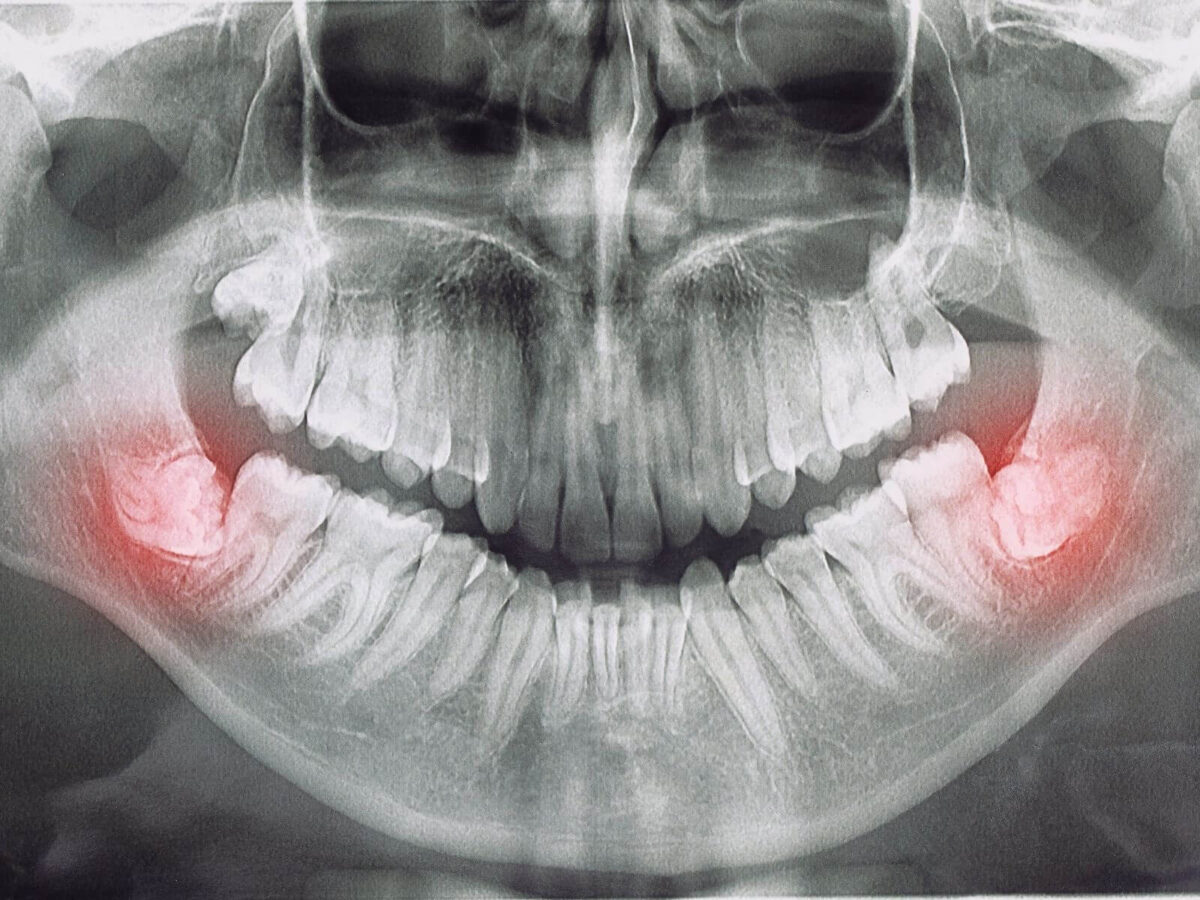
Certain wisdom teeth exist fully inside the jawbone and never erupt. People sometimes assume they do not have wisdom teeth because nothing appears visibly in the mouth. Then a panoramic X-ray suddenly shows impacted molars sitting sideways underneath the gums. That discovery catches people off guard constantly.
The discussion around “does everyone have wisdom teeth” becomes more complicated there because technically the teeth exist, even though they never erupted normally.
Why Does Jaw Size Affect Wisdom Teeth
Modern jaws tend to stay smaller compared to older human populations. Anthropologists discuss this fairly often, actually. Softer diets over generations reduced heavy chewing demands somewhat. The jaw structure adapted gradually over time. A lot of wisdom teeth still try to erupt even when the mouth no longer has enough room for them. That mismatch creates crowding and impaction problems constantly now.
The relationship between jaw size and wisdom teeth comes up during oral surgery discussions pretty frequently. Especially for crowded lower molars.
Some People Have Only One Or Two Wisdom Teeth
The number varies more than people expect. Four wisdom teeth are considered standard anatomically, though partial development happens regularly, too. Some patients have only upper wisdom teeth. Others develop just one lower molar.
Dentists see all kinds of combinations, honestly. That unpredictability makes the question “Does everyone get wisdom teeth?” harder to answer neatly than people expect initially.
When Do Wisdom Teeth Not Need Removal
This surprises people sometimes, too. Not all wisdom teeth become problematic. Certain third molars erupt normally, stay clean, and function without major issues for years. In those situations, dentists generally follow them like any other regular tooth.
Dentists have become more selective about wisdom tooth removal recommendations over the years, so automatic surgery is not suggested as often anymore. Still, impacted wisdom teeth remain extremely common and continue creating problems for many patients later on.
The American Association of Oral and Maxillofacial Surgeons states that impacted wisdom teeth may cause infections in some patients. Cysts and nearby gum problems can happen as well.
X-Rays Usually Reveal The Situation Clearly
Most people discover their wisdom tooth situation through panoramic X-rays. The image shows everything at once. Erupted molars. Hidden impacted teeth. Missing wisdom teeth entirely. Dentists can usually predict eruption patterns fairly early from those scans, too.
The answer to “Does everyone have wisdom teeth?” often becomes obvious within seconds once the panoramic image appears on the screen. Patients stare at it longer than dentists usually do.
Why Are Wisdom Teeth Often Linked To Evolution
Wisdom teeth create surprisingly interesting evolutionary conversations during dental appointments sometimes. People ask why humans still have them if so many become impacted or unnecessary now. Dentists usually mention older diets requiring stronger chewing and larger jaws historically. The body changes slowly across generations, though. Faster than most people realize, maybe.
The question “why do some people not have wisdom teeth” ties directly into those broader developmental shifts happening gradually across populations.
Why Do Impacted Wisdom Teeth Feel Different
People regularly confuse impacted wisdom teeth with teeth that never formed at all. Missing wisdom teeth means that the third molars simply do not exist. The term “impacted” means the teeth never fully come through. They remain under the gums or bone. They can still create infections or crowding later on.
Especially during discussions around “does everyone grow wisdom teeth,” because X-rays become the only reliable way to confirm what is actually happening underneath.
Some Dentists Monitor Wisdom Teeth For Years
Not every wisdom tooth decision happens immediately. Dentists often monitor younger patients through multiple years of X-rays before deciding whether removal makes sense. Eruption angles change over time sometimes. Symptoms change too.
A quiet wisdom tooth at age seventeen may become problematic later during the twenties. That slow monitoring process feels normal in dentistry, honestly.
FAQs
Does everyone have wisdom teeth eventually?
No. Some people never develop them at all.
Does everyone get four wisdom teeth?
Not always. Some people develop fewer.
Why do some people not have wisdom teeth?
Usually, genetics and evolutionary changes in jaw development.
Can wisdom teeth stay hidden forever?
Yes. Impacted teeth sometimes remain buried under the gums for life.
Does everyone grow wisdom teeth that need removal?
Definitely not. Some wisdom teeth erupt and function normally.
Conclusion
The question “Does everyone have wisdom teeth?” sounds simple initially, though the answer turns out more varied once dentists start looking at X-rays regularly.
Some people develop all four wisdom teeth normally. Others grow only one or two. Certain people never develop them at all because the tooth buds simply never form genetically. Modern jaw size changes probably play a role in that shift, too.
If you are unsure about “does everyone get wisdom teeth” or “why do some people not have wisdom teeth”, having the area checked with X-rays can make things much clearer.