Blog
Dental hygiene tips for healthy teeth & gums
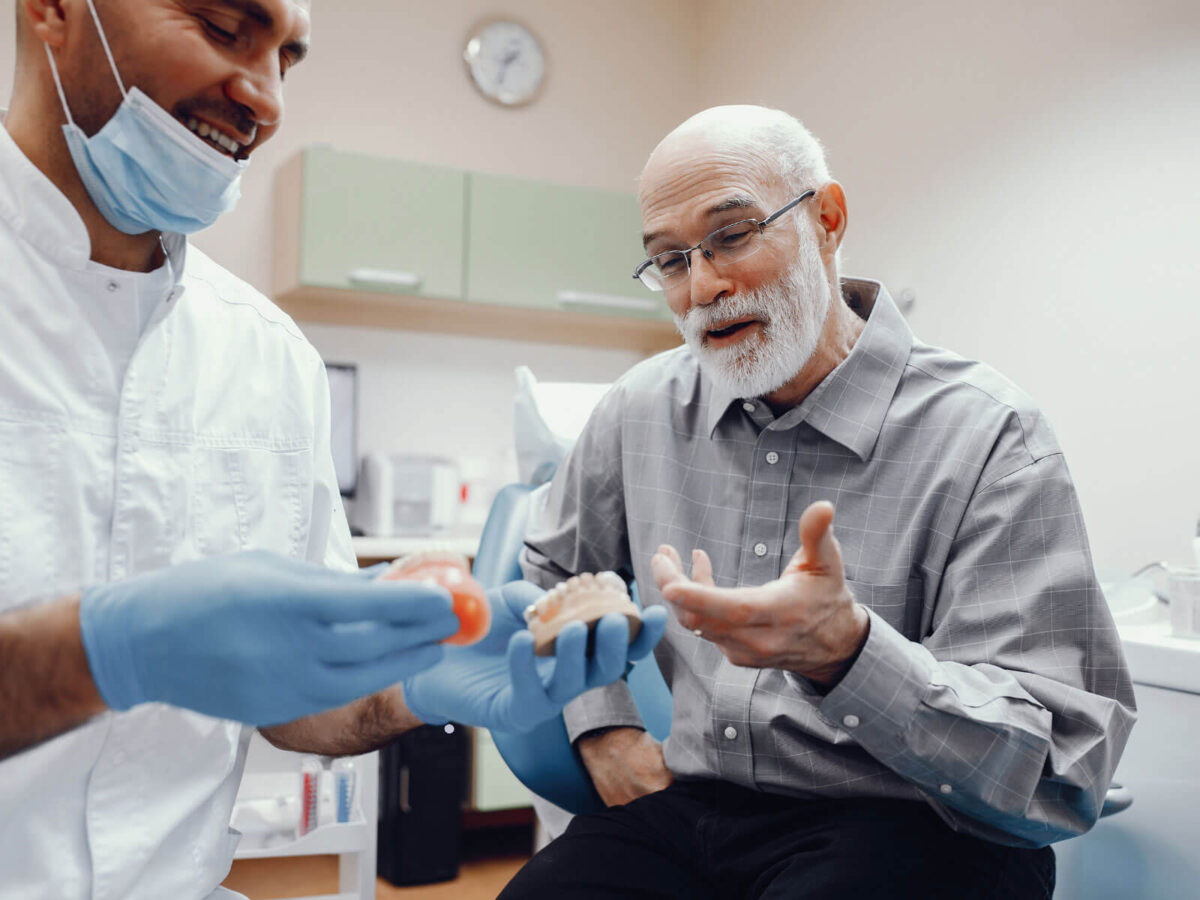
How to Know If You Need Dentures
People rarely decide on dentures overnight. It’s usually a gradual shift. A filling breaks and gets replaced. A cracked tooth holds on for a while. Something feels slightly loose, but not urgent enough to act on immediately. You adjust without thinking too much about it. Maybe you chew more on one side. Maybe certain foods quietly disappear from your plate.
Over time, those small adjustments start becoming big. What once felt small begins to affect daily comfort. Eating takes more effort. Speaking feels different. Smiling feels less natural.
That’s often when the question surfaces — are these simply temporary dental setbacks, or could they be signs you may need dentures? The answer doesn’t hinge on age. It isn’t tied to a number. It comes down to function. When teeth no longer support normal eating, speech, or comfort, it’s reasonable to start considering broader solutions.
Signs To Lookout For
The early signs you may need dentures often blend into daily life. You may lose one tooth and adjust easily. Losing two feels inconvenient but is still manageable. But when the number increases, chewing begins to feel uneven. Food gets stuck more often. You may find yourself choosing softer meals without thinking about why.
Tooth loss remains more common than many people assume.
National health surveys show that complete tooth loss still affects millions of adults in the United States. It’s seen more frequently in those over the age of 65, although the overall numbers have gradually declined over the past few decades as preventive care has improved. [Source]
When missing teeth begin affecting daily routines, that’s more than cosmetic. It’s functional.
Why Do Loose Teeth Matter More Than People Realize?
Teeth should feel steady. If you notice movement when biting down, that usually points to bone loss underneath. Bone doesn’t disappear overnight. It recedes gradually, often because of untreated gum disease.
Once people reach their thirties, nearly 42 per cent are affected by periodontal disease in some form. In most cases, it develops quietly rather than all at once. Often it’s mild at first. With age, though, more advanced damage becomes increasingly common. [Source]
When multiple teeth feel unstable, dentists start considering larger solutions. Looseness that doesn’t improve over time deserves evaluation. While minor mobility can sometimes be managed with periodontal care, continued instability may indicate deeper structural loss. In those situations, it can represent one of the clearer signs you may need dentures instead of a fixable adjustment.
How Does Difficulty Chewing Signal A Bigger Issue?
Meals are routine, almost effortless. So when eating becomes uncomfortable, it’s hard to ignore.
If you hesitate before biting into firm foods or automatically avoid crunchy or chewy items, your mouth may not be functioning evenly. You may not even call it pain. It might just feel unreliable.
Studies within geriatric dentistry suggest that tooth loss does more than alter appearance. It can reduce chewing efficiency, which may lead individuals to avoid certain foods. As those adjustments accumulate, nutritional balance can be affected. [Source]
As chewing shifts from effortless to something that requires planning, it changes how daily life feels. Certain foods become inconvenient. Confidence during meals drops slightly. In that space, questions like “when should you get dentures?” come to mind.
When Facial Changes Are Linked To Tooth Loss
Teeth do more for the face than most people realise. They hold the lower half of the face in place. When several are missing, that support changes. It might not be obvious right away, but over time, the lower face can look shorter. The lips don’t sit the same way. The jawline softens a little.
There’s no dramatic moment when the bone changes. It gradually reduces after teeth are gone, simply because it’s no longer being used in the same way. Since it happens slowly, the connection isn’t always obvious at first.
Dentures can help restore that outer support. They don’t stop the bone from changing entirely, but they do fill space and bring back some of the balance that was lost.
Why Do Repeated Dental Emergencies Point Toward Dentures?
There is a pattern some patients notice. One extraction leads to another. A crown fails. A filling cracks. The repairs feel endless.
At some stage, restoring individual teeth may not offer long-term stability. In cases of widespread decay or severe gum disease, replacing teeth as a group can sometimes provide more predictable comfort.
When researchers review why adults lose teeth, advanced periodontal disease shows up again and again as a leading factor worldwide. It rarely begins as something severe. But as inflammation moves deeper and affects bone, long-term stability becomes harder to maintain. [Source]
Some appointments start to feel like another repair each time. That pattern can signal something more structural going on.
How Do Speech And Confidence Factor Into The Decision?
Teeth influence speech more than most people realize. Sounds like “s,” “f,” and “v” depend on tooth placement. Missing front teeth, in particular, can subtly alter pronunciation.
There’s more involved than chewing or speaking. Self-awareness creeps in. Smiles become careful, and conversations feel different. Social plans may be declined. It isn’t the event itself. It’s how you feel while you’re there.
Quality-of-life studies suggest that missing teeth don’t just affect chewing. They can also influence confidence in conversation and social interaction. Appropriate replacement tends to restore more than function; it often supports emotional stability and everyday comfort as well. [Source]
Dentures aren’t only about restoring function. They can restore ease.
When Should You Get Dentures Instead Of Other Options?
The idea of dentures usually comes up after a pattern has formed. Teeth may have been repaired several times. A few may already be missing. Stability starts to feel uncertain. The discussion tends to widen at that stage. It’s less about a single tooth and more about whether the remaining structure can sustain daily use without repeated breakdown.
In some cases, a partial denture saves enough structure to make chewing comfortable again. In others, the remaining teeth may not give enough support, making full dentures a more stable solution. The decision develops gradually, based on function and long-term outlook rather than urgency. When different concerns begin appearing at once, it often suggests that the underlying support system has changed. A broader evaluation tends to provide more clarity than a series of emergency repairs.
Conclusion
The signs you may need dentures rarely show up all at once. More often, they develop gradually. A tooth feels less stable than before. Infections return despite treatment. Eating starts to feel uneven. Tougher foods slowly disappear from your routine without much thought. At some point, you may also become more aware of your mouth during conversations or notice small changes in facial support.
The question of when you should get dentures doesn’t usually follow a single incident. More often, it develops from a pattern that doesn’t seem to improve over time. When repairs stop lasting and overall stability changes, the focus shifts from saving individual teeth to restoring function in a more predictable way. Dentures aren’t a sign of failure. They’re a response to structural change.
Not knowing where you stand is common. A consultation can help define the next steps. Checking bone levels and gum condition helps you understand what options remain. Having that conversation before discomfort becomes urgent usually allows for more measured planning.