Blog
Dental hygiene tips for healthy teeth & gums
Dental Sealants for Kids: A Complete Parent’s Guide to Prevention
When a child’s new molars come in, dental sealants for kids often get mentioned soon after. It is not random. Back teeth have deep lines and small pits that trap food. Kids try to brush, but those areas are easy to miss. Even adults struggle with them sometimes. A thin layer added to the chewing surface helps close off those spots. It does not feel bulky or strange. It sits there without much notice. The point is to stop cavities before they show up and keep later visits simpler.
So, What Are Dental Sealants For Kids, Really
A sealant is a thin layer brushed over the chewing surface of molars. It fills in the small grooves, then hardens and leaves the tooth smoother to clean. Once it sets, food and bacteria have fewer places to cling to. That alone makes cleaning more effective. The sealant remains on the outside of the tooth only. Nothing is drilled away in the process. No numbing or shots either. For many parents learning about “what are dental sealants” for kids, the change sounds minor, but the protection they add over time is noticeable.
When Dentists Usually Recommend A Dental Sealant For Kids
Sealants are often suggested soon after a permanent molar erupts. The first adult molars usually come in around six years of age. The next set arrives near twelve. Placing a sealant early, while the tooth is new, blocks the most vulnerable window. Children who snack often or who find brushing tricky are common candidates. The dentist looks at each tooth and chooses where the coating will actually help.
Is It Safe For Children
Safety is the top question. The materials used for sealants are dental resins tested for years. Only a tiny amount of material touches the tooth surface. The resin is cured quickly with a special light. There is no cutting and no pain. Sealants are used because they lower the chance of cavities and tend to be of low risk. Questions like Is dental sealant safe for kids usually come up here. All medical concerns are checked before proceeding.
The Benefits Of Dental Sealants For Kids
What usually matters most is fewer cavities on the chewing surfaces. That usually leads to fewer fillings and less stress later on. With dental sealants for kids, the back teeth are smoother. Brushing tends to do more of the work, even on rushed days. This helps kids who snack a lot or skip flossing. The sealant adds a quiet layer of protection that supports the enamel over time. Over the teen years, that added layer can keep things simpler. Bigger treatments are usually avoided. That’s part of the benefits of dental sealants for kids.
How Long Does A Dental Sealant For Kids Usually Last
Sealants slowly wear with time. That’s normal. Some last longer than others, usually several years. A lot depends on habits. Grinding teeth adds pressure. Chewing hard foods does too. Signs of wear are usually spotted at routine visits. Not from pain. Just from a closer look. At times, a sealant has already worn down or loosened. That happens. The tooth itself is usually fine when it does. Dentists often catch it during a regular visit before it causes any trouble. Small chips or thin areas are easy to fix. With dental sealants for kids, replacing the sealant is a common step and doesn’t usually turn into a longer or more complicated process.
What Happens During A Sealant Visit
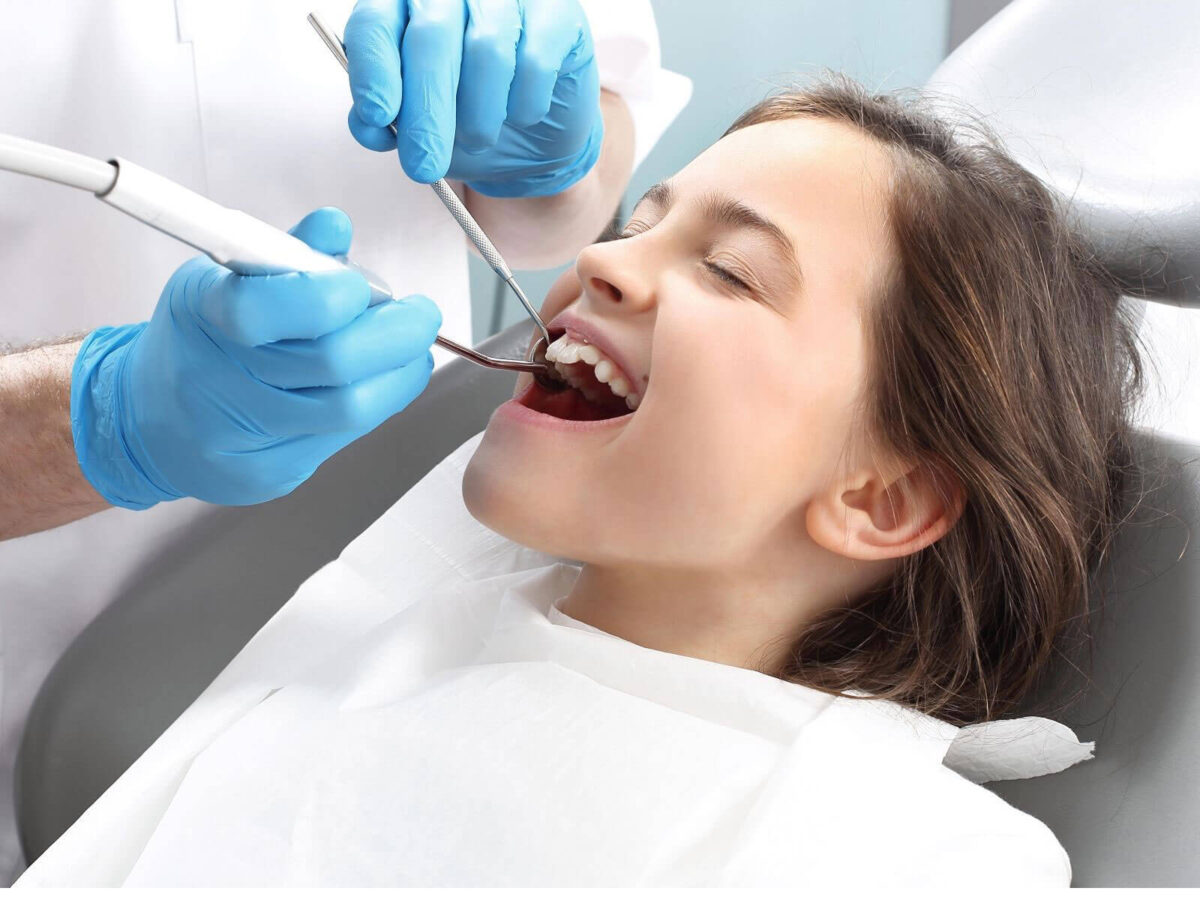
A sealant visit usually feels much simpler than people expect going in. The appointment is quick, but nothing feels rushed. The dentist cleans the tooth first, just like during a normal visit. Then they dry it so everything is ready. Sometimes a mild prep step is used so the coating stays put. The sealant is put on and settles into the grooves by itself. A small light hardens it, and that part is usually done in seconds. The dentist checks how the teeth come together and smooths anything that feels slightly off. With dental sealant for kids, there is no drilling and no numbing. Most children stay relaxed the entire time and are surprised when it’s already finished. They usually go straight back to their day without any fuss.
Which Kids Benefit Most From Sealants
Some kids need the extra help more than others. Frequent snacking plays a role. So does brushing that isn’t quite thorough yet. A history of cavities usually points in the same direction. Braces and special care needs can also make home care harder to manage. With dental sealants for kids, timing matters more than it sounds. Getting the sealant on shortly after the tooth comes in helps during the years when cavities are most common and little issues tend to sneak up.
Cost, Insurance, And Access Basics
Sealants are usually lower in cost than cavity treatment. Many dental plans cover sealants for children, at least on the first permanent molars. Public health programs often include them as preventive care. When insurance does not cover the full price, what remains to be paid is often far less than a filling. Asking for a clear estimate before the visit keeps things simple.
How To Watch For Sealant Wear At Home
A parent may notice a chip, or a child might mention a rough spot while chewing. Sometimes the bite just feels off. These things are often picked up again during regular visits, when the dentist checks each sealant. If wear is found, it can be reapplied. With dental sealants for kids, catching wear early helps keep protection steady and lowers the chance of cavities starting.
When Sealants Are Not The Right Step
Sealants don’t apply in every case. Cavities need to be treated before a coating can help. Very shallow grooves may not need protection at all. Rare medical or allergy concerns can also change the plan. The dental team describes these exceptions and focuses on what makes the most sense for each child.
Useful Tips To Support Sealants At Home
It comes back to everyday routines. Brushing twice a day helps. Cleaning between teeth matters too. Sticky snacks can cause trouble, so water after meals helps clear things out. Regular dental visits, kept calm and familiar, give the dentist time to check sealants and notice wear early. With dental sealants for kids, those small habits tend to add up quietly over time.
What To Ask At The Dental Visit
It helps to ask a few simple questions during the visit. You can ask whether the new molars look like good candidates and which teeth the dentist actually recommends, along with the reason behind that choice. It’s also fair to ask what the cost covers and whether insurance is expected to help. Asking how sealants are checked at follow-up visits gives a clearer picture of what happens later. When questions are clear, the answers usually are too, and planning feels less stressful.
Final Thought And Gentle Next Step
The benefits of dental sealants for kids aren’t always dramatic, but they add up. Fewer cavities. Fewer repairs later on. Cleaning tends to be easier, too. That’s usually when parents ask Is dental sealant safe for kids. For most children, the answer is yes. Any remaining questions can usually be handled with a short talk at the dental office. One small step taken early can help avoid extra appointments and keep things simpler as the child gets older.